


A memorable steak dinner begins long before the first bite. The cut, marbling, thickness, cooking method, seasoning, sauce, and side dishes all influence the final experience. Understanding how these elements work together makes it easier to order confidently at a restaurant or prepare an impressive meal at home.
You do not need professional culinary training to make a smart choice. A few practical principles can help you select the right cut, request the ideal doneness, and build a balanced plate without allowing one flavor to overpower another.
- Start With the Right Cut
- Choose Ribeye for Rich Flavor
- Pick Filet Mignon for Tenderness
- Select New York Strip for Balance
- Consider Sirloin for a Leaner Meal
- Understand Steak Doneness
- Give the Steak Time to Rest
- Use Seasoning With Purpose
- Match the Sauce to the Steak
- Build a Balanced Plate
- Pay Attention to the Cooking Surface
- Slice Against the Grain
- Make the Entire Experience Count
- Conclusion
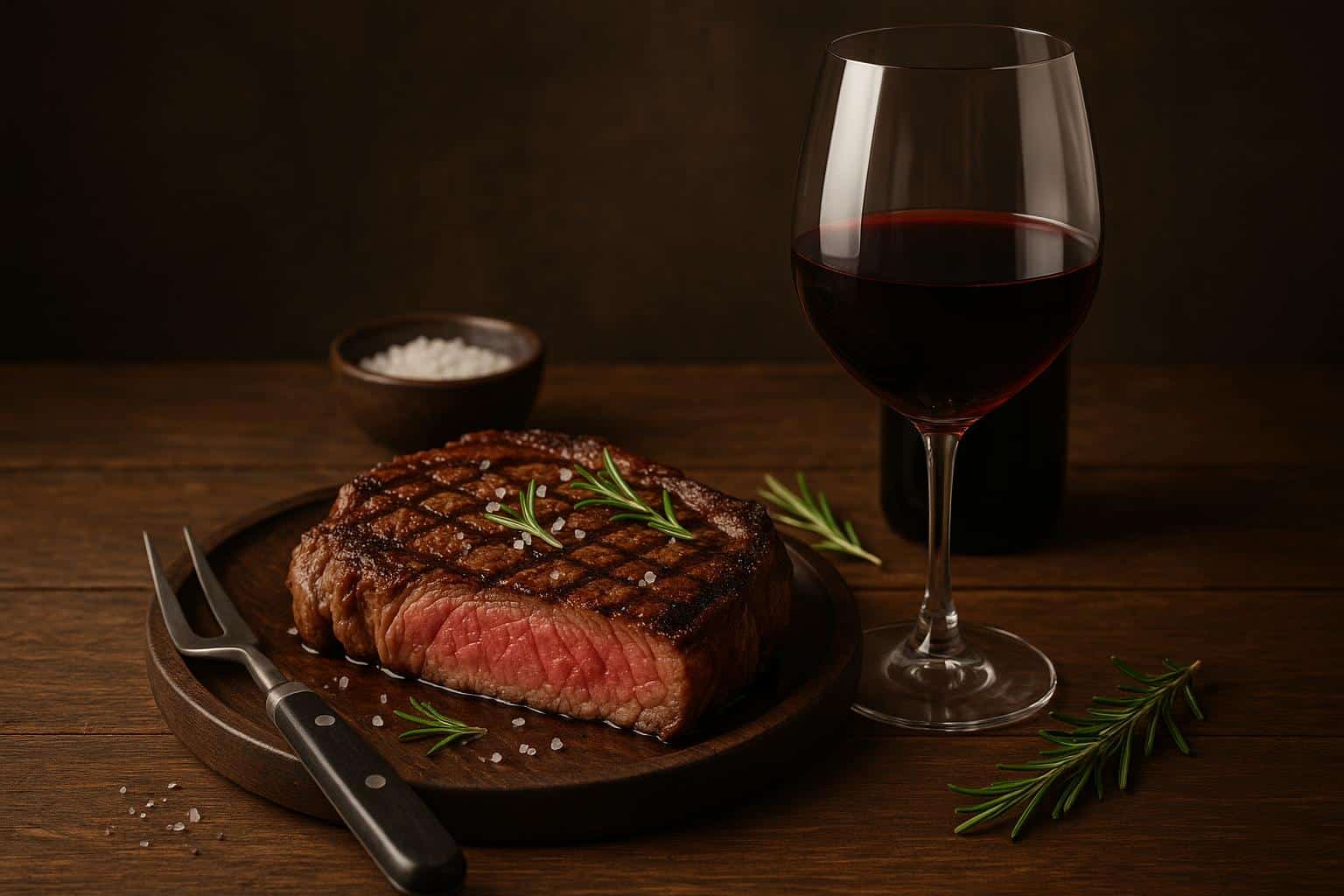
Start With the Right Cut
Every steak cut offers a different combination of tenderness, texture, and flavor. Guests looking at a steakhouse in St. Louis menu may find several appealing options, but the best choice depends on personal preference.
Some people enjoy a rich, juicy steak with generous marbling, while others prefer a leaner cut with a softer texture. Learning the basic characteristics of popular cuts helps remove the guesswork and makes ordering much easier.
Choose Ribeye for Rich Flavor
Ribeye is known for its abundant marbling. These thin lines of fat melt during cooking, keeping the meat juicy and creating a deep, beefy flavor. It is an excellent choice for diners who value richness and tenderness.
Because ribeye already has plenty of natural flavor, it usually needs only simple seasoning. Salt, cracked black pepper, and a well-seared crust are often enough. Heavy sauces may hide the qualities that make this cut special, so lighter toppings or roasted vegetables are usually a better match.
Pick Filet Mignon for Tenderness
Filet mignon is one of the most tender steak cuts. It contains less fat than ribeye, giving it a delicate taste and a soft, buttery texture. This makes it suitable for people who want tenderness without an overly rich meal.
Since the flavor is mild, filet mignon works especially well with mushrooms, herbs, garlic butter, or a smooth peppercorn sauce. Careful cooking is important because the low fat content means the meat can dry out when left over high heat for too long.
Select New York Strip for Balance
The New York strip sits between ribeye and filet mignon in both texture and richness. It has enough marbling to remain flavorful but also offers a firmer bite. Many diners choose it because it provides a balanced steakhouse experience.
This cut responds well to high-heat cooking, which creates a deeply browned exterior while protecting the juicy center. Its bold character can handle garlic, black pepper, herb butter, and savory sauces without losing its natural beef flavor.
Consider Sirloin for a Leaner Meal
Sirloin is generally leaner and more affordable than premium cuts. Although it may not be as tender as filet mignon or as rich as ribeye, careful preparation can produce an enjoyable and satisfying steak.
Marinating sirloin can improve both tenderness and flavor. Cutting it across the grain after a short resting period also makes each bite easier to chew. Sirloin is a practical option for steak salads, sandwiches, rice dishes, and everyday dinners.
Understand Steak Doneness
Doneness has a major effect on juiciness, texture, and flavor. Rare steak has a cool red center and a very soft texture. Medium-rare has a warm red center and is often preferred because it balances tenderness with a nicely seared exterior.
Medium steak has a warm pink center and a firmer bite. Medium-well contains only a small amount of pink, while well-done steak is cooked completely through. Lean cuts can become dry at higher temperatures, whereas well-marbled cuts usually retain more moisture.
When cooking at home, a meat thermometer gives more reliable results than judging by color alone. Remove the steak shortly before it reaches the desired internal temperature because it will continue cooking as it rests.
Give the Steak Time to Rest
Resting is one of the simplest ways to improve a steak. Cutting into the meat immediately after cooking allows its juices to escape onto the plate. Letting it rest for several minutes gives those juices time to settle throughout the meat.
A thinner steak may need around five minutes, while a thick cut may benefit from a longer rest. Keep it loosely covered so it stays warm without trapping too much steam, which can soften the crust.
Use Seasoning With Purpose
Good seasoning should strengthen the steak’s natural taste rather than cover it. Salt is essential because it enhances flavor and helps form an attractive crust. Black pepper adds gentle heat, while garlic and fresh herbs bring aroma.
Apply dry seasoning evenly to both sides. If salting well in advance, place the steak uncovered in the refrigerator so the surface can dry slightly. A drier exterior browns more effectively when it reaches a hot pan or grill.
Strong spice blends can work well, but they should suit the cut. A rich ribeye can support smoky and peppery seasoning, while a delicate filet often benefits from a simpler approach.
Match the Sauce to the Steak
The sauce can change the character of the entire meal. Creamy peppercorn sauce adds richness and spice, while mushroom sauce contributes earthy depth. Herb butter melts over the hot surface and provides flavor without making the plate feel overly complicated.
A sharp mustard-based sauce can balance a fatty cut. Sweeter glazes work best in small amounts because too much sweetness can dominate the meat. If the steak has excellent marbling and a well-developed crust, serving the sauce on the side allows diners to control each bite.
Build a Balanced Plate
Side dishes should complement the steak instead of competing with it. Mashed potatoes, baked potatoes, or creamy spinach create a comforting and filling meal. Roasted carrots, asparagus, green beans, and mixed vegetables add color and freshness.
A crisp salad can lighten a rich plate, while grilled mushrooms and onions reinforce savory flavors. When choosing several sides, include different textures. For example, pair a soft potato dish with crisp vegetables or a fresh salad.
Portion size also matters. A large steak with several heavy sides can feel overwhelming. Smaller servings and a balanced mix of vegetables and starches usually create a more enjoyable dining experience.
Pay Attention to the Cooking Surface
A proper sear develops the flavorful brown crust that distinguishes a great steak. Whether using a grill or a heavy pan, allow the cooking surface to become hot before adding the meat. Placing steak on a surface that is not hot enough can cause it to steam instead of brown.
Avoid moving the steak constantly. Give each side enough contact time to build color, then turn it using tongs rather than piercing it with a fork. Thick cuts may need a combination of high heat for searing and gentler heat to finish the center evenly.
Slice Against the Grain
Muscle fibers run in a visible direction through the meat. Cutting across those fibers shortens them and makes the steak feel more tender. This technique is especially helpful for firmer cuts such as sirloin, flank, and skirt steak.
Before slicing, look closely at the lines running through the steak. Position the knife across them rather than parallel to them. Use a sharp knife and smooth strokes to preserve the texture and presentation.
Make the Entire Experience Count
Presentation and timing can elevate a simple meal. Warm plates help prevent the steak from cooling too quickly. Serving the sides as soon as the meat has rested keeps every component at its best.
At a restaurant, ask questions about the cut, preparation, seasoning, and available sides. At home, prepare sauces and accompaniments before the steak goes onto the heat. Good organization makes it easier to focus on cooking the meat correctly.
Conclusion
Choosing and enjoying a great steak comes down to understanding a few essential details. Start with a cut that matches your preferred balance of flavor, tenderness, and richness. Select an appropriate level of doneness, season with restraint, allow the meat to rest, and choose sauces and sides that support the main ingredient.
Whether dining out or cooking at home, thoughtful choices can turn steak into a complete experience. When the cut, preparation, and accompaniments work together, every part of the plate feels intentional and satisfying.

