


Red text marks revisions. Everything in black is unchanged.
A stolen password can give a cybercriminal access to one account. If that account has administrator privileges, however, the attacker may gain far more than an initial entry point.
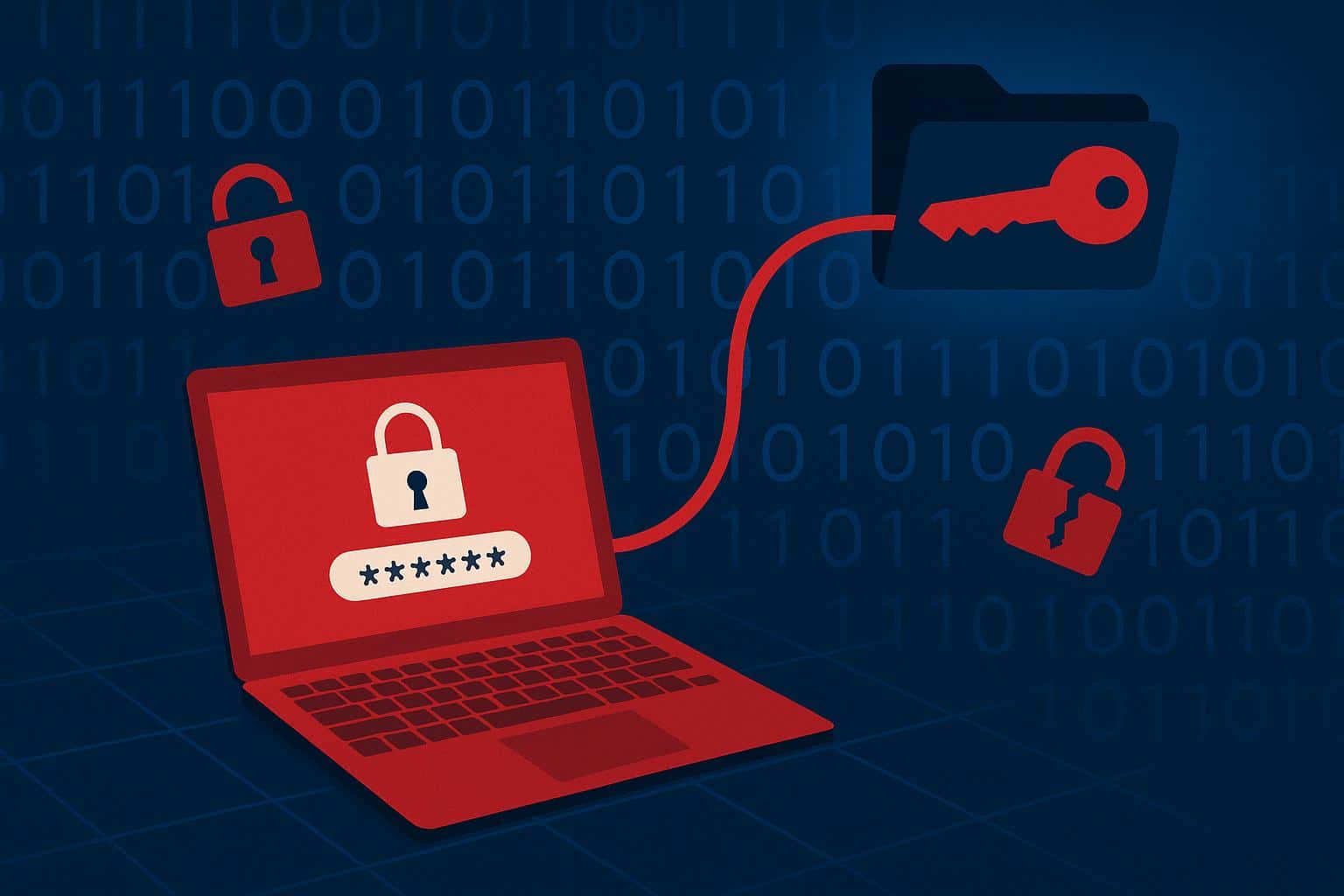
Administrative accounts can change security settings, install software, access sensitive systems, and manage other users. When attackers compromise these powerful credentials, a limited security event can develop into a widespread incident.
Why Attackers Target Admin Accounts
Most user accounts have restricted permissions. They may allow employees to access approved applications and files, but they do not normally provide control over critical systems.
Admin accounts are different. Their expanded permissions make them valuable targets for phishing, password theft, malware, and other account takeover methods. Once inside, an attacker may attempt to create new accounts, alter configurations, or access information beyond the original user’s reach.
The attacker may also appear legitimate because activities take place through a recognized account. This can make suspicious behavior harder to distinguish from routine administrative work.
How One Compromised Account Expands the Attack
An initial breach does not always affect an entire organization. The potential damage often depends on what the compromised user can access.
If the compromised account holds standing administrative rights, the attacker may move between connected systems, interfere with security controls, or search for additional credentials. Shared passwords and unmanaged service accounts can increase that exposure by giving the intruder more routes through the environment.
Excessive access also makes containment harder. Security teams must determine which systems the account reached, what changes it made, and whether the attacker established another way to return.
Reduce the Value of Stolen Credentials
Organizations can limit this risk by applying the principle of least privilege. Users should receive only the permissions required for their responsibilities, while elevated access should be granted for a specific task and removed when it is no longer needed.
Temporary elevation is safer than leaving administrator rights active at all times. Role-based access controls can also help ensure that sensitive permissions remain limited to appropriate users.
Strong authentication remains important, but it should not be the only safeguard. Organizations should protect privileged credentials, review dormant accounts, avoid shared passwords, and revoke access promptly when roles change.
Add Visibility to Privileged Activity
Prevention must be supported by oversight. Security teams need clear records of privilege requests, approvals, access changes, and sensitive sessions.
Organizations evaluating privileged access management tools should look at credential protection, just-in-time access, session monitoring, automatic privilege removal, and detailed audit records.
These controls can help teams identify unusual activity and investigate incidents with better context. They also establish accountability for legitimate administrative actions.
Treat Privileged Access as a Security Boundary
Admin credentials should never be managed like ordinary passwords. They represent access to the systems, settings, and data that keep an organization operating.
By reducing permanent privileges, protecting credentials, monitoring sensitive sessions, and maintaining reliable access records, businesses can limit what attackers can accomplish after an account is compromised. The goal is not only to prevent the first breach, but also to stop one stolen login from becoming a much larger incident.

