


A successful corporate event leaves a lasting impression long after the final presentation. While good content and engaging speakers are crucial, the physical space itself plays a powerful role in shaping how attendees perceive and remember the event. A well-designed, branded environment does more than just show off a company logo; it pulls guests into your brand’s world, turning a simple gathering into a memorable and impactful experience. This kind of transformation doesn’t happen by chance. It takes careful thought about design, psychology, and logistics to make sure every element works together to tell a clear story.
From the moment someone walks through the door, they should feel a shift. The atmosphere, visuals, and flow of the space should communicate your brand’s values and mission without anyone saying a word. This immersive approach is what makes the difference between a forgettable conference and an event that builds lasting brand loyalty and drives business results, much like how motion strengthens brand recall.
Crafting Memorable Brand Experiences
Creating a truly memorable brand experience means looking beyond just surface-level decoration. It’s about building an entire environment that reflects your brand’s identity. The goal is to create a smooth journey for your attendees, where every interaction reinforces your message. This starts with the big picture: the overall layout, how people move between sessions and networking areas, and the general mood you want to set. Is your brand innovative and forward-thinking? Then the environment should feel modern, clean, and perhaps include interactive technology. Is it established and trustworthy? The design might use classic materials, a structured layout, and a more formal feel.
This cohesive atmosphere relies on expert execution. Professional corporate events installation makes sure that every element, from the main stage lighting to the smallest directional sign, helps tell a unified story. When backdrops are seamless, displays are professionally set up, and lighting is perfectly adjusted, attendees can fully immerse themselves in the experience without distraction. These details are crucial for creating a memorable brand experience that feels polished and intentional. Imagine a product launch where the event space uses the product’s color palette and design themes throughout, creating a world that feels like an extension of the product itself. This consistency makes the brand feel more real and important.
The Psychology of Event Design
Every design choice you make has a psychological effect on your attendees. The layout of a room, the color of the lighting, and even the texture of the materials can influence mood, energy levels, and behavior. Understanding the psychology of event design lets you guide the attendee experience on purpose. For example, wide, open pathways can encourage movement and exploration, while smaller, more private seating areas can lead to deeper conversations.
Color psychology is a powerful tool here. Blue tones can bring out feelings of trust and stability, making them perfect for financial or tech conferences. Reds and oranges can create a sense of energy and excitement, ideal for a launch party or sales rally. Lighting also plays a key role. Bright, cool-toned lighting during keynote speeches can help keep an audience alert and focused. In contrast, warmer, dimmer lighting in networking lounges can make the space feel more relaxed and good for conversation. Even sound adds to the atmosphere. A carefully chosen playlist that matches your brand’s personality can fill awkward silences and keep the desired energy level throughout the event. Thinking about these sensory inputs helps you create an environment that not only looks good but also makes attendees feel exactly how you want them to feel.
Integrating Visuals and Messaging
Consistency is the foundation of effective event branding. Your visual identity and main messages must be integrated across every single asset connected to the event, both digital and physical. This creates a strong sense of unity and reinforces your brand at every turn. The process starts long before the event itself, with email invitations, registration pages, and social media announcements all sharing the same fonts, color scheme, and tone of voice.
Once attendees arrive on-site, this consistency must continue. Welcome banners, registration desks, presentation slides, staff uniforms, and even smaller items like name badges and water bottle labels should all feel like part of the same family. This repetition isn’t redundant; it’s essential for brand recall. The role of branding in events is to build familiarity and trust, and visual consistency is a primary driver of that.
Think about how your key messages can be woven into the environment. Are you focused on sustainability? Use recyclable materials for signage and highlight your green initiatives on digital displays. Is your message about connection? Design networking zones that are comfortable and inviting. When your visuals and your message align perfectly, you create a holistic experience that is clear, compelling, and impossible to ignore.
Strategic Use of Staging and Signage
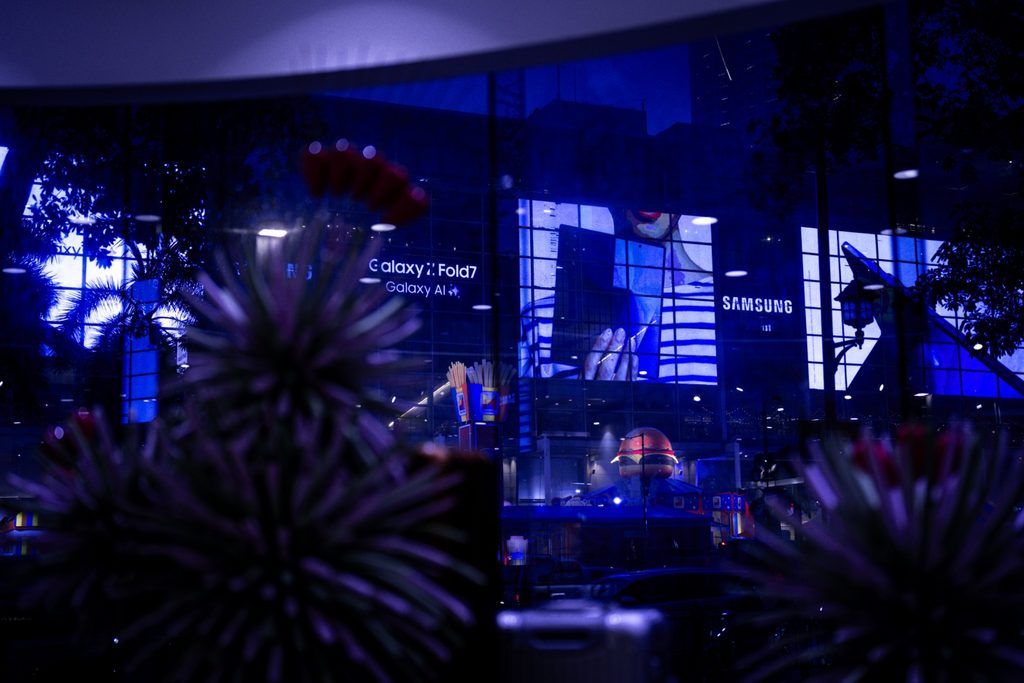
Staging and signage are the workhorses of a branded environment. They are functional necessities that guide attendees and focus their attention, but they are also prime opportunities for branding. A well-designed stage, for example, is more than just a platform for speakers; it is the visual anchor for your entire event. It will appear in nearly every photo and video, so its design should powerfully represent your brand. Custom backdrops, branded lecterns, and dynamic lighting can transform a simple stage into a memorable centerpiece.
Signage serves two purposes: information and immersion. Wayfinding signs are essential for helping people navigate a large venue, but they don’t have to be boring. By using your brand’s fonts and colors, even a simple directional arrow becomes a branding touchpoint. Think about different types of signage for different goals:
- Welcome Signs: Make a strong first impression at the entrance with large, high-impact banners or digital screens.
- Directional Signs: Use clear, well-placed signs to reduce confusion and create a smooth flow of traffic.
- Informational Signs: Display schedules, speaker bios, and maps on strategically located signs or interactive kiosks.
- Experiential Signs: Create photo opportunities with branded walls or unique installations that encourage social sharing.
By treating every sign and every stage element as a piece of the larger brand story, you maximize your impact and create a more cohesive and professional-feeling event.
Measuring Branded Environment ROI
Investing in a branded environment is a strategic decision, and like any investment, its return should be measured. While some benefits, like enhanced brand perception, are qualitative, you can track several concrete metrics to gauge how effective your event’s design is. The key is to define your goals beforehand and build measurement tactics directly into your event plan.
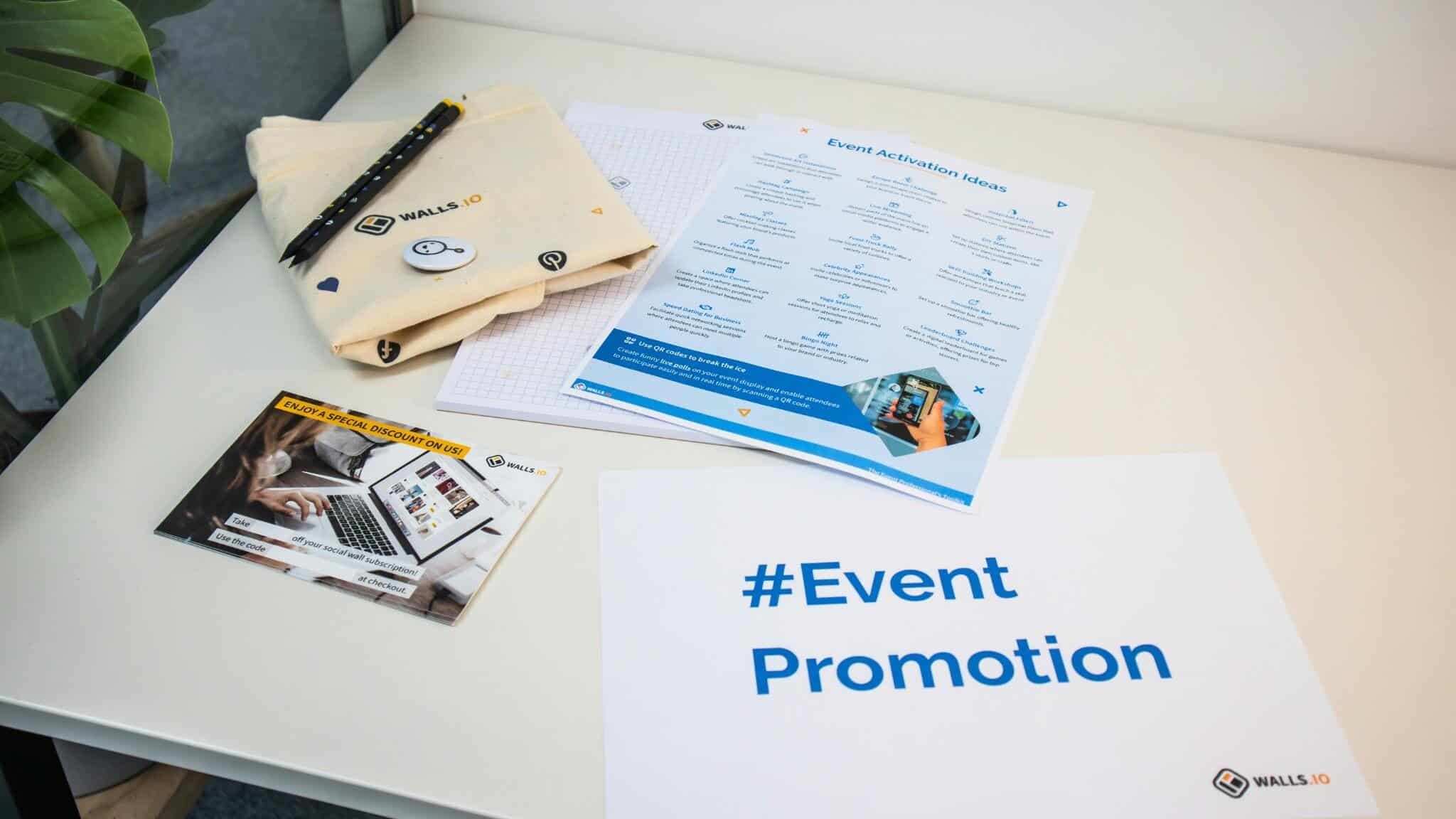
One of the most immediate indicators is social media engagement. Did attendees take photos of your branded installations? Track your event hashtag to see the volume and sentiment of posts featuring your event space. A custom photo wall or a unique stage design can become a powerful engine for organic online promotion. Post-event surveys are another essential tool. Go beyond general satisfaction questions and ask specifically about the environment. Consider questions like:
- “On a scale of 1 to 10, how well did the event’s atmosphere reflect our brand?”
- “Which part of the event design did you find most memorable?”
- “Did the layout of the venue make it easy to navigate and network?”
You can also link environmental elements to lead generation. If you have different branded zones or interactive displays, use badge scanners to track engagement in each area. You can then analyze whether leads generated from a specific, highly branded experience converted at a higher rate. Connecting physical design to tangible business outcomes helps you clearly demonstrate the value and measure your event ROI effectively.
Ultimately, a well-executed branded environment does more than just support an event; it elevates it. It transforms a physical space into a living embodiment of your brand, creating an experience that resonates with attendees and delivers a powerful return on your investment.

