


Long-term travel isn’t about sightseeing every day. It’s about carving out a livable rhythm in a temporary place. And that rhythm either holds or breaks based on one factor most short-term visitors ignore: sound. Not aesthetics. Not price. Sound. More specifically, how quiet or chaotic your immediate zone is. For extended stays, noise becomes one of the most consistent variables you face. It either lets you settle in or keeps you mentally stuck in transit mode.
Hilton Head is no exception. In fact, its charm amplifies the contrast. A stretch of beach that feels serene at 10 a.m. can turn into a chaos corridor by sunset, depending on the neighboring units, parking layout, or even local wildlife activity. Travelers staying for a month or more often get caught off guard by the environmental soundtrack that rolls in after the weekend crowds disappear.
The Daily Patterns No One Tells You About
The first thing you realize on a long-term rental is that daytime quiet means nothing if the evenings implode. Some properties book up with short-term vacationers who treat every night like a finale. Pool noise, hallway chatter, car alarms, and late-night arrivals stack. Multiply that by thirty days, and it turns into fatigue, not a vacation.
On the flip side, certain zones remain deceptively calm at night but come alive early. Maintenance crews, golf carts, trash pickup, and lawn care aren’t once-a-week occurrences. They’re scheduled with precision, often starting before seven. If you’re planning to work remotely or just sleep past sunrise, the wrong location will kill that idea fast.
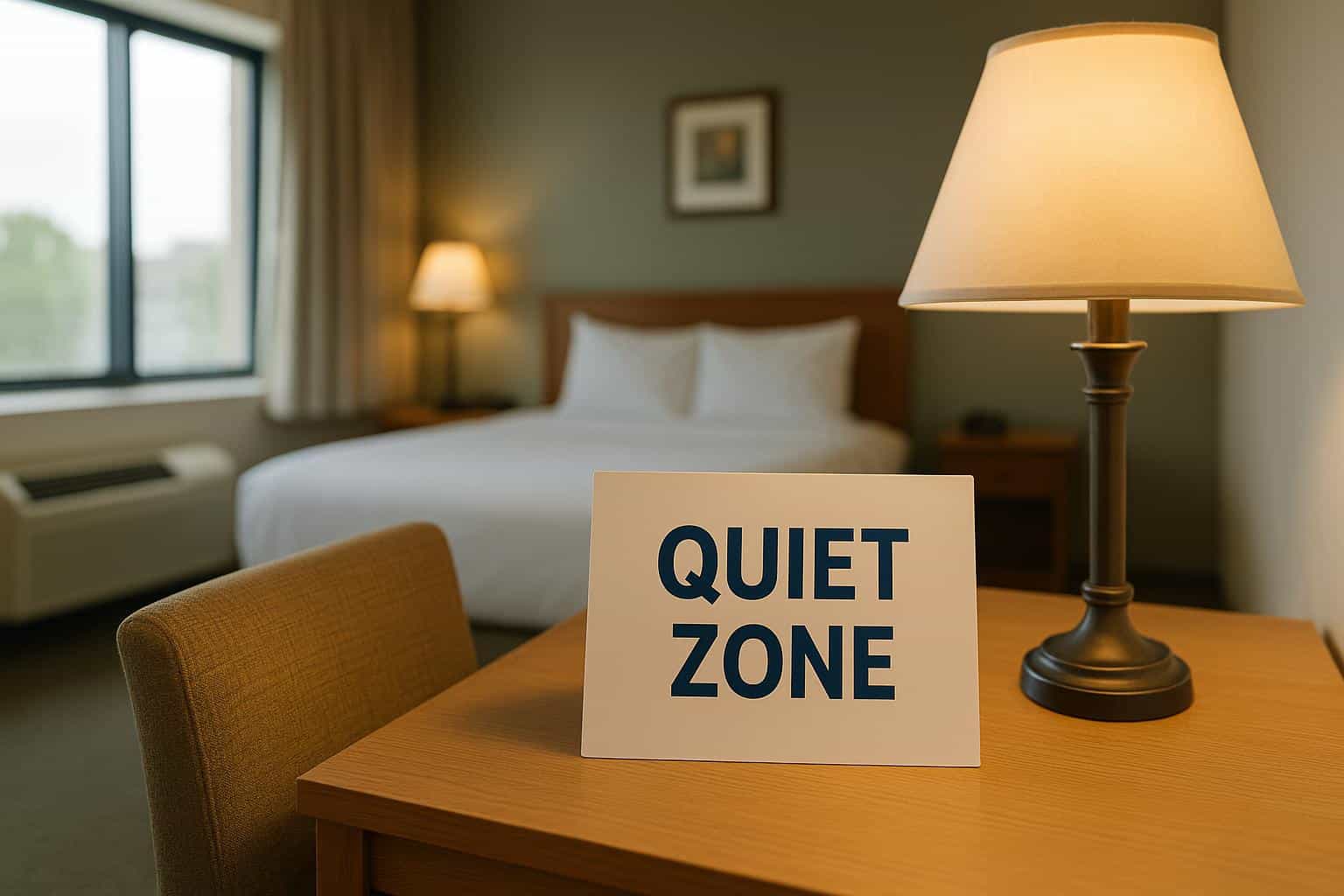
That’s why quiet zones matter. Not because you want total silence, but because you need predictable patterns. You need to know when the chaos hits and how often. And the only way to get that is by booking with operators who live there, not just manage from afar.
The Layout of Noise
Quiet isn’t just about neighborhood or proximity to main roads. It’s about unit placement and structural layout. End units have fewer shared walls, fewer people passing by, and often better airflow, so you don’t need to keep windows open and invite outside noise in. Upper floors dodge foot traffic and vehicle sounds. Interior corners catch less echo from pools or courtyards.
Sound travels differently through buildings depending on how they were constructed. Older buildings with concrete frames suppress noise better than newer, cheaper builds that favor speed over density. Even simple design choices like staggered balconies versus lined-up ones can shift how much neighbor noise filters through.
When looking at listings, very few platforms tell you this. But seasoned renters and returning guests know which clusters are calm and which ones aren’t. That’s where working with local sources for Hilton Head condo rentals makes a difference. They know which units face the quieter dunes, which ones get late-day wind, and which have patios that avoid being acoustic amplifiers for neighboring conversations.
Natural Sounds Still Count
It’s not just about people. Natural sounds can grind on you, too. Tree frogs, marsh birds, ocean winds. These aren’t soothing if they spike at odd hours or echo through poorly insulated frames. Rain hitting metal rooflines or drip pans can feel like percussion in an otherwise calm night.
You won’t see these details in glossy brochures or high-res listing photos. But you will hear about them if you talk to someone who actually lives in the area year-round. They’ll tell you what it’s like when the tides shift or when fog rolls in and amplifies dock sounds. These aren’t things you can guess. You need lived experience, or secondhand access to it.
The Consequences of Choosing Wrong
Pick the wrong noise environment, and long-term travel becomes a countdown to departure. Sleep gets choppy. Remote work takes a hit. Simple things like reading outside or making calls start to feel like effort. And worst of all, it colors how you remember the place. Hilton Head deserves better than that.
The good news is, quiet zones do exist. And they’re not necessarily more expensive. They just require better questions and better partners. Skip the flashy listings that only show daytime beach shots. Look for feedback that talks about repeat stays. Pay attention to reviews that mention sleep quality, not just views or décor.
Better yet, reach out to providers who specialize in long-term Hilton Head condo rentals. The ones worth working with don’t just match you to a price point. They match you to a lifestyle rhythm. That rhythm begins with quiet and ends with a stay that actually feels like living, not just passing through.
