As seniors age, their personal needs evolve; safety and independence become key priorities. Consideration is given to the speed at which help can arrive in the event of a fall or medical emergency, both inside and outside of the home.
Medical alert devices address these concerns by providing immediate access to assistance in case of emergencies, offering assurance to seniors and their families.
However, the pricing models vary; system features differ, making it difficult for buyers to compare options directly. Learning how medical alert systems work and understanding their pricing enables more confident, informed decision-making.
This article is a lucid, professional summary of the general pricing of medical alert systems in Canada, the features involved, and how seniors can choose the right product that fits their lifestyle and safety requirements.
Monthly Costs and Influencing Factors
In the analysis of medical alert systems in Canada, there are basically two major pricing models.
Home-based systems typically cost less than nationwide mobile systems. To a great extent, such price differences can be attributed to the nature of the technology involved and the environments in which the systems are supposed to operate.
Home-based systems have a set base unit that provides stable, broad coverage throughout the house. Mobile systems integrate GPS and cellular services, providing round-the-clock protection even when one is outdoors.
Some of the added features, such as a built-in fall detector or access control, may increase monthly payments. By being aware of these variables, seniors can choose the system that best suits their safety priorities and financial constraints.
Fundamental Components of an At-home System
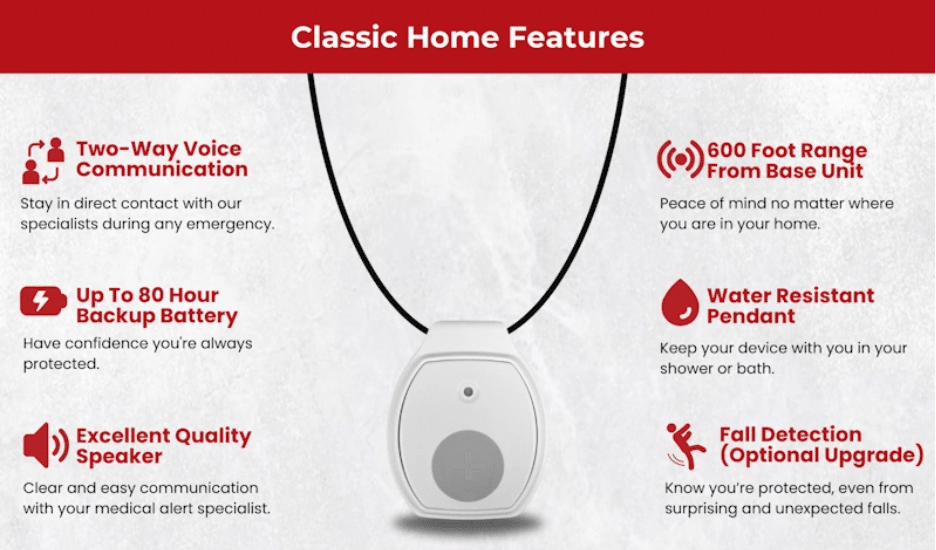
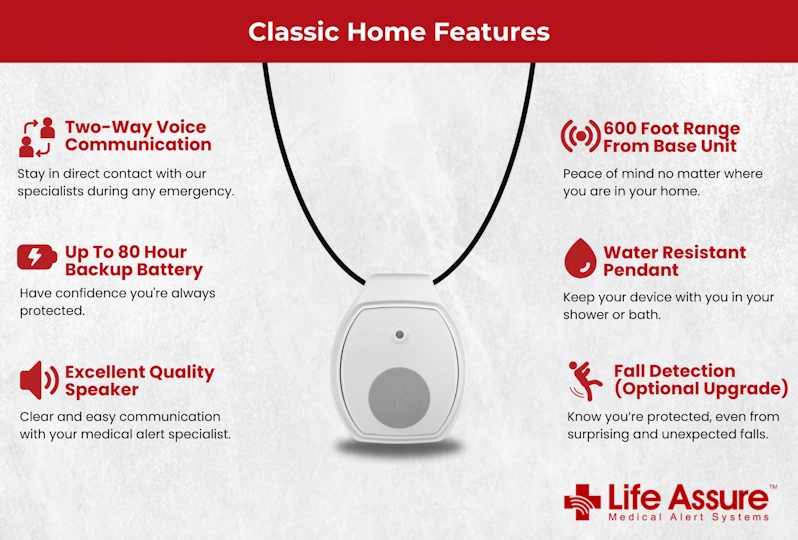
Home-based medical alert systems focus on dependability and convenience. They are equipped with two-way voice communication, high-quality audio, and an easy-to-reach help button.
Most medical alert units are equipped with backup batteries that can last up to 80 hours. This ensures the device continues to function reliably, providing continuous protection even during extended power outages.
The wearable button is a water-resistant device that is usually worn as a pendant or bracelet, allowing the user to call for help from anywhere in the house. All these elements constitute a secure, reliable protection to those who want to be in a familiar, home-based setting.
Functionalities Built into Mobile, On-the-Go Systems
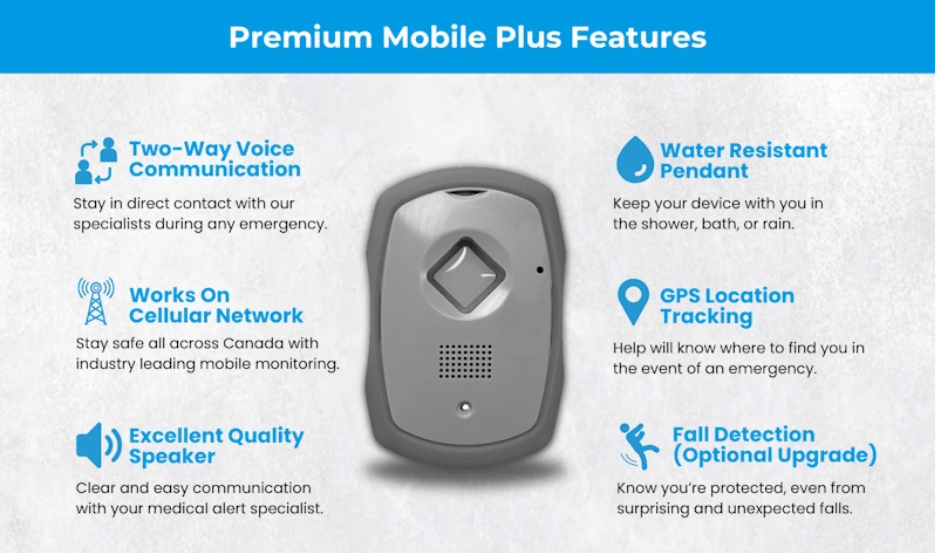
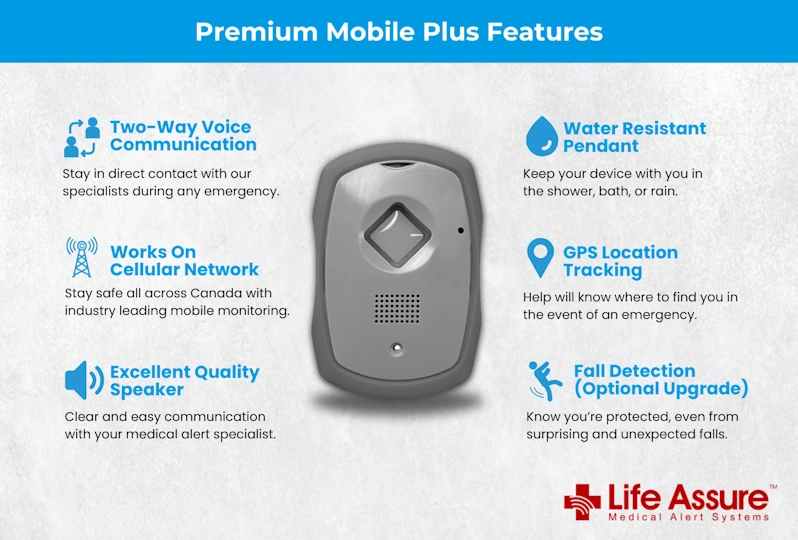
Medical alert systems are not limited to the home, instead, of a base unit, users carry a small device with both GPS and cellular connectivity, allowing their exact location to be tracked in case of any emergency situations.
The majority of models have water-resistant casing and a battery life of up to 48 hours, with a typical recharge time of about 4 hours. These systems are highly applicable to people with an active lifestyle, as they provide all-time protection wherever one goes outdoors.
Additional Features and Standard Expenses
Medical alert systems usually have optional add-ons to make them safer.
Automated fall detection is among the most beneficial upgrades, as falls pose a serious threat to the elderly population.
The technology identifies unexpected impacts and automatically alerts the monitoring center, even when the user is unable to tap the help button due to confusion or mobility issues.
Such services are usually associated with a small monthly subscription or a single fee for installing equipment. The ability to customize features based on personal risk factors enables users to develop a comprehensive safety solution without spending money on features they do not need.
Service and Long-term Value Monitoring
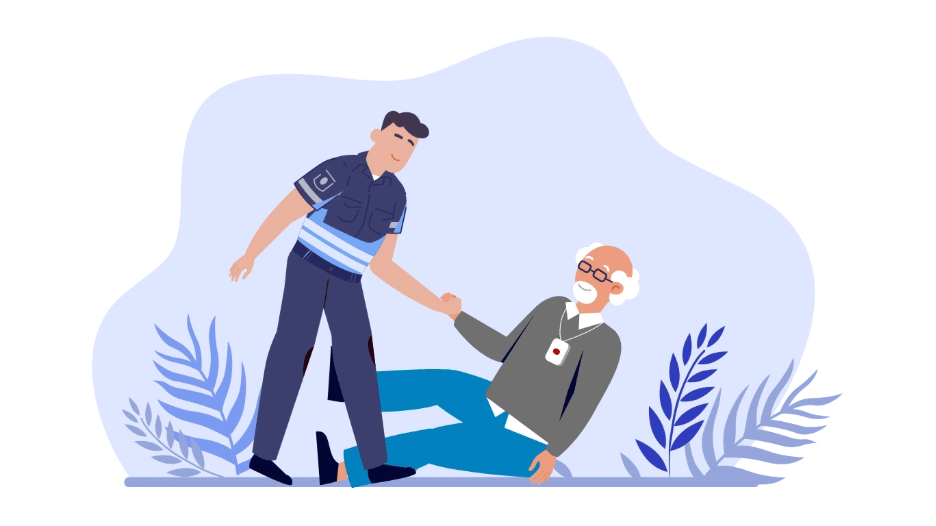
All medical alert systems rely on 24-hour monitoring services.
The emergencies are evaluated by trained professionals 24/7 and routed to the appropriate help. The monthly subscription usually includes monitoring fees, with round-the-clock support and no hidden charges.
Many providers also eliminate activation fees, long-term agreements, and replacement charges, replacing them with lifetime warranties.
Pricing alone does not count for as much as responsiveness and reliability in monitoring services when it comes to determining long-term value, because they directly impact real-life safety.
Selecting the Appropriate System Based on Lifestyle
The most effective medical alert system should be based on daily habits and mobility.
Home-based systems are usually beneficial to people who spend most of their time at home and offer high coverage and easy usage in a predictable environment.
Mobile systems are usually preferred by people with more active lifestyles. The built-in GPS and cellular connectivity mean one can be assisted during walks, errands, or travel.
The ability of systems to align with personal routines is the most efficient way to maintain independence and peace of mind.
Final Thoughts
By understanding the technologies, functionalities, and monitoring services provided, the older generation can find a system that offers reliable services.
The monthly costs are not the only benefit of a medical alert system. It is access to help quickly, an assurance to loved ones, and a greater sense of stability in everyday life.
When older people choose a system that aligns with their lives and personal needs, they get more than just security; they also gain freedom, confidence, and a peace of mind that lasts forever.