


Mental health care does not exist in a cultural vacuum. For veterans, experiences before, during, and after military service profoundly shape how mental health symptoms develop, how help is perceived, and what kind of treatment feels safe or effective. Military culture influences identity, communication style, coping mechanisms, and attitudes toward vulnerability, all of which must be understood for treatment to truly work.
For individuals considering care through ptsd treatment programs for veterans, this cultural context is not a side note. It is central to engagement, retention, and long-term outcomes. From a behavioral health perspective, culturally informed care improves clinical effectiveness. From a marketing perspective, acknowledging military culture builds trust and credibility with a population that is often skeptical of generic mental health messaging.
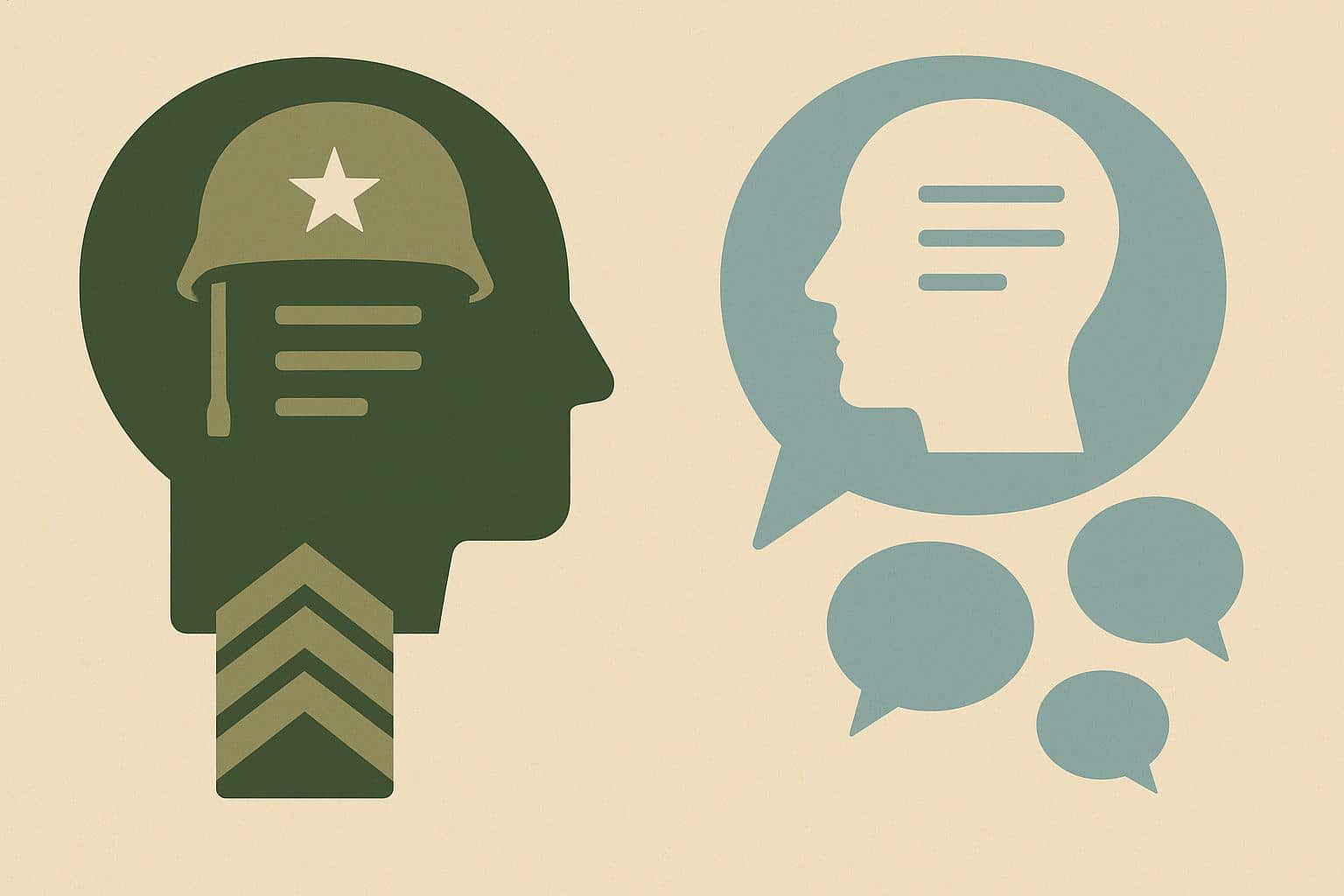
The Values Embedded in Military Culture
Military culture emphasizes discipline, structure, teamwork, and mission focus. Service members are trained to perform under pressure, prioritize collective goals, and suppress personal discomfort for the sake of the unit. These values are adaptive and lifesaving in military environments, but they can complicate mental health treatment later.
Traits such as self-reliance and emotional control may make it difficult for veterans to recognize distress or ask for help. Admitting vulnerability can feel incompatible with deeply ingrained beliefs about strength and responsibility. In treatment settings, this can present as guardedness, minimization of symptoms, or reluctance to engage emotionally.
Effective PTSD treatment accounts for these dynamics rather than pathologizing them. Marketing that reflects respect for military values while reframing help-seeking as a strategic and responsible decision tends to resonate more strongly than language focused solely on emotional relief.
How Trauma Is Experienced and Interpreted
Trauma in military contexts often involves repeated exposure to danger, loss, and moral
complexity. Veterans may struggle not only with fear-based trauma, but also with moral injury, grief, or guilt related to actions taken or witnessed during service.
These experiences can lead to PTSD symptoms such as hypervigilance, intrusive memories, sleep disturbance, irritability, and emotional numbing. However, veterans may interpret these symptoms differently than civilians, viewing them as personal failures or weaknesses rather than trauma responses.
Treatment programs that understand how veterans interpret their symptoms are better equipped to engage them effectively. Marketing that avoids clinical jargon and instead explains symptoms in functional, relatable terms can reduce defensiveness and increase openness to care.
Authority, Trust, and Treatment Engagement
Military service shapes how veterans relate to authority. Some may respond well to structured environments and clear expectations, while others may feel wary of systems that resemble command hierarchies, especially if past experiences involved betrayal or loss of trust.
Trauma-informed PTSD programs navigate this carefully by balancing structure with autonomy. Veterans are given clarity about expectations while also being empowered to make choices about their care. This balance reduces the risk of retraumatization and improves engagement.
From a marketing standpoint, transparency matters. Clear explanations of program structure, therapeutic approaches, and patient rights help veterans feel informed rather than controlled. Trust is built when messaging reflects honesty and respect rather than persuasion.
Stigma and the Warrior Identity
Stigma around mental health remains a significant barrier for many veterans. Military culture often reinforces the idea that strength means endurance and that mental health struggles should be handled privately.
This stigma can be external, coming from peers or leadership, or internal, shaping how veterans judge themselves. Internalized stigma frequently delays treatment until symptoms become severe, increasing the complexity of care required.
Behavioral health marketing plays a meaningful role in countering stigma. Language that frames PTSD as an injury rather than a flaw, and treatment as skill-building rather than correction, aligns more closely with military identity and reduces shame-based resistance.
Communication Styles and Therapeutic Fit
Veterans often communicate differently from civilian populations. Directness, brevity, and action-oriented language may feel more natural than emotional exploration or abstract discussion.
PTSD treatment programs that adapt their communication style accordingly tend to be more effective. This does not mean avoiding emotional work, but rather pacing it appropriately and grounding it in practical outcomes.
Marketing that reflects this communication style feels more authentic. Veterans are often quick to disengage from messaging that feels overly emotional, vague, or disconnected from real-world application.
Structure, Routine, and Psychological Safety
Structure is a familiar and often comforting element for veterans. Predictable schedules, clear roles, and defined expectations can reduce anxiety and create a sense of safety in treatment settings.
PTSD programs that incorporate routine while allowing flexibility support emotional regulation and reduce overwhelm. In contrast, unstructured or ambiguous environments may increase distress for individuals accustomed to clear systems.
From a behavioral health lens, structure supports nervous system stabilization. From a marketing lens, describing how structure supports recovery helps set accurate expectations and reduces fear of the unknown.
Evidence-Based Care Within a Cultural Framework
Military-informed PTSD treatment often includes evidence-based therapies such as cognitive
processing therapy, prolonged exposure, and EMDR, delivered within a framework that respects military experience.
Education is a key component. Research shared by the National Institute of Mental Health on post-traumatic stress disorder reinforces that PTSD is a legitimate, treatable condition and that structured, evidence-based care improves outcomes.
For marketing, referencing reputable institutions strengthens credibility while reinforcing that treatment is grounded in science, not trend-driven promises.
Why Cultural Awareness Improves Retention
Veterans are more likely to remain in treatment when they feel understood. Cultural misalignment can lead to disengagement even when clinical quality is high.
When providers demonstrate awareness of military norms, language, and values, veterans are more likely to trust the process and participate fully. This improves retention, outcomes, and long-term recovery stability.
From a marketing perspective, cultural competence is not just a clinical asset; it is a differentiator. Programs that communicate this awareness clearly stand out in a crowded landscape.
Ethical Marketing for Veteran Mental Health
Marketing to veterans requires care. Oversimplified promises, emotional manipulation, or vague assurances undermine trust. Veterans often respond better to straightforward communication that respects intelligence and autonomy.
Ethical marketing explains what treatment involves, who it is for, and what outcomes are realistic. It avoids framing recovery as quick or easy and instead emphasizes skill-building, support, and long-term growth.
This approach aligns marketing with clinical reality and supports informed decision-making.
When Treatment Aligns With Identity
PTSD treatment is most effective when it aligns with how veterans see themselves. Programs that respect military culture while offering tools for healing create space for growth without erasing identity.
Understanding military culture is not about glorifying service or minimizing pain. It is about recognizing context and responding with care that fits the individual.
Healing Happens When Culture Is Understood
Mental health treatment for veterans succeeds when it honors the experiences that shaped them. Military culture influences how trauma is processed, how help is sought, and what recovery looks like.
When treatment programs integrate cultural awareness into care, and when marketing reflects that integration honestly, veterans are more likely to engage, stay connected, and build meaningful lives beyond trauma.
