


Google already has the ideal version of Android, and Pixel is so close to perfect. The answer is not some radical new feature or a wonky form factor. It’s simple, it’s bold — and it’s long overdue: Merge Google’s best-in-class software and updates with the world of third-party hardware, in a formal “Pixel Edition” program.
The Pixel Equation: Great Software, Mediocre Hardware
Pixels offer unrivaled software perks and policy, period. Call Screen, Recorder with speaker labels, Now Playing and Pixel Feature Drops help to make Android feel smarter and calmer. And with recent models, Google has publicly pledged as many as seven years of OS and security updates — a level most Android makers can’t begin to touch.
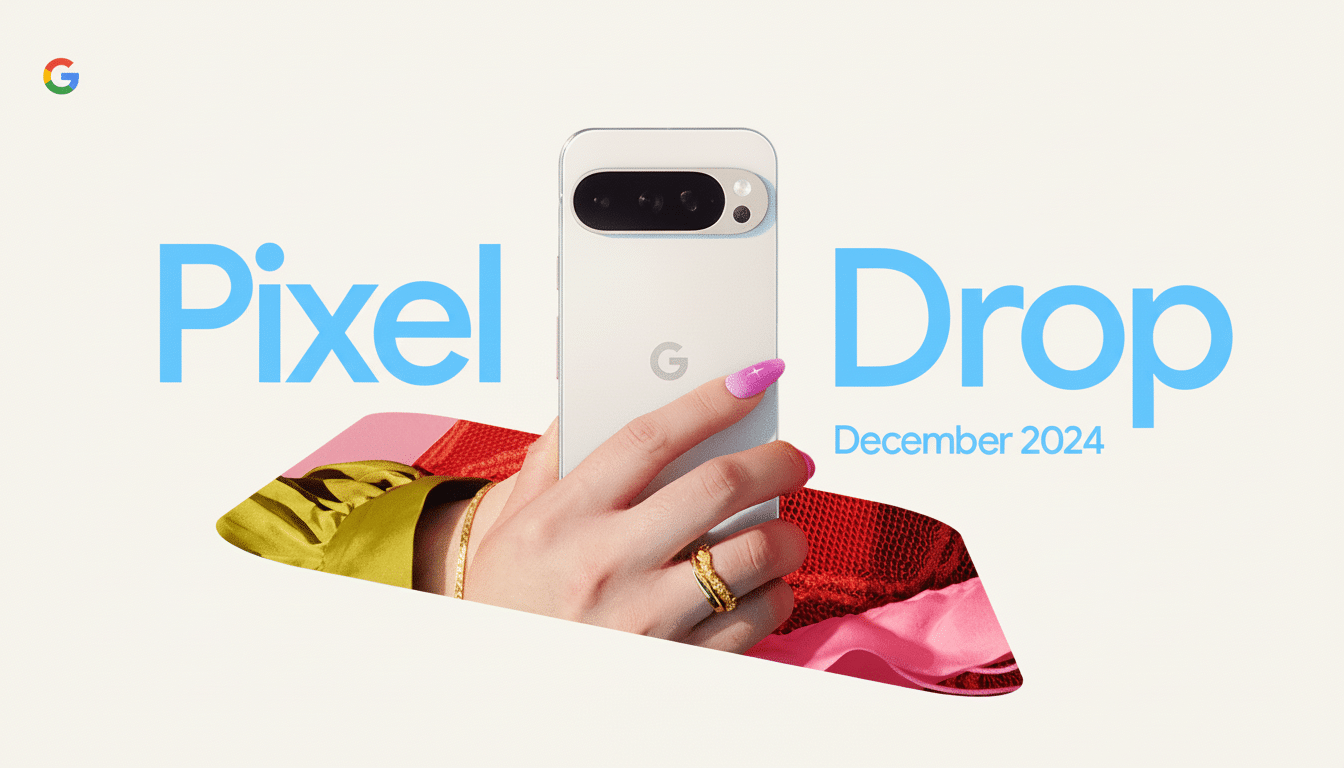
Hardware is an area where Pixels have frequently lagged behind the competition. Base storage is also kept low in some tiers, with charging ceilings often falling well below the 80W to 120W range found commonly in China, and you are likely to have less than 5,000mAh on board. The Tensor chips from Google have gotten better, but testing from sources such as AnandTech and Notebookcheck has constantly shown Snapdragon and Dimensity flagships to have the upper hand in sustained performance and efficiency. Camera software is punching above its weight, but rivals are now deploying larger sensors, deeper periscope optics and faster multi-frame pipelines.
The Pixel Edition Blueprint for Third-Party Hardware
Picture a OnePlus, Xiaomi or vivo flagship that is sold as a “Pixel Edition,” complete with Google’s Pixel UI, 7 years of updates and the entire suite of Pixel-exclusive features. No skin. No duplicate app stores. No bloat. Just state-of-the-art hardware buttressed by Google’s software vision.
Technically, this is doable. Long-term updates are more predictable with modern Android foundations—Project Treble, the Generic Kernel Image, and modular system components. Google would release a Pixel Edition image and require A/B seamless updates, chip vendors would drop timely firmware and driver updates with a fixed cadence defined by quarterly platform releases.
The camera is the tricky one, but doable. Google can make HDR+ and semantic segmentation pipelines available via NNAPI, with per-sensor tuning developed in partnership with OEMs and silicon providers. A standardized camera HAL layer would make pixel-level features — Night Sight, Best Take, Super Res Zoom — available on all devices without hamstringing sophisticated optics. Imagine Pixel touch and feel with 1-inch-class sensors and 5x-10x periscopes all used to the max.
(Services and monetization sweeten the pot, too. A Gemini device would push Gemini features, Google One and YouTube Premium, in the effort to get that moolah-tarian engine running. In exchange, partners get a halo product and the promise of software updates and a clean global software experience compelling to both carriers and businesses.)
Why It Might Work Now for Google’s Pixel Edition Plan
A variation of this we have seen before. Google Play Edition phones from the mid-2010s combined popular hardware with pure Android, and they were updated faster than their skinned contemporaries. The catch today is “pure Android” is no longer bare-bones. Pixel UI is stable, privacy-forward and packed full of features that people actually use. The update plumbing is also much more resilient than it was a decade ago.
There’s also a distribution angle. Market research firms like Counterpoint and IDC continue to report Chinese brands are running the tables on big segments where Pixel has little-to-no presence. The Pixel Edition partnerships could allow Google to get its software into more hands without having to build an entire sales and service network from the ground up in every region.
The Speed Bumps Facing a Formal Pixel Edition Program
The biggest opposition is inside: why sell other companies’ flagships when Google already produces Pixels? Cannibalization is real. OEMs would fret, too, about losing their software “identity” and lock-in. And camera magic doesn’t just port itself — tuning across diverse sensors and ISPs is expensive (comprising continuing shared engineering).
Compliance adds friction. Carrier certification, VoLTE and 5G band support of a device, and regional regulations would have to be tightly coordinated. There’s a regulatory backstory — particularly in Europe — of being tough on platform owners that favor their own services. And any Pixel Edition program would have to be offered on clear, non-exclusive terms in order to avoid antitrust headaches.
A Middle Way to a Near-Perfect Pixel Without Disruption
If the full Pixel Edition feels too disruptive, start incrementally. Confine partnerships to markets in which Pixel isn’t officially sold.
- Take one phone per year, with 2 OEM/ODM partners, through the GMS approval process.
- ODM — Qualcomm reference design.
- On this model, we shall source specific components as a requirement, then manufacture in Asia with proper security and privacy checks between all nodes of manufacturing.
- Only two partners. No more than that for GMS.
- The required update SLA must be AOSP +90.
- Another very positive thing from having only a few super-quality devices is that our gPAD tuning process will remain as it has always been, and you won’t have any garbage/generic move that you mentioned before.
Or aim for niches Google doesn’t focus on — an ultra-camera “Pro Ultra,” a big-battery travel phone, or a compact flagship — so there’s less risk of internal cannibalization.
At the same time, Google can plug any remaining holes on its own equipment. Transition to more efficient fabrication for Tensor, focus on a superior modem and RF design, set 256GB as the minimum base storage for flagships, embrace 45W–65W charging with smart battery health controls and explore larger sensors and longer-reach periscopes. None of this detracts from Google’s software edge; it just completes the job.
The dream of the perfect Pixel is not a pipe dream. It’s a schmoozy partnership framework plus an armful of practical hardware upgrades. Create a program that allows the greatest Android hardware to run under the best possible version of Android, secure in the knowledge of long-term updates, and keep things blissfully uncluttered along the way. Do that and the Pixel is no longer a great idea with big, fat caveats: It’s the bar for everyone chasing in 2021.
