


Dental pain or infection can threaten the health of your teeth and overall oral wellbeing. While general dentists manage routine dental care, there are situations where specialized intervention is necessary. Endodontists are dental specialists trained to treat the inner structures of teeth—the pulp and root canals—helping patients preserve their natural teeth.
Understanding how endodontists work, the treatments they provide, and when to see one is essential for anyone in Singapore looking to maintain healthy teeth and avoid unnecessary extractions. This guide explains the main procedures, benefits, and outcomes of endodontic care.
- Who Is an Endodontist?
- Common Problems Treated by Endodontists
- How Endodontists Save Teeth: Key Treatments
- Root Canal Therapy
- Retreatment of Failed Root Canals
- Apicoectomy (Surgical Root Canal)
- Pulpotomy and Pulp Capping
- Signs You May Need Endodontic Treatment
- Technology and Techniques in Endodontics
- Benefits of Endodontic Treatment
- Cost Considerations in Singapore
- Choosing a Reliable Endodontist
- Final Thoughts
- Frequently Asked Questions (FAQs)
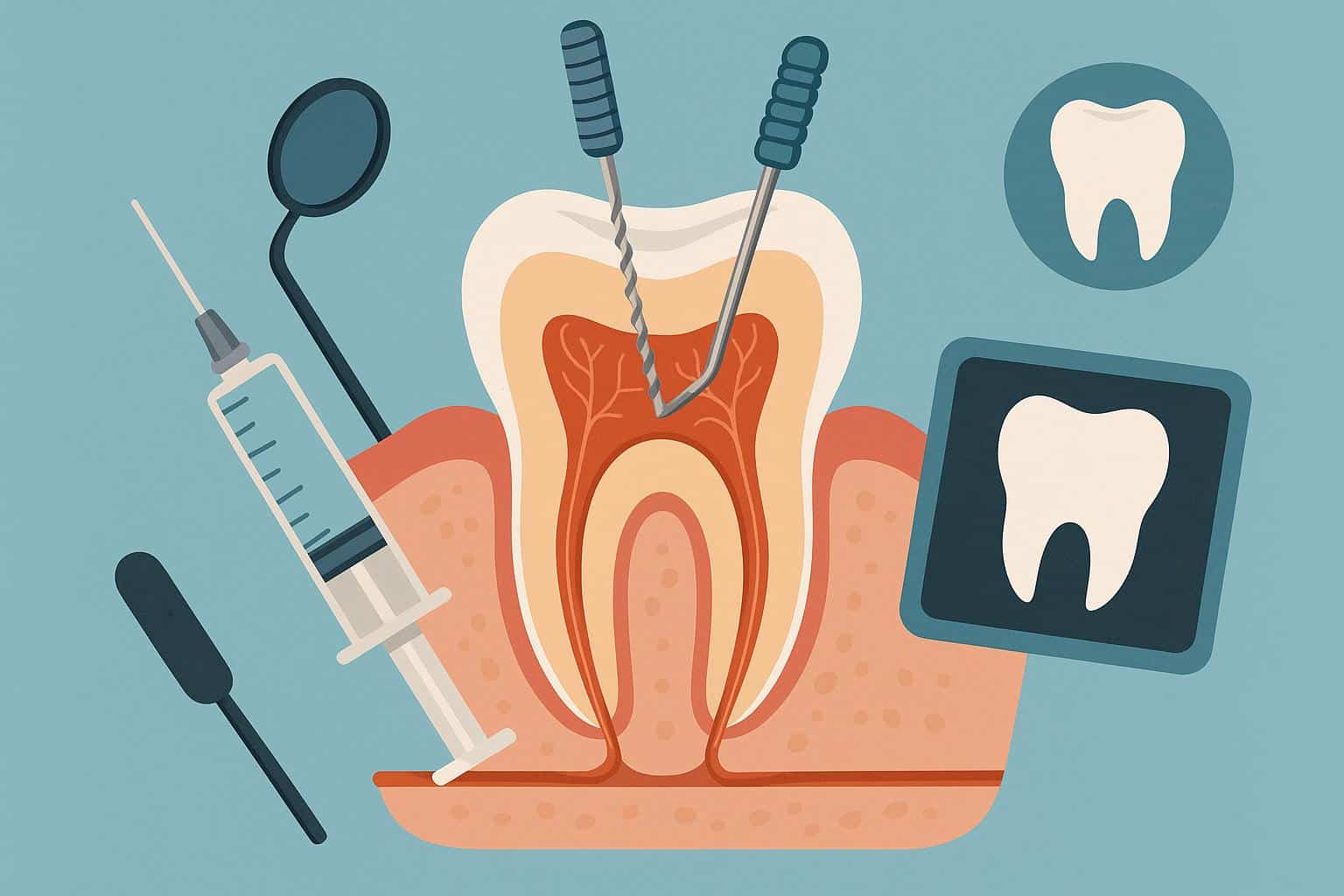
Who Is an Endodontist?
An endodontist is a dentist who has completed additional postgraduate training in diagnosing and treating complex dental conditions affecting the tooth pulp and root canals. They focus on tooth preservation, employing advanced techniques to manage infections, inflammation, and trauma.
Endodontists are uniquely qualified to:
- Treat severe tooth pain caused by pulp inflammation
- Perform root canal therapy and retreatments
- Conduct minor surgical procedures to save teeth
- Handle trauma-related dental injuries
Their expertise makes them the go-to specialists when preserving natural teeth is a priority.
Common Problems Treated by Endodontists
Endodontists address dental issues that involve the inner structures of the tooth. Common conditions include:
Infected or Inflamed Pulp
Deep decay or bacterial invasion can cause the pulp (nerve and blood vessels) to become infected. Endodontists remove infected tissue and seal the tooth to prevent further damage.
Cracked or Fractured Teeth
Trauma from accidents or biting hard objects can expose the pulp. Endodontic treatments stabilize the tooth and prevent infection.
Severe Toothache
Persistent or spontaneous pain may indicate pulp inflammation. Endodontists diagnose the source and provide targeted care to relieve discomfort.
Abscessed Teeth
An abscess is a pocket of infection at the root tip or surrounding bone. Left untreated, it can spread, causing systemic issues. Endodontic care addresses infection while preserving the tooth.
How Endodontists Save Teeth: Key Treatments
Root Canal Therapy
Root canal therapy is the most common endodontic procedure. It involves:
- Removing the infected or inflamed pulp
- Cleaning and disinfecting the canals
- Filling and sealing the canals to prevent reinfection
Modern root canals use precision tools, microscopes, and rotary instruments to ensure accuracy. This minimally invasive procedure relieves pain and preserves the tooth’s function.
Retreatment of Failed Root Canals
Sometimes a previous root canal fails due to incomplete cleaning, reinfection, or structural complications. Endodontists are trained to retract these teeth, removing old filling material, disinfecting the canals, and resealing them, often saving a tooth that might otherwise be extracted.
Apicoectomy (Surgical Root Canal)
When infection persists at the root tip, an apicoectomy may be necessary. This minor surgical procedure removes the infected portion of the root and seals the area to prevent recurrence. It is often the last step to save a tooth that conventional treatment cannot fully resolve.
Pulpotomy and Pulp Capping
These treatments are used when the pulp is partially affected, particularly in children or teeth with minor trauma. Pulpotomy removes diseased pulp tissue from the crown portion, while pulp capping protects the remaining healthy pulp, preserving vitality.
Signs You May Need Endodontic Treatment
Recognizing early warning signs allows timely intervention. See an endodontist if you experience:
- Severe or lingering tooth pain
- Sensitivity to hot or cold that persists
- Swelling or tenderness in gums
- Darkening or discoloration of a tooth
- Pain when biting or chewing
- History of dental trauma
Early treatment increases the success rate and prevents tooth loss.
Technology and Techniques in Endodontics
Endodontists employ advanced tools to improve accuracy and treatment outcomes:
- Dental Microscopes: Allow precise visualization of tiny canals
- Digital Imaging: Detects infections, fractures, and complex anatomy
- Rotary Instruments: Facilitate efficient cleaning and shaping of canals
- Biocompatible Sealants: Provide long-lasting protection against reinfection
Clinics in Singapore, including Nuffield Dental, use these technologies to provide patients with reliable, minimally invasive, and effective treatments.
Benefits of Endodontic Treatment
- Tooth Preservation: Maintains natural tooth structure and function
- Pain Relief: Eliminates infection and inflammation causing discomfort
- Reduced Risk of Infection: Prevents abscesses and systemic complications
- Long-Term Savings: Avoids costly alternatives like implants or bridges
Endodontic treatment is often the most cost-effective and conservative option for saving teeth.
Cost Considerations in Singapore
Endodontic procedures may seem more expensive than routine dental treatments due to their complexity and specialized care. Factors affecting cost include:
- Tooth location and number of canals
- Infection severity or retreatment needs
- Post-treatment restoration (crowns or fillings)
- Clinic technology and expertise
Though higher upfront, preserving a natural tooth often reduces long-term dental expenses.
Choosing a Reliable Endodontist
When selecting an endodontist, consider:
- Professional qualifications and experience
- Access to advanced diagnostic tools
- Transparent communication about procedures and costs
- Reputation and patient reviews
Clinics like Nuffield Dental combine skilled endodontists with modern technology and patient-focused care, ensuring both quality and comfort.
Final Thoughts
Endodontists play a crucial role in saving teeth that would otherwise require extraction. From root canal therapy to retreatments and surgical procedures, these specialists use advanced techniques to preserve natural teeth, relieve pain, and protect oral health.
Choosing a trusted clinic like Nuffield Dental ensures access to high-quality endodontic care, modern technology, and professional expertise, giving patients in Singapore confidence in preserving their natural teeth for the long term.
Frequently Asked Questions (FAQs)
1. What is the main difference between an endodontist and a general dentist?
Endodontists specialize in treating tooth pulp, root canals, and complex cases, while general dentists manage routine dental care and simpler procedures.
2. Does endodontic treatment hurt?
Modern anesthesia, techniques, and tools make treatment minimally painful, and most patients feel relief rather than discomfort.
3. How long does a root canal take?
Depending on the tooth complexity, root canals are usually completed in one or two visits.
4. Can a failed root canal be saved?
Yes. Endodontists are trained in retreatment procedures to eliminate infection and preserve the tooth.
5. Why is endodontic treatment worth the cost?
It preserves natural teeth, reduces the need for extractions, prevents complications, and avoids expensive replacement procedures.
