


Hollywood’s biggest power brokers are closing ranks against Seedance 2.0, a new text-to-video generator from ByteDance that can conjure photorealistic clips from a short prompt. Studios, unions, and trade groups say the tool is already enabling rampant misuse of actor likenesses and blockbuster intellectual property, escalating a legal and ethical fight that was simmering even before AI’s latest leap.
Industry Pushback Intensifies Over Seedance 2.0 Rollout
ByteDance rolled out Seedance 2.0 to users of its Jianying editor in China, with plans to bring the model to CapCut globally, according to reporting from the Wall Street Journal. Early posts on social media showcased 15-second clips mimicking A-list actors and iconic franchises—material that sparked swift rebukes from Hollywood groups and rightsholders.
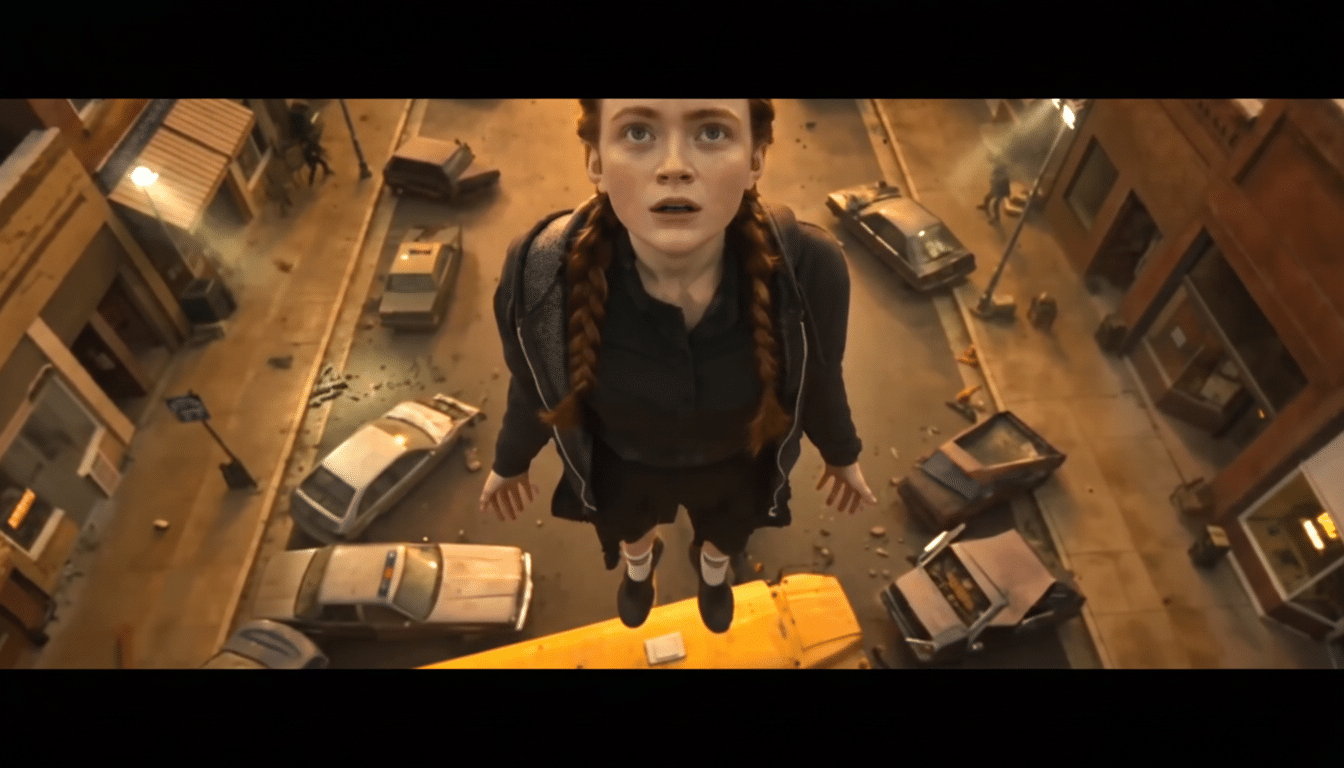
The Motion Picture Association condemned Seedance 2.0 for failing to prevent unauthorized uses of copyrighted works, framing the product as a direct threat to creators and the millions of jobs the screen sector supports. The Human Artistry Campaign, backed by unions and guilds, warned that unrestrained generative video tools risk turning creative labor and identity into unlicensed raw material. SAG-AFTRA voiced support for studio action, citing growing fears among performers about digital replicas and unauthorized likeness use.
Disney has issued a cease-and-desist letter, per Axios, alleging Seedance outputs have featured characters such as Spider-Man, Darth Vader, and Grogu without authorization. Variety reported that Paramount sent a similar demand, arguing that some Seedance results appear indistinguishable from the studio’s films and TV properties. ByteDance has not published detailed guardrails or a full training data disclosure for Seedance 2.0.
What Seedance 2.0 Does And Why It Alarms Studios
Like OpenAI’s Sora demos, Seedance 2.0 can transform a brief text prompt into a short, cinematic sequence—coherent camera moves, plausible lighting, and stylistic flourishes that echo familiar franchises. The clips are currently capped at 15 seconds, but the fidelity is high enough that even a snippet can evoke a protected character, costume, or set piece. That makes the model headline-grabbing and litigation-prone at the same time.
Industry veterans say the power-to-friction ratio is the new shock: two lines of text now replace entire visual-effects workflows for teaser-level content. Without robust IP filters, celebrity-likeness detection, and provenance marks, studios fear Seedance normalizes a gray market of “almost-official” content that erodes licensing revenue and confuses audiences.
The Legal Stakes: Copyright and Likeness Rights
There are two collision points. First, outputs: if a model produces footage that reproduces protected characters or distinctive production design, rightsholders will argue direct or contributory infringement. Second, inputs: if training relied on copyrighted videos without permission, lawsuits may test whether such use qualifies as fair use or requires licensing—a question the U.S. Copyright Office is actively examining in its ongoing AI policy work.
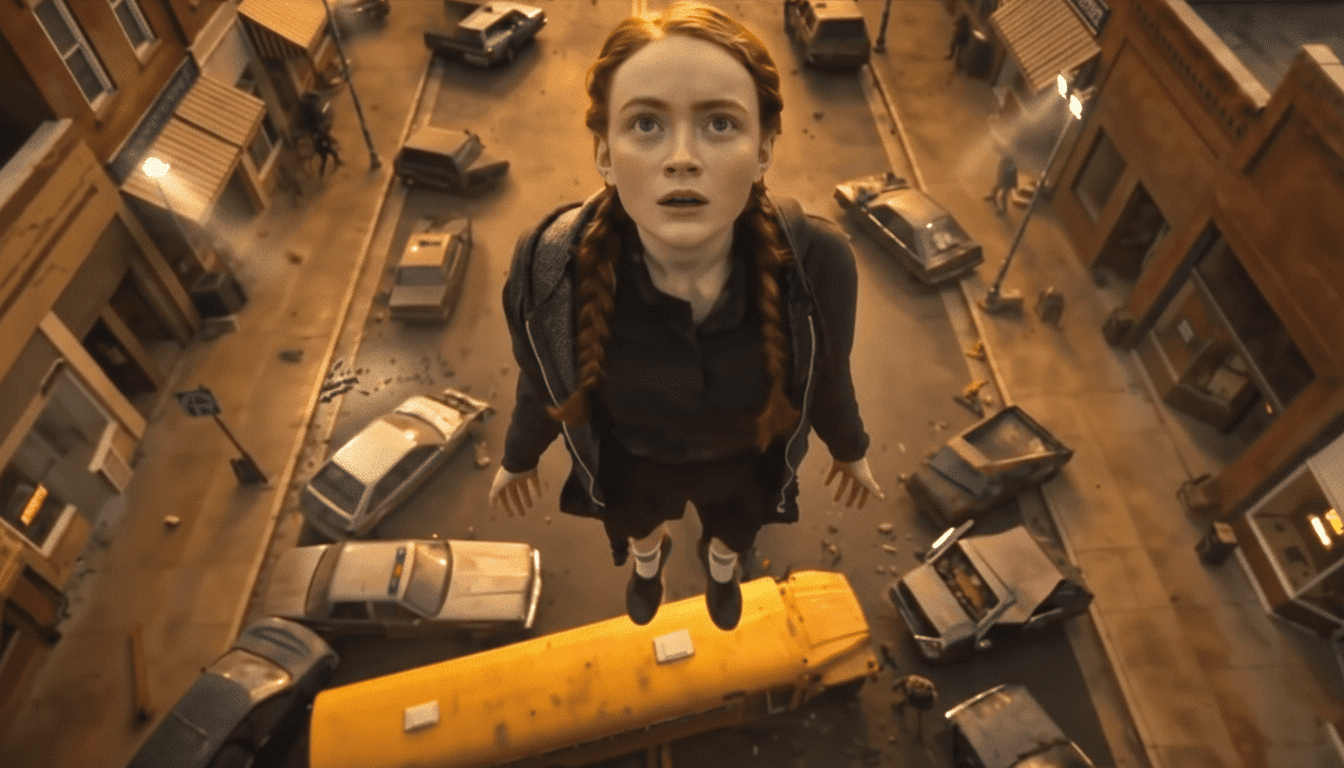
Personality rights add pressure. States like California and New York recognize robust protections over name, image, and likeness, and a bipartisan NO FAKES Act has been floated in Congress to set national rules for AI-generated replicas. In the EU, the AI Act will push platforms toward transparency and opt-out regimes for copyrighted training data. China’s deep-synthesis rules already require watermarking and consent for certain likeness uses—standards that could become relevant to ByteDance’s domestic operations.
Studios point to scale to underscore the risk: CapCut sits among the most-installed editing apps globally, per third-party app intelligence firms, meaning Seedance integration could push unlicensed content across social platforms at velocity. The MPA regularly notes that film and TV support millions of U.S. jobs, while research cited by policymakers estimates digital piracy drains tens of billions of dollars annually—context Hollywood will surely bring to court filings if talks stall.
Path Forward: Licensing or Litigation for Seedance
There is precedent for détente. Disney has reportedly challenged multiple AI providers over IP use even as it inks licensing deals with select partners; such agreements can allow curated, lawful style packs, watermarking, and attribution via standards like C2PA. For platforms, the calculus is stark: swift adoption fuels growth, but rights-respecting pipelines unlock brand-safe monetization and reduce existential regulatory risk.
Public sentiment may hasten compromise. Pew Research Center has found that a majority of Americans feel more concerned than excited about AI’s impact, and high-profile deepfakes have already rattled trust in media. Studios and unions will seize on that backdrop to argue for consent-first replication and mandatory, machine-readable provenance on all AI video.
What to Watch Next as Seedance 2.0 Faces Scrutiny
All eyes now turn to whether ByteDance tightens Seedance’s filters before global rollout—think blocklists for protected characters, stricter celebrity-likeness detection, visible watermarks, and an appeals process for takedowns. App stores and social platforms may also weigh enforcement policies as rights disputes escalate.
The bigger story is strategic, not just legal. Generative video is racing toward consumer scale, but the winners will be those who pair technical prowess with reliable rights clearance. Seedance 2.0 shows how fast the frontier is moving; Hollywood’s backlash shows how costly it will be to cross it without consent.
