


Google is quietly testing a next-generation face authentication system for Pixel phones and Chromebooks under the codename Project Toscana, according to people familiar with internal trials. Early testers describe a dramatic improvement in speed and reliability, particularly in dim or mixed lighting, where current Pixel face unlock often falters. The work signals a major push to deliver iPhone-grade convenience without adding conspicuous hardware.
Inside Project Toscana and Google’s next-gen face unlock approach
Sources say Google ran UX sessions in Mountain View using a Pixel prototype with a single hole-punch camera and two Chromebook test rigs with external camera modules. Across bright sunlight, backlit rooms, and near-dark environments, Toscana reportedly recognized faces as quickly as Apple’s Face ID in side-by-side impressions. While Google has not disclosed the underlying tech, the consistency across lighting strongly suggests near‑infrared capture and advanced depth or liveness checks, rather than a purely RGB, camera-only approach.
- Inside Project Toscana and Google’s next-gen face unlock approach
- Why Pixels need a new approach to reliable face unlock performance
- Hardware clues and design trade-offs for under-display IR
- Security Stakes For Payments And Sign‑In
- What it means for Chromebooks and shared device security
- What to watch next as Project Toscana nears potential launch
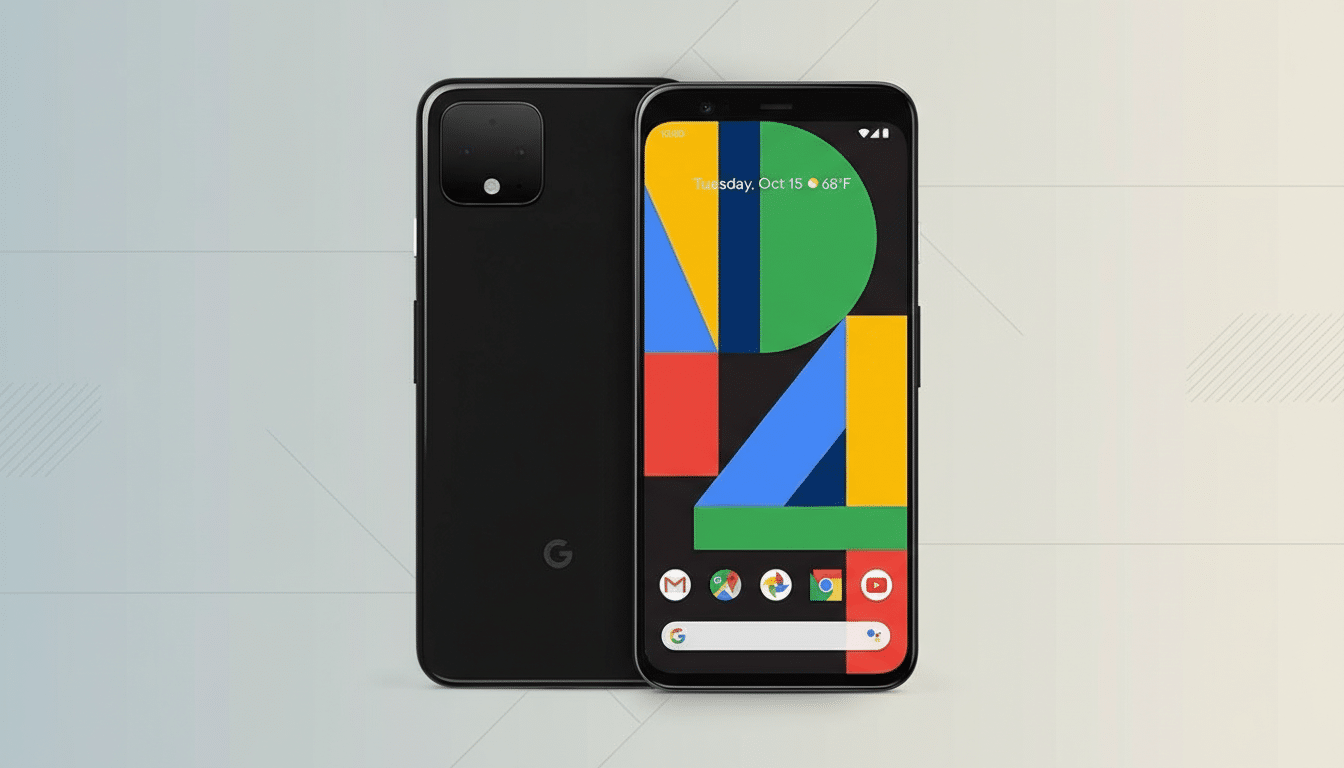
The goal, testers said, is twofold: restore the reliability once seen on the Pixel 4’s 3D facial recognition while preserving today’s clean industrial design. That means no large bezels, no visible arrays beyond a standard selfie camera cutout, and minimal impact on display symmetry.
Why Pixels need a new approach to reliable face unlock performance
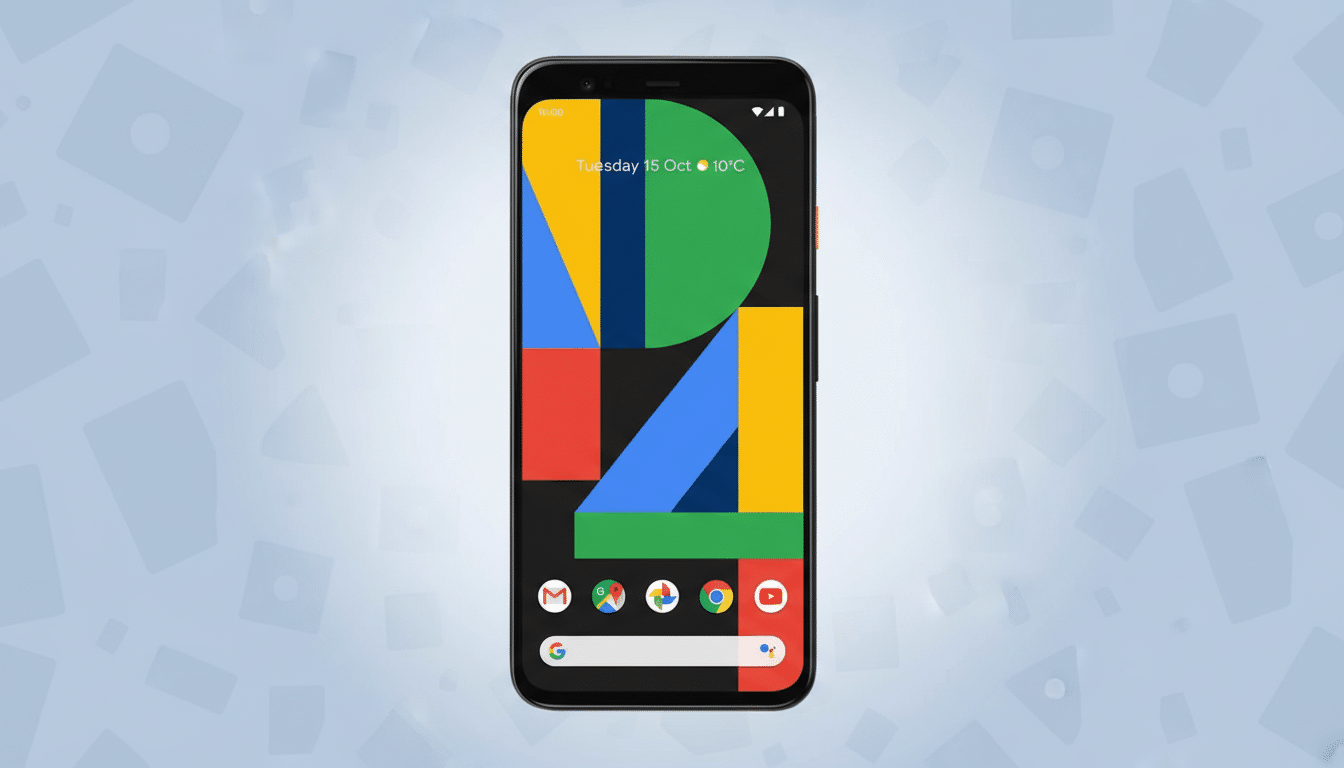
Android’s face unlock journey has been bumpy. The Pixel 4 combined IR emitters, a dot projector, and Soli radar to deliver fast, attention-aware 3D recognition, but the hardware was short‑lived. Google later reintroduced a camera‑based unlock on the Pixel 7 that was limited to the lock screen. With improved on‑device ML, recent Pixels elevated face unlock to “strong” biometric status for payments and sensitive app logins, but reliability still drops in low light or with challenging angles.
This is where Toscana matters. Industry evaluations such as NIST’s Face Recognition Vendor Test have long shown that systems benefiting from stable, near‑infrared illumination perform more consistently in poor lighting than visible‑light-only capture. Apple’s Face ID, which Apple advertises as having a very low false match likelihood, set the bar for always‑on dependability across lighting, motion, and accessories like glasses. Toscana appears designed to close that gap for Pixels without retracing the Pixel 4’s bulky sensor layout.
Hardware clues and design trade-offs for under-display IR
One open question is where Google will place any additional sensors required for robust 3D capture or liveness. People with knowledge of the effort say the company explored under‑display IR solutions for upcoming Pixels, a path that keeps the front glass clean while enabling night‑friendly illumination. Testers, however, saw a standard hole‑punch camera on the Pixel prototype. That could mean an under‑display module is still in play for later hardware, or that Google has found a way to multiplex IR and depth data without changing the cutout.
Chromebook prototypes used exposed boards and external cameras during trials—typical for early hardware. The ChromeOS angle is significant: face sign‑in is not a standard feature on Chromebooks today, which lean on fingerprints, PIN, or security keys. Toscana hints at a future where ChromeOS supports secure, multi‑user face unlock at the lock screen, bringing parity with premium laptops that offer IR camera login.
Security Stakes For Payments And Sign‑In
Any upgrade must meet Android’s Class 3 biometric standard to unlock payments, banking apps, and password managers. That means high resistance to spoofing, strong liveness detection, and low error rates under diverse conditions. Apple publicly cites a one‑in‑a‑million likelihood for an unintended Face ID match, setting consumer expectations for both safety and convenience. Toscana’s reported parity in speed will be meaningless without comparable anti‑spoofing—something IR depth, multi‑frame fusion, and attention detection can collectively provide.
On-device processing is equally critical. To satisfy privacy and enterprise requirements, modern face systems must build and store templates locally in secure enclaves and resist replay or injection attacks. Expect Toscana to lean on Google’s Tensor security core and trusted execution environments, along with the latest liveness models that evaluate reflectivity, micro‑motion, and depth cues rather than a single static image.
What it means for Chromebooks and shared device security
For education and enterprise fleets, reliable face unlock could streamline shared-device workflows, speed wake‑to‑work times, and reduce help‑desk tickets tied to forgotten credentials. Paired with passkeys and security keys, a strong biometric on ChromeOS would round out passwordless authentication. Admins would likely look for granular controls—enforcing face unlock only with liveness, disabling it for high‑risk roles, and requiring fallback to PIN or key when sensors are occluded.
The bigger picture is alignment across Google’s hardware. If Toscana ships on Pixels and Chromebooks, developers could target one consistent biometric capability and policy level, simplifying app behavior for banking, enterprise SSO, and identity providers.
What to watch next as Project Toscana nears potential launch
Keep an eye on three signals.
- Certification breadcrumbs: as devices approach launch, documentation around biometric class testing and regional compliance often surfaces.
- Hardware teardowns and supplier chatter about under-display IR components or dot projectors.
- Developer guidance in Android and ChromeOS release notes, which may telegraph new biometric APIs or enrollment flows.
Google has not publicly commented on Project Toscana, but internal testing suggests the company is serious about finally delivering a face unlock that works anywhere, anytime, without compromising design. If Toscana reaches shipping hardware as described, Pixels could shed one of their last day‑to‑night pain points—and Chromebook users might gain a frictionless, enterprise‑ready way to sign in.
