


Google’s next flagship may lean heavily into hardware security. A new leak points to a Titan M3 security chip debuting alongside the Tensor G6 in the Pixel 11 lineup, signaling the first substantial upgrade to Google’s dedicated security silicon since Titan M2 arrived with the Pixel 6 family.
What the latest Pixel 11 leak suggests about Titan M3
A known tipster on Telegram, Mystic Leaks, surfaced evidence that references “Google Epic” and “longjing,” identifiers believed to correspond to the Titan M3 codename and its firmware. Reporting by 9to5Google supports the interpretation that these strings are tied to the Tensor G6 platform expected in the Pixel 11 series.
- What the latest Pixel 11 leak suggests about Titan M3
- Why a new Titan security chip matters for Pixel 11
- What Titan M3 could enable for security and performance
- How a new Titan fits with Google’s Tensor G6 platform
- Context in the smartphone market for secure elements
- What to watch next as Pixel 11 security details emerge
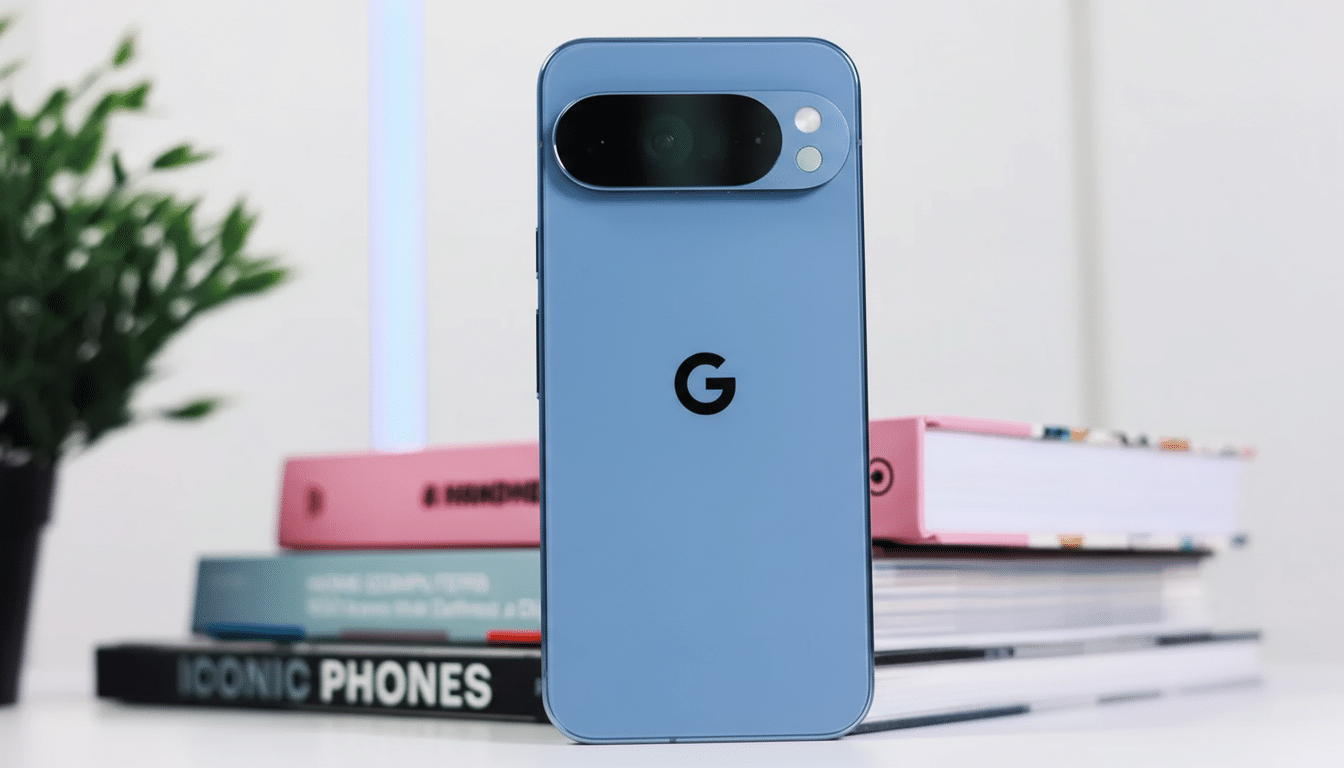
While technical specifics are scarce, the leak indicates Google is refreshing the secure element that anchors the Pixel’s trust model. That alone is notable: Google has iterated on software protections annually, but its last major hardware security step—Titan M2—dates back several generations.
Why a new Titan security chip matters for Pixel 11
Titan M2 has been the Pixel’s on-device guardian for keys, biometrics, and Verified Boot. It enforces the chain of trust from the moment the device powers on, implements rollback protection against older, exploitable firmware, and keeps storage encrypted until the first successful unlock. Google has publicly stated that Titan M2 is designed to withstand sophisticated techniques such as laser fault injection, electromagnetic analysis, and voltage glitching—attacks often aimed at prying secrets out of secure elements.
Hardware isolation is increasingly critical as phones become authentication hubs for banking, workplace access, and passkeys. According to Google’s Android Security team, the prevalence of potentially harmful apps on devices that install exclusively from Play remains below 0.1%, but threat actors continue to target device firmware, baseband stacks, and secure elements because those layers can yield outsized rewards if compromised. A stronger secure enclave can blunt entire classes of attacks rather than chasing them one by one in software.
What Titan M3 could enable for security and performance
Expect improvements in three areas: resilience, performance, and cryptographic agility. Resilience likely means hardened defenses against modern side-channel and fault attacks, plus stricter isolation of sensitive code and memory. Performance gains could speed up operations like biometric matching and key operations, reducing unlock and sign-in latency while improving energy efficiency.
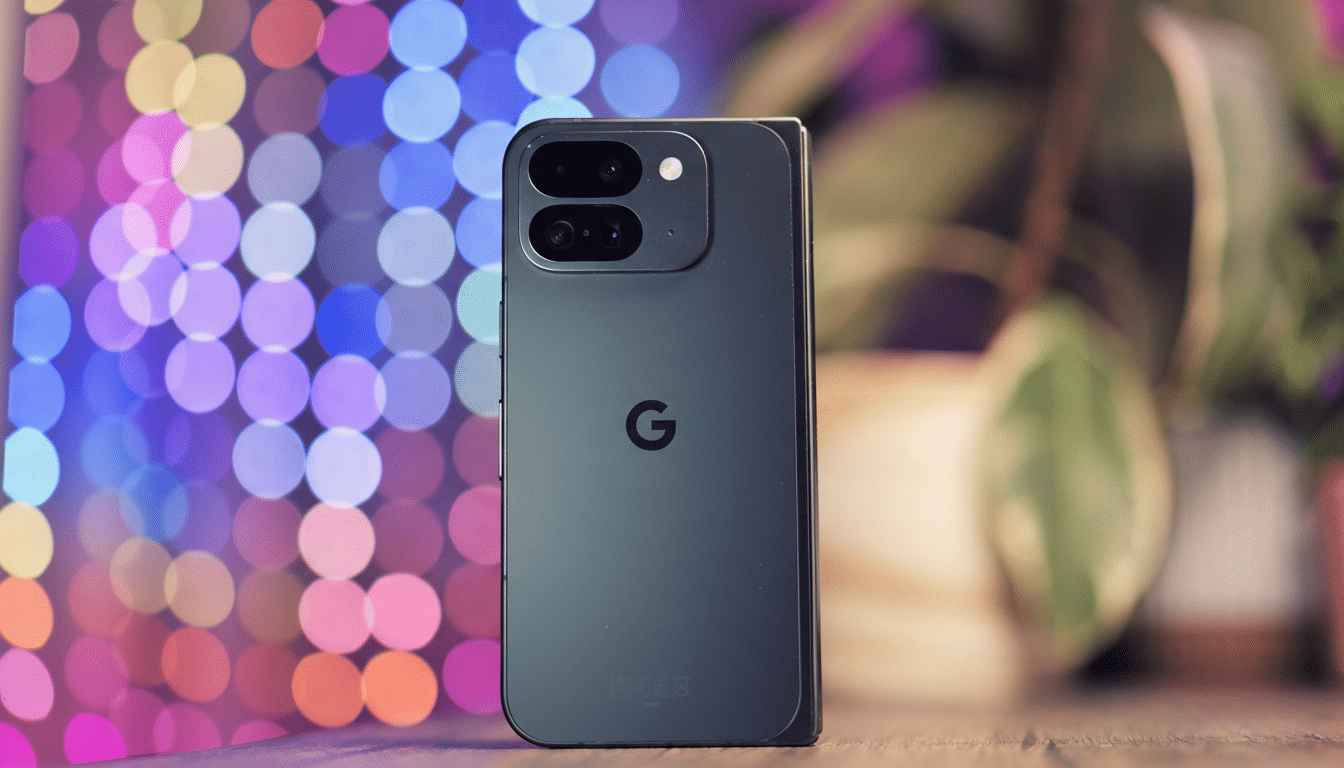
Cryptographic agility is the forward-looking piece. With standards bodies such as NIST advancing post-quantum primitives, a new secure element could add hardware paths for emerging algorithms, better random number generation, and expanded attestation features for enterprise fleets. That would pay dividends for features like passkeys, eSIM provisioning, and wallet credentials that depend on hardware-backed keys via StrongBox and the Android Keystore.
How a new Titan fits with Google’s Tensor G6 platform
The Titan line operates independently from the main application processor, but synergy matters: firmware interfaces, boot orchestration, and secure data paths tie the chips together. Rumors suggest the Tensor G6 could move to a newer manufacturing node and adopt a MediaTek M90 modem, which would also change the trust boundaries around the baseband. A refreshed secure element alongside a reworked SoC and modem stack could narrow attack surfaces and tighten compartmentalization between application, radio, and security domains.
If Google follows precedent, a Titan M3 would integrate with Android’s Verified Boot, SafetyNet and Play Integrity signals, and on-device machine learning features that increasingly guard against phishing, fraud, and malware. The result would be a platform where the CPU, modem, and secure element operate with clearer, hardware-enforced lines between them.
Context in the smartphone market for secure elements
Apple’s Secure Enclave and Samsung’s Knox Vault illustrate how vendors treat secure elements as long-term anchors for identity and payments. Google has been on a similar path with Titan, and it paired hardware investments with longer software support windows—recent Pixels promise years of security and feature updates. For businesses and public sector buyers who need assurances like Common Criteria or FIPS 140-3 certifications, a next-gen Titan could strengthen compliance narratives and zero-trust deployments.
What to watch next as Pixel 11 security details emerge
Key signals to look for include mention of StrongBox updates, new attestation capabilities, or references to post-quantum readiness in developer documentation. Any claims around independent lab evaluations or certification roadmaps would further validate the scope of the upgrade. Until official details land, the emerging picture is clear: Pixel 11 is shaping up to be as much a security story as it is a silicon one, with Titan M3 poised to be the headline addition.
