


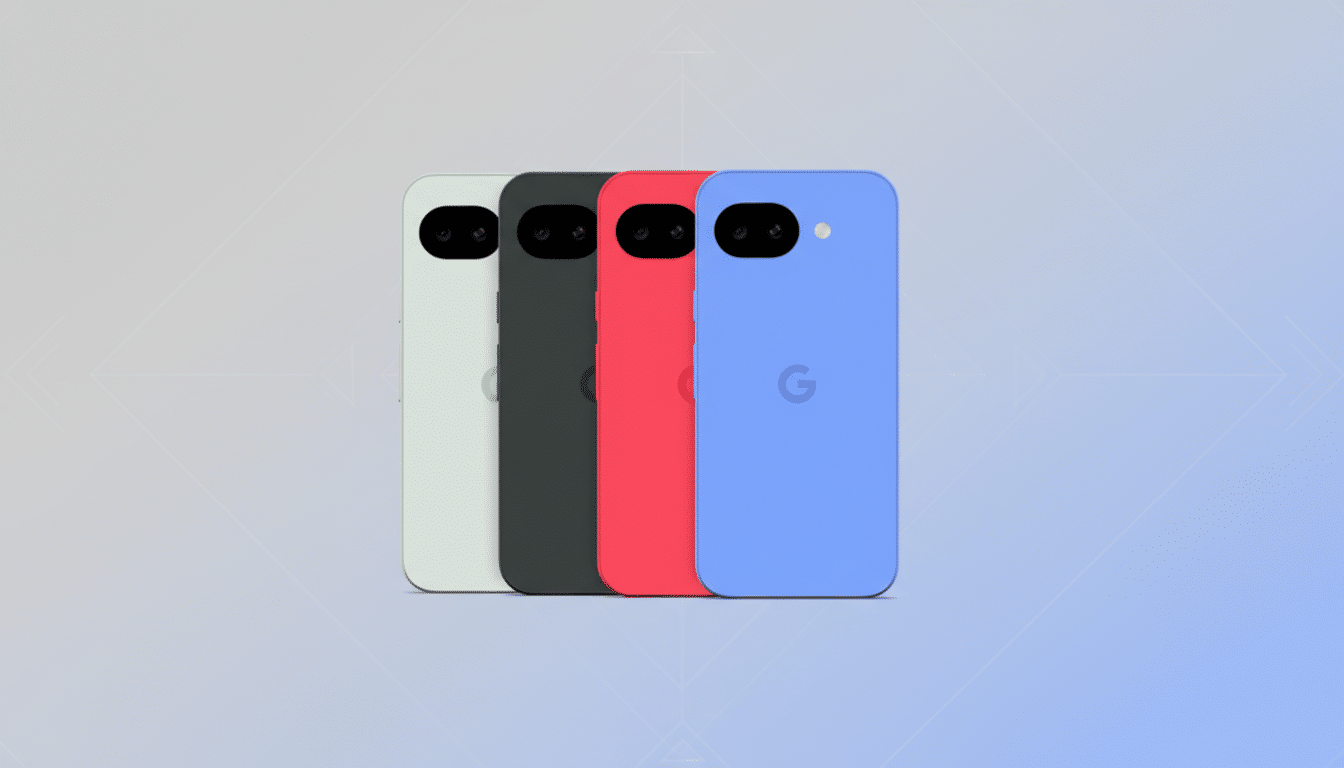
Google’s newest A‑series phone is official. The Pixel 10a arrives at $499 with a familiar formula—flagship-grade software intelligence, a proven camera stack, and restrained hardware tweaks—aimed squarely at buyers who want premium features without the premium price. Preorders open today, with deliveries slated to begin March 5, and the phone ships in Lavender, Berry, Fog, and Obsidian.
While the “a” line has always targeted value, the Pixel 10a leans harder into Google’s AI playbook, inheriting several tools from last year’s top-tier Pixel 10 series while keeping costs in check.
- Design and Display Refinements with a Brighter 6.3‑Inch Screen
- Cameras and On‑Device AI Raise Photo Quality Below $500
- Performance and Software Longevity with Tensor G4 Optimizations
- Battery Life Gains and New Safety Features Including Satellite SOS
- Market Context and Competition in the Crowded $499 Midrange
- Early Outlook: A Balanced Pixel 10a Focused on Longevity and Smarts

Design and Display Refinements with a Brighter 6.3‑Inch Screen
The Pixel 10a moves to a completely flat back. The camera bar now blends into the rear panel, so the phone lies flat on a desk and slides more cleanly into a case—small touches that reduce wobble and snag, but ones you notice daily.
Up front is a 6.3‑inch Actua display that Google says is 11% brighter than the Pixel 9a. That extra headroom should improve outdoor visibility—an area where midrange phones often compromise. Color options aside, the hardware design is deliberately understated; the screen and the software are meant to do the talking.
Cameras and On‑Device AI Raise Photo Quality Below $500
Google equips the Pixel 10a with a 48MP main camera and a 13MP ultrawide. The company is calling it the best camera on a phone under $500, and history is on its side: A‑series Pixels have routinely punched above their weight thanks to computational photography. Expect reliable skin tones, sharp detail, and low‑light performance that belies the price.
Several AI features debuting on the Pixel 10 family now land on the 10a. Auto Best Take captures a burst with a single press and automatically chooses the frame where everyone looks their best—a real fix for group photos where one blink can ruin the shot. Camera Coach offers step‑by‑step guidance on lighting and composition, giving casual shooters a gentle nudge toward better results without diving into manual controls.
Performance and Software Longevity with Tensor G4 Optimizations
Under the hood, the Pixel 10a runs the Tensor G4—the same chip that powered last year’s Pixel 9a—tuned for on‑device AI tasks like image processing and speech features. You’re not buying a benchmark monster here; you’re buying an experience where the silicon is optimized for the features you’ll actually use.
Crucially, Google is promising seven years of software and security updates. That commitment, which mirrors the broader Pixel strategy, is still unusual in the sub‑$500 tier. Research firms such as IDC have noted that extended support policies increasingly influence upgrade decisions in mature markets, and the 10a’s runway could be a deciding factor for budget‑minded buyers.
Battery Life Gains and New Safety Features Including Satellite SOS
Google rates the Pixel 10a for more than 30 hours of use on a charge, and up to 120 hours with Extreme Battery Saver enabled. Charging is faster than on the 9a, trimming top‑ups during busy days. As always, real‑world mileage will vary, but the combination suggests a phone designed to comfortably clear a full day and then some.
For the first time in the A‑series, Satellite SOS is on board, allowing users to reach emergency services when they’re off the grid without Wi‑Fi or cellular coverage. One notable omission: the 10a does not support the PixelSnap magnetic Qi system found on the Pixel 10, Pixel 10 Pro, and Pixel 10 Pro Fold, a trade‑off that helps hold the line on price.
Market Context and Competition in the Crowded $499 Midrange
The $499 price tag positions the Pixel 10a a notch below Apple’s expected iPhone 17e, widely anticipated to land at $599, the same price as last year’s 16e. That undercut matters: Counterpoint Research has highlighted steady demand in the mid‑tier as consumers extend replacement cycles, making value‑rich devices prime candidates for upgrade‑shy buyers.
Google is also rounding out the ecosystem play by adding new Berry and Fog colorways to the Pixel Buds 2a, matching the phone’s palette for shoppers looking to bundle. It’s a small touch, but consistent branding—and easy upsell—matters in a crowded midrange where Samsung’s A‑series and other Android rivals compete on spec sheets.
Early Outlook: A Balanced Pixel 10a Focused on Longevity and Smarts
The Pixel 10a doesn’t chase spec extremities; it doubles down on Google’s strengths. A brighter display, proven cameras augmented by genuinely useful AI, emergency satellite connectivity, and seven years of updates form a clear pitch: longevity and smarts over raw horsepower. For $499, that’s a compelling argument—especially for anyone who values great photos and reliable software support more than bleeding‑edge silicon.
