


A new leak, supposedly about the Galaxy S26 series camera hardware from Samsung, is pointing back towards a familiar spec sheet – and that’s not a good thing. If true, we may see an iteration-based lineup rather than the sort of optical leap which usually moves the goalposts for Android flagships.
What the Galaxy S26 camera leak reportedly reveals
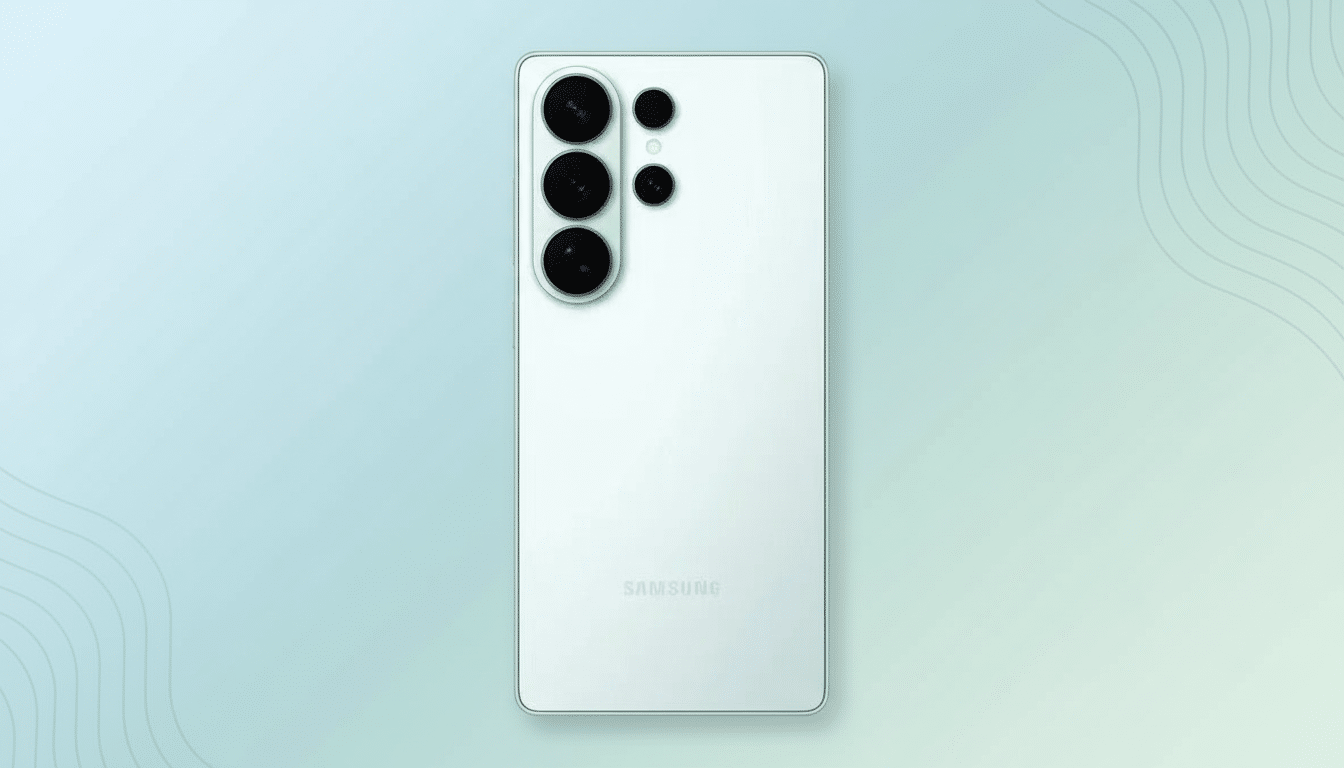
A supplier-centric report out of South Korea from ETNews claims that the Galaxy S26 Ultra will retain a 200MP primary sensor alongside a 50MP ultrawide and employ a dual-telephoto system of 10MP at 3x and 50MP at 5x; the Galaxy S26 Edge’s setup is said to have them swapped for a main camera of its own (200MP) paired with another ultrawide (50MP); meanwhile, the Galaxy S26 Pro may keep more conventional choices as far as its recording goes: it’ll use a downrated octa-array with a new laser autofocus system comprised of just four perimeter sensors flanking an RGBW quarter containing yet another, but smaller crying robin-eye lens (there’s no room for that in this article). All three are said to feature a 12MP selfie shooter.
- What the Galaxy S26 camera leak reportedly reveals
- A pattern of camera spec stagnation across models
- Why staying with the older hardware still matters
- Only one notable bump for the S26 Edge ultrawide
- Can software and silicon come to the rescue here?
- The competitive pressure on Samsung’s cameras is real
- Bottom line on the rumored Galaxy S26 camera strategy
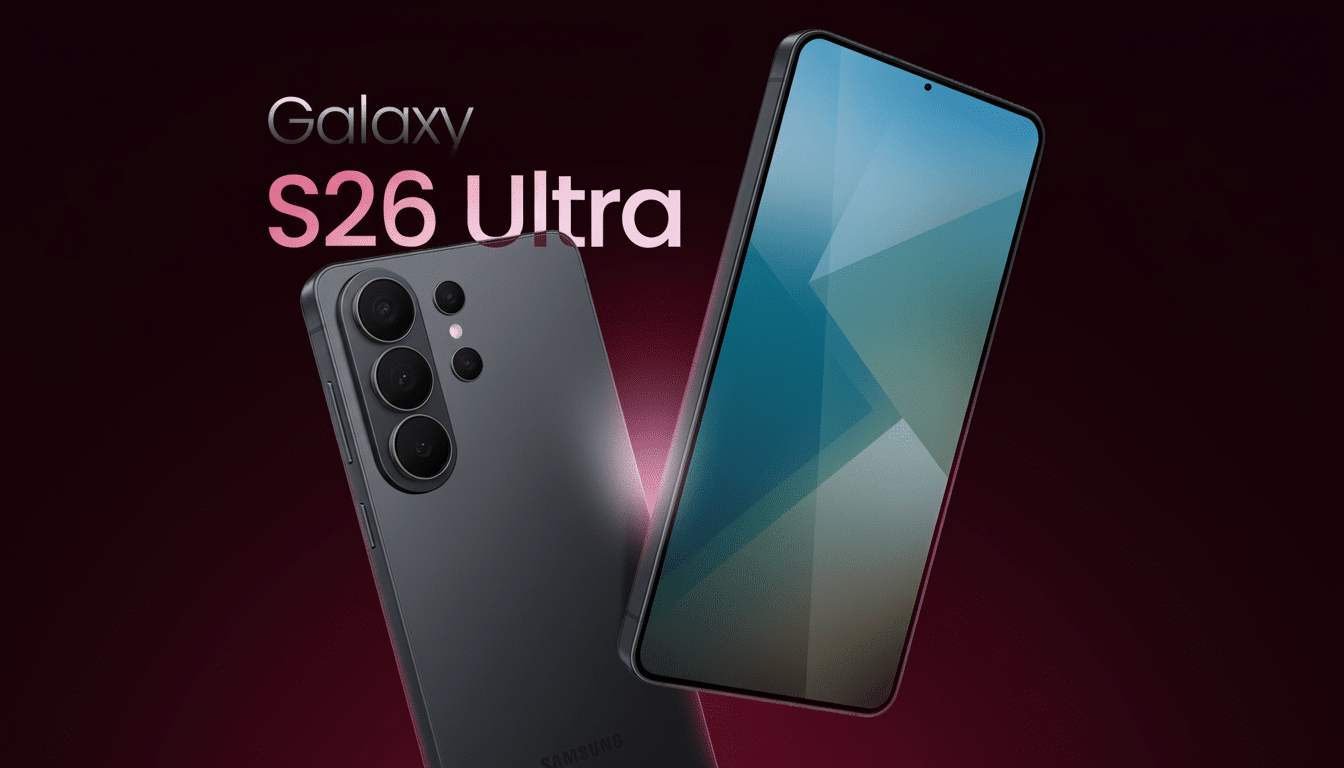
On paper, the only clear year-over-year bump is in the S26 Edge’s ultrawide, which jumps from 12MP to 50MP. Everything else sounds like a rehash of recent Samsung flagships.
A pattern of camera spec stagnation across models
If that holds, then the core camera stack of Samsung’s base/mid-tier S-series has gone four generations without a headline hardware upgrade. The S26 Ultra, traditionally the sandbox for experimental optics, also looks like it will adopt the basic setup of the S25 Ultra.
Consistency can be good — Samsung’s color science, autofocus and stabilization are some of the best in Android. But prolonged stretches without innovation at the sensor, lens or telephoto level does have a way of dropping the momentum ball to your more plainly iterating rivals.
Why staying with the older hardware still matters
These days, modern computational photography can squeeze darn impressive results even from ageing sensors, but physics still ultimately governs when it comes to low light, dynamic range and texture rendering. And with larger sensors, faster lenses and better optics also come cleaner shadows, more believable skin tones and steadier video that doesn’t require as much heavy-handed noise reduction.
Industry benchmarks reinforce this. Cameras with around 1-inch sensors and faster glass routinely place at the top of third-party rankings and blind tests. Similarly, Counterpoint Research’s bill-of-materials analyses have often found camera modules to be some of the most expensive in premium phones — implying that when vendors spend, they push the words because users cared.
Only one notable bump for the S26 Edge ultrawide
The rumored swap to a 50MP ultrawide on the S26 Edge, meanwhile, is welcome. Higher-resolution ultrawides can better retain detail at the edges of the frame, get more clean crops for action modes and better-looking video when aligned with advanced distortion correction.
But being high-res does not ensure quality. Ultrawide is a real question of lens sharpness, edge aberration control and sensor size. If the pixel pitch gets shorter without accompanying optics or a bigger sensor to offset that, low-light ultrawide photos might not actually look much better.
Can software and silicon come to the rescue here?
There could be a silver lining, though: murmurs relating to the S26 Ultra’s 200MP main camera are talking of an f/1.4 aperture instead of f/1.7, as has previously been mooted. That would increase light input by about 47% aka roughly half a stop, which would be great for night shots and ISO noise reduction if the optical stabilization is strong.
Combine that with next-gen image signal processors and NPUs, and Samsung may be able to push the envelope by driving multi-frame HDR, semantic segmentation or AI-based denoising.
The company has already full-on leaned into on-device AI; putting that muscle to work on texture recovery, face rendering and motion capture could result in visible improvements without those flashy hardware swaps.
Still, software has its limits. Too much processing can smear fine detail or create haloing, and it only does so much to compensate for lens-level deficiencies. Good camera phones have strong optics and there are only so many lenses and software tricks you can use to improve them.
The competitive pressure on Samsung’s cameras is real
Competition isn’t standing still. Chinese flagships from the likes of Xiaomi, Oppo and Vivo are still pursuing larger sensors, bright lenses and long periscope zooms — generally with 32MP or more front cameras. Recent Pixels from Google doubled down on telephoto quality and video pipelines. Other reports suggest Apple is considering higher-resolution ultrawide and front sensors in its new products.
That Samsung has stuck with a 12MP selfie camera over multiple generations now, according to the leak, is completely out of sync with market direction. For a generation that is really, really into content where people face the camera for videos or social posts, a better sensor and lens in the selfie side of things can be as seductive as a new periscope.
Bottom line on the rumored Galaxy S26 camera strategy
The Galaxy S26 camera leak hints at a conservative cycle: solid where it matters, light on breakout hardware plays. If it’s really mostly modest aperture changes and a single ultrawide improvement from Samsung, the brand is hoping that computational advances are enough to keep the story going — competing devices are pushing for a bigger sensor and more stand-out optics.
Samsung’s imaging heritage means it can squeeze more from established parts. But to maintain its flagship status unchallenged, the S-series requires real optical improvement rather than merely smarter algorithms. It’s now or never for the company to demonstrate that the S26 cameras are more than their spec sheet on paper.
