


Hiring the right people has never been simple. For most companies, the process involves dozens of moving parts, from writing job descriptions and posting them across platforms, to screening hundreds of applicants, scheduling interviews, and finally getting new hires settled in. It is a lot to manage, especially when HR teams are already stretched thin. That is where recruitment automation comes in. By using technology to handle repetitive and time-consuming tasks, companies can move faster, reduce errors, and give candidates a much better experience from the very first touchpoint.
This article walks through how automation is reshaping each stage of the hiring funnel, and why more organizations are choosing to build smarter, more efficient hiring processes.
The Hiring Funnel: A Quick Overview
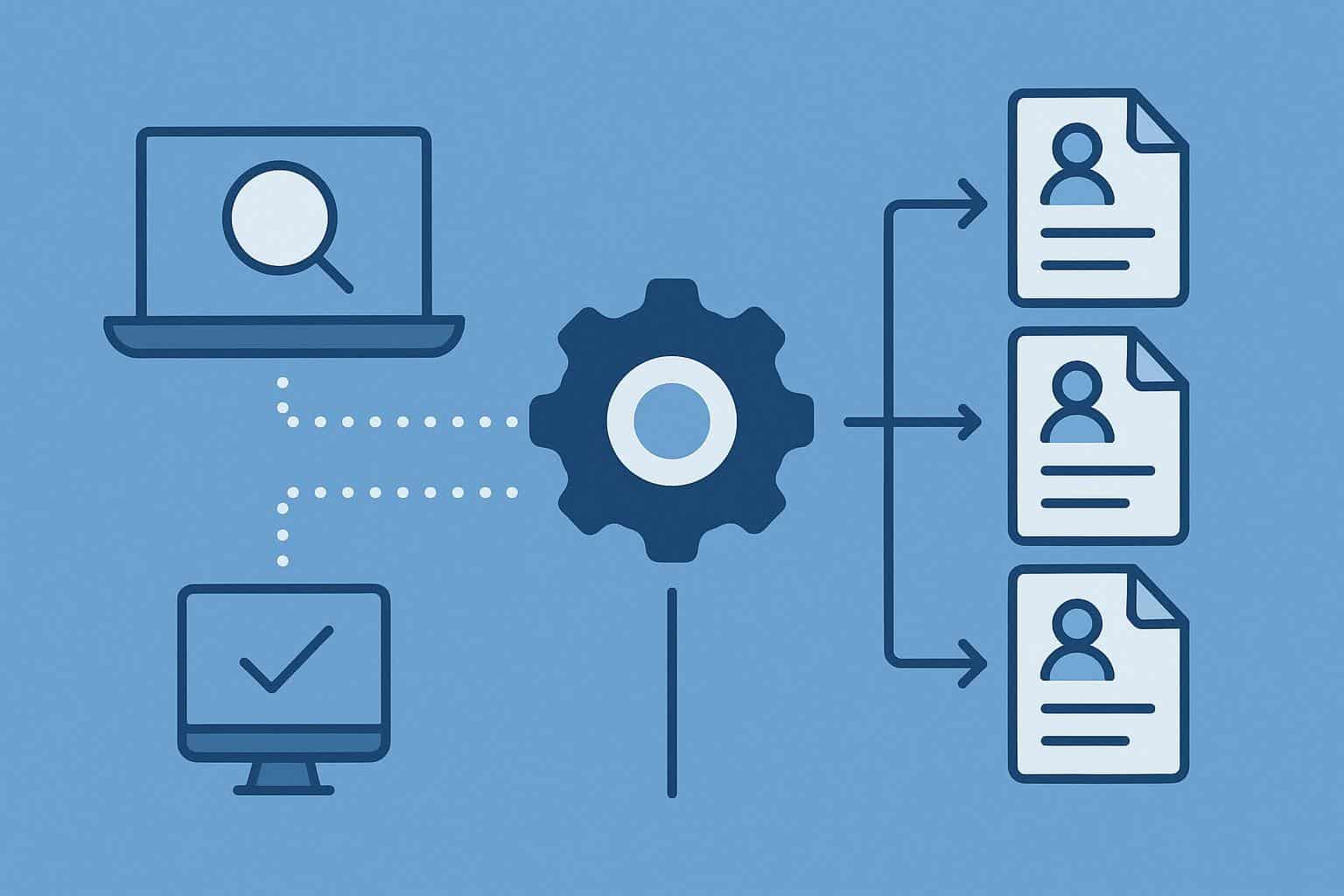
Before diving into how technology fits in, it helps to understand what the hiring funnel actually looks like. At the top, you have sourcing, which is the process of finding and attracting potential candidates. Below that comes screening and shortlisting, followed by interviews, assessments, offers, and finally onboarding. Each stage requires attention, communication, and coordination. When done manually, the entire process can take weeks or even months. When even a few of these steps are automated, the timeline shrinks considerably and the experience improves for everyone involved.
Why Manual Hiring Slows Teams Down
Most hiring delays do not happen because recruiters are not working hard enough. They happen because there is simply too much to do with too few hours in the day. Posting a job to multiple platforms, responding to every applicant, keeping candidates updated, coordinating interview schedules across different time zones, and chasing down feedback from hiring managers are all tasks that eat up enormous amounts of time. When any of these steps fall through the cracks, candidates lose interest, good applicants accept offers elsewhere, and the team is left starting over.
Sourcing Candidates More Efficiently
The hiring process starts long before a candidate submits an application. It starts with visibility. Companies need to be present on the right platforms, at the right time, with the right message. Doing this manually across job boards, social networks, and company career pages is incredibly time-intensive.
Automation tools can distribute job postings to multiple channels at once with a single action. Some platforms also use historical data and machine learning to recommend which channels tend to attract the most qualified candidates for specific roles. This means recruiters are not just casting a wide net. They are casting a smarter one.
Engaging Passive Candidates
Not every great hire is actively looking for a job. Many of the best candidates are already employed and simply open to the right opportunity. Reaching these passive candidates requires consistent, thoughtful outreach, which is difficult to maintain manually across a large talent pool. Automated messaging sequences allow recruiters to stay in touch with potential candidates over time without having to remember to follow up individually. When a relevant role opens up, the right people already have a relationship with the company.
Screening and Shortlisting at Scale
Once applications start coming in, the real work begins. For a popular role, a company might receive hundreds of applications within the first 24 hours. Reading through each one manually is not only exhausting but also introduces inconsistency. Different reviewers have different standards, and unconscious bias can easily creep into the process.
Recruitment automation addresses this by using predefined criteria to filter and rank applicants based on qualifications, experience, and other relevant factors. This does not mean replacing human judgment entirely. It means giving recruiters a cleaner, more organized starting point. Instead of sifting through 400 resumes, a recruiter might review the top 40 that the system has flagged as strong matches.
Keeping Candidates Informed
One of the most common complaints candidates have about the hiring process is a lack of communication. They apply, and then hear nothing for weeks. This silence is damaging to a company’s reputation and often causes good candidates to disengage entirely. Automated status updates and acknowledgment emails keep applicants informed at every stage without requiring a recruiter to send each message individually. It is a small detail, but it makes a significant difference in how candidates feel about the company.
Simplifying Interview Scheduling
Scheduling interviews is one of those tasks that sounds simple but often turns into an exhausting back-and-forth exchange of emails. Coordinating availability between candidates, recruiters, and hiring managers across busy calendars can take days. Automated scheduling tools solve this by giving candidates a link where they can view available time slots and book their own interview. The system then sends confirmations and reminders to everyone involved. What used to take multiple days now happens in minutes.
Structured Interviews and Digital Assessments
Beyond scheduling, automation also supports the interview process itself. Some companies use pre-recorded video interviews where candidates answer a standardized set of questions on their own time. This allows hiring teams to review responses at their convenience rather than coordinating live calls in the early stages of screening. Digital skills assessments can also be sent automatically after an application is received, giving the team objective data to work with before the first human conversation even takes place.
Making Offers and Managing Approvals
Once a final candidate has been selected, the offer process begins. This typically involves drafting offer letters, getting internal approvals, and ensuring that the details are accurate and compliant. Doing this through email chains and shared documents can introduce delays and version control issues.
Automated offer management tools allow teams to generate offer letters from pre-approved templates, route them for digital signature, and track where things stand in real time. Candidates receive a professional, clear offer quickly, and the internal team avoids the friction of manual back-and-forth.
Onboarding: Where the Funnel Ends and the Journey Begins
Onboarding is often the most overlooked stage of the hiring process, yet it has one of the biggest impacts on long-term employee retention. A new hire’s first few weeks shape their entire impression of the company. If those weeks are filled with confusion, missing equipment, and incomplete paperwork, the experience gets off to a poor start.
Recruitment automation can extend all the way into onboarding by triggering workflows the moment a candidate accepts an offer. IT teams receive requests to set up accounts and devices. HR receives prompts to prepare paperwork. Managers receive reminders to schedule welcome meetings. New hires receive a structured checklist of what to expect and what to complete before their first day. Everything moves in parallel rather than waiting for one person to remember the next step.
Building a Consistent Onboarding Experience
One of the underrated benefits of automating onboarding is consistency. When the process is manual, the quality of a new hire’s experience often depends entirely on how organized their manager is. Some new employees get thorough, thoughtful introductions to the company. Others are handed a laptop and left to figure things out. Automation ensures that every new hire, regardless of their team or department, goes through the same structured process and receives the same quality of support.
Conclusion
The hiring process is long, layered, and full of opportunities for things to go wrong. Every delay, every missed follow-up, and every poor candidate experience has a real cost. Teams that embrace smarter ways of working are finding that they can hire better people, faster, while spending less time on the administrative side of the process. From the moment a job goes live to the day a new employee walks through the door, a thoughtful approach to hiring technology helps everyone involved do their best work.

