


Although you might think sending apparel in the mail is easy, it doesn’t take long until you realize how quickly packaging errors can pop up. Things like damaged mailers, wet clothing, creased garments that won’t flatten out, or boxes that cost more to ship than the items inside are all common problems when shipping apparel. Apparel items have many advantages due to their lightweight, flexible, and forgiving properties, but they also have some disadvantages, such as being susceptible to moisture damage and pressure damage, and being sensitive to how they are presented when they are shipped.
Using the right type of packaging will protect your garment from damage while keeping your shipping costs down, and will impact the overall impression of your brand as soon as your customers open your package. Below are simple explanations of the most effective methods of shipping clothing, as well as an overview of how custom mylar bags fit into this equation.
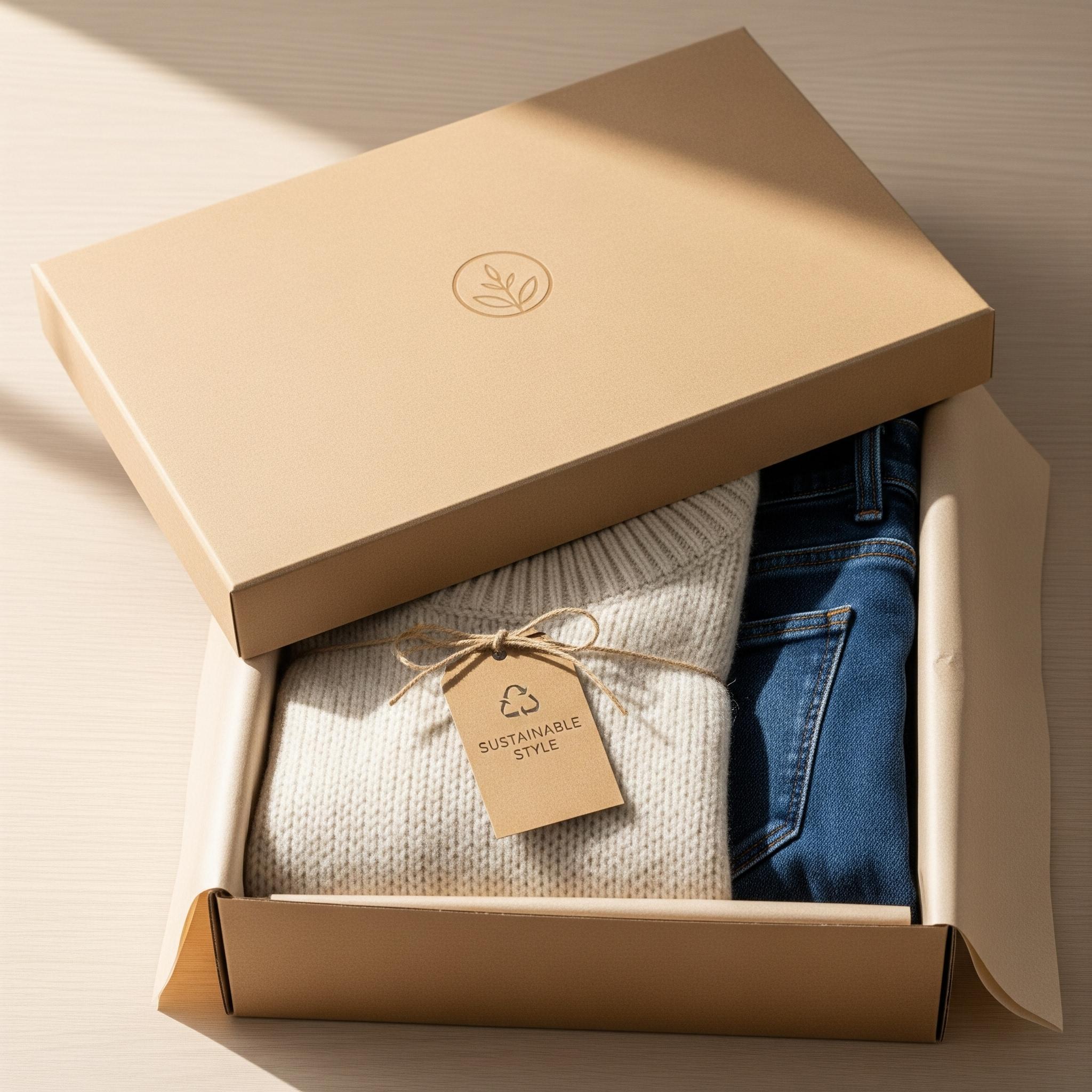
It is difficult to identify a single “best” packaging material for mailing clothing, as the type of clothing you are mailing, the shipping method used, and the level of customer satisfaction your brand wants to achieve all factor into what type of packaging is ultimately best. Poly mailers, Mylar bags and boxes generally provide further support for structured and/or luxury items, making them an ideal choice in that case.
The Importance of Garment Packaging
The packaging of garments should be an important consideration for all companies, as it serves multiple functions.
- Packaging protects clothes from moisture, dirt, and tearing;
- prevents wrinkles and deformities;
- minimizes shipping weight and dimensional cost;
- assists in maintaining a professional look, and reduces returns due to damage or poor presentation.
Due to the ability for garments to fold, stack, and compress, the fit of the packaging is much more important than for rigid products.
Poly Mailers: A Go-To Choice for Clothing Brands
For many clothing brands that ship items through e-commerce, shipping with poly mailers is standard practice.
Why Do Poly Mailers Work so Well?
Poly Mailers are:
- Cost-effective
- Ultra lightweight; they are not bulky and can be placed into smaller shipping boxes, which means shipping costs are reduced.
- Water-resistant; poly mailers effectively protect against moisture damage.
- More durable than paper.
- Easy and inexpensive to brand.
They are perfect for shipping items such as t-shirts, sweatshirts, leggings, socks, folded denim and most urban streetwear.
When Poly Mailers Do Not Work Well
- Coats or blazers; structured apparel often requires more protection in order to keep the shape of garments.
- Apparel with sharp hardware; they can cause damage to poly mailers.
- Premium products; if a company places a high value on presentation, a poly mailer will not satisfy that requirement.
Printed mylar bags: Improving Appearance
The demand for a printed mylar bag company is growing among apparel brands who want to improve protection of their products while also improving on appearance, without changing to cartons.
Why printed mylar bags are ideal for clothing
- The mylar material has great moisture and odor resistance
- Thicker and more durable than the average shopping/carton bag
- High puncture and tear resistance
- Maintains better shape during transport
- The printed mylar will give your brand a high-end feel
Although most people associate mylar with food and other items, mylar bags for clothing work exceptionally well, especially for limited run collections, influencer brand collaborations, and branded merchandise for companies.
Best times to use printed mylar bags for clothing
- Streetwear or other limited edition collections
- Shipping clothing with marketing materials such as inserts, as well as promotional buttons, stickers, keychains, etc.
- Shipping clothing purchased at trade shows, book fairs, festivals and expos
- Companies that plan on making their products feel “collectible” through the packaging alone
By putting resealable mylar bags into the customer’s hands, the value of your company continues long after the products are delivered. Many customers will reuse the mylar bags to store items, travel, store gym clothes, or even as gift wraps, keeping your logo in circulation longer.
Cardboard boxes: The most suitable for premium clothing
There are certain types of apparel that should still be shipped using cardboard boxes because shipping the apparel using a box is always the correct decision.
A Box Makes Sense When:
- For jackets, coats, suits, and dresses.
- Multi-item orders.
- Subscription boxes.
- Luxury or expensive clothing.
- Benefits Include:
- Crush protection is very strong.
- Can easily be stacked during shipping.
- There is room to add tissue paper and other inserts inside the box.
- It presents the items more favourably.
Disadvantages of Shipping in a Box Include:
- More expensive to ship due to the cost of shipping a heavier and larger item.
- More room must be available for storage.
- Higher cost per unit when shipping in boxes.
Most brands will use a combination of packaging types, with boxes being used only when the apparel requires structure and/or is of significant value.
Padded mailers: Valuable for certain types of items
Using a padded mailer provides some level of cushioning to the item being shipped but does not add much bulk compared to using a box.
Where to use padded mailers:
- Thin fabrics, such as garments, that contain metal fastenings, such as buttons and zippers
- Apparel shipments containing small accessory items
- Packages with a higher likelihood of being punctured during transit.
For normal apparel packaging, additional padding is not usually needed; however, with embellished or decorative items additional padding may be needed to help avoid damage during shipping.
Inner Packaging: It is more important than you think
Packaging on the inside is just as important as outer packaging for most people, but it will ultimately determine how your clothes arrive.
The most common inner materials and products include:
- Tissue paper to protect against friction
- Clear poly or Mylar inner bags to protect from moisture
- Paper wraps, or belly bands
- Care cards, or “thank you cards”
- A simple inner packaging setup has saved orders when outer packages could not be delivered.
Conclusion
There are different types of packaging materials, none of which is “best.” For most people’s clothing, the most common type of packaging is Poly Mailer. For some higher-end, dressy items (like tailored suits) and other structured and protective items, boxes are used as packaging. Custom Mylar Bags provide a unique solution for combining protection (from physical “damage”) with visual appeal.
The packaging you choose should protect your clothing product, be economical to produce and deliver, and reinforce any visual/marketable/brand messages you are trying to communicate through your business model.
