


Fast phone chargers are everywhere, but many users still wonder whether they actually make a meaningful difference compared to regular chargers. In reality, charging speed depends on more than just the charger itself—it’s influenced by your phone, cable, charging protocol, and even how full the battery already is. Understanding these factors can help you decide whether upgrading your phone charger is truly worth it.
What Is a Fast Phone Charger?
Before comparing fast chargers with regular ones, it’s important to define what “fast charging” really means. Not every charger labeled as “fast” will deliver higher speeds in real-world use.
- What Is a Fast Phone Charger?
- Typical Power Output of Fast Chargers
- Common Fast-Charging Standards (PD, QC, PPS, etc.)
- How Fast Chargers Communicate With Your Phone
- What Is a Regular Phone Charger?
- Standard Charging Power Explained (5W–10W)
- Why Regular Chargers Are Still Common
- Limitations of Traditional Charging
- Fast Charger vs Regular Charger: Key Differences
- Charging Speed and Time Comparison
- Power Output and Voltage Control
- Compatibility With Different Phones
- Is a Fast Charger Always Faster?
- Phone Hardware and Software Limits
- Battery Percentage and Charging Phases
- Heat Management and Speed Throttling
- Does Fast Charging Damage Your Phone Battery?
- Cable Quality and Its Impact on Charging Speed
- Wireless Fast Charging vs Wired Charging
- When Is a Fast Charger Worth It?
- Daily Commute vs Emergency Charging
- Travel and Busy Lifestyles
- Devices That Benefit Most From Fast Charging
- How to Choose the Right Charger for Your Phone
- Check Your Phone’s Max Charging Speed
- Match Charger Wattage and Protocol
- Safety Certifications and Brand Reliability
- Common Myths About Fast Phone Chargers
- “Fast Chargers Always Damage Batteries”
- “Higher Wattage Means Faster Charging”
- “Any Phone Can Use Fast Charging”
- Conclusion
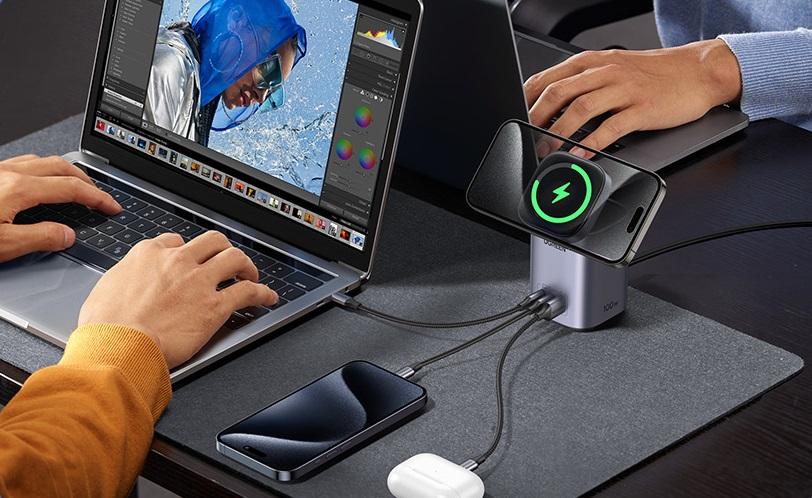
Typical Power Output of Fast Chargers
Fast chargers usually provide 18W, 25W, 30W, or even higher output, compared to traditional chargers that often top out at 5W or 10W. This higher wattage allows more power to flow into the phone during the early charging stages.
Common Fast-Charging Standards (PD, QC, PPS, etc.)
Fast charging relies on protocols such as USB Power Delivery (PD), Quick Charge (QC), and PPS. These standards allow the phone charger and phone to negotiate safe voltage and current levels before charging begins.
How Fast Chargers Communicate With Your Phone
A fast charger doesn’t force power into your phone. Instead, the phone requests what it can safely handle. If your device doesn’t support fast charging, the charger will fall back to standard speeds.
What Is a Regular Phone Charger?
Understanding the limitations of regular chargers helps explain why fast chargers can feel noticeably quicker under the right conditions.
Standard Charging Power Explained (5W–10W)
Most regular phone chargers deliver between 5W and 10W of power. This is enough for overnight charging but noticeably slower for quick top-ups during the day.
Why Regular Chargers Are Still Common
Regular chargers are inexpensive, widely compatible, and generate less heat. Many older devices and basic portable power banks still rely on standard charging speeds.
Limitations of Traditional Charging
The main drawback is time. Charging a modern smartphone with a regular charger can take twice as long compared to using a fast charger that the phone supports.
Fast Charger vs Regular Charger: Key Differences
While wattage is the most obvious difference, it’s not the only factor that separates fast chargers from regular ones.
Charging Speed and Time Comparison
When paired with a compatible phone, a fast charger can reach 50–60% battery in under 30 minutes. A regular charger may need over an hour to reach the same level.
Power Output and Voltage Control
Fast chargers dynamically adjust voltage and current, while regular chargers usually operate at a fixed output. This flexibility allows faster energy transfer without compromising safety.
Compatibility With Different Phones
Not all phones support fast charging. In such cases, even the best phone charger will behave like a regular one.
Is a Fast Charger Always Faster?
Many users assume fast chargers are always faster, but that’s only true when certain conditions are met.
Phone Hardware and Software Limits
Your phone’s internal charging controller ultimately determines the maximum speed. Software updates may also limit charging to protect battery health.
Battery Percentage and Charging Phases
Fast charging mainly works at low battery levels. Once the battery reaches around 80%, charging speed slows significantly—regardless of charger type.
Heat Management and Speed Throttling
If the phone heats up, charging speed is automatically reduced. This applies to wired chargers and wireless options alike.
Does Fast Charging Damage Your Phone Battery?
Battery health is one of the biggest concerns when it comes to fast charging, but modern devices are designed with this in mind.
Built-In Safety Protections
Smartphones include temperature sensors, voltage regulators, and software controls to prevent battery damage during fast charging.
Heat vs Charging Speed
Heat—not speed itself—is the main enemy of battery health. A quality fast charger that manages heat well is safer than a low-quality charger that overheats.
How Modern Phones Protect Battery Health
Many phones now slow charging overnight or pause charging at high percentages to reduce long-term battery wear.
Cable Quality and Its Impact on Charging Speed
Even with a powerful charger, the wrong cable can severely limit charging performance.
USB-A vs USB-C Cables
USB-C cables generally support higher power delivery than USB-A cables, making them essential for fast charging.
Why Some Cables Limit Fast Charging
Cheap or outdated cables may not support higher current, forcing the charger to fall back to slower speeds.
How to Identify a Fast-Charging Cable
Look for cables labeled as PD-compatible or rated for higher wattage. Certified cables are especially important when charging from Portable Power Banks.
Wireless Fast Charging vs Wired Charging
Wireless charging adds convenience, but it introduces trade-offs that affect speed and efficiency.
Wireless Charging Power Levels
Most Qi wireless chargers operate between 5W and 15W, which is slower than wired fast charging in many cases.
Efficiency and Heat Differences
Wireless charging generates more heat due to energy loss during transfer. A Qi wireless charger may reduce speed to manage temperature.
Wired vs Wireless Speed Comparison
Wired charging is generally faster and more efficient, while wireless charging prioritizes ease of use over speed.
When Is a Fast Charger Worth It?
Fast charging isn’t necessary for everyone, but it can be extremely useful in certain situations.
Daily Commute vs Emergency Charging
If you often need quick top-ups before leaving home, a fast charger is a clear advantage.
Travel and Busy Lifestyles
Fast chargers pair well with Portable Power Banks for travelers who rely on short charging windows.
Devices That Benefit Most From Fast Charging
Phones with large batteries benefit the most, especially when combined with modern fast-charging protocols.
How to Choose the Right Charger for Your Phone
Choosing the right charger is about compatibility and safety—not just wattage.
Check Your Phone’s Max Charging Speed
Always check your phone’s supported charging wattage before buying a new charger.
Match Charger Wattage and Protocol
A charger that matches both wattage and protocol ensures optimal performance without unnecessary heat.
Safety Certifications and Brand Reliability
Certified chargers reduce the risk of overheating and long-term battery damage.
Common Myths About Fast Phone Chargers
Fast charging is often misunderstood, leading to unnecessary concerns or unrealistic expectations.
“Fast Chargers Always Damage Batteries”
Modern devices are designed to handle fast charging safely.
“Higher Wattage Means Faster Charging”
Your phone only draws the power it supports, regardless of charger wattage.
“Any Phone Can Use Fast Charging”
Fast charging requires support from both the phone and the charger.
Conclusion
So, is a fast phone charger really faster than a regular one? The answer is yes—but only when your phone, cable, and charging protocol all work together. A compatible phone charger can significantly reduce charging time, while wireless options like a Qi wireless charger trade speed for convenience. By understanding your device’s limits and choosing the right accessories, including Portable Power Banks for on-the-go use, you can charge more efficiently without compromising battery health.
