


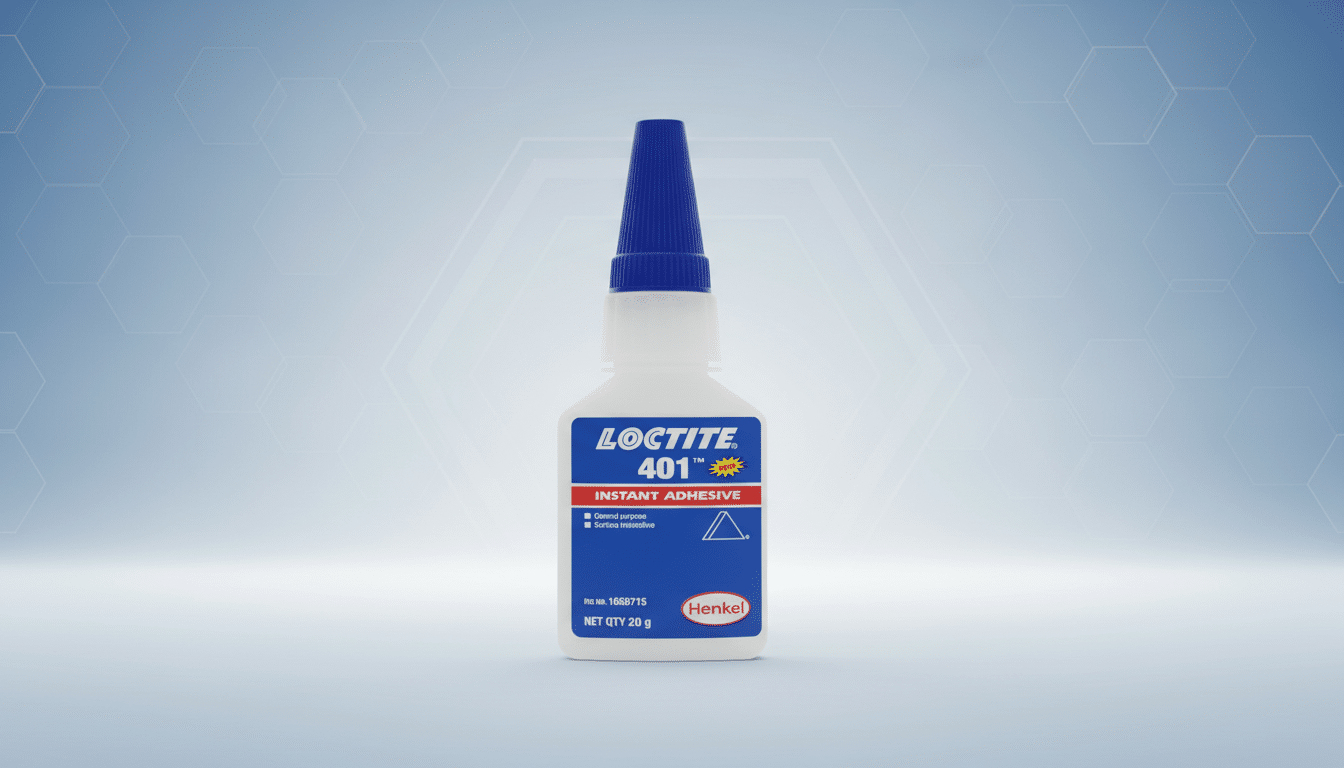
Super glue seems foolproof—dab, press, done—but adhesives engineers say that’s exactly how repairs fail. Cyanoacrylate, the family of fast-curing “super glues,” is designed for hairline joints and moisture-triggered polymerization, not thick blobs. Get those two basics right and even small tubes rival light-duty epoxies in strength. Get them wrong and you end up with brittle, weak, or messy bonds.
The Science Behind a Stronger Super Glue Bond
Cyanoacrylates cure when trace moisture on surfaces and in the air starts a rapid chain reaction. According to technical notes from adhesive makers such as Loctite and Permabond, the strongest bonds happen when two clean parts mate tightly with a very thin film of glue—often just a sheen you can barely see. Typical lap-shear strengths run roughly 1,000–3,000 psi on common substrates under ASTM D1002, but only when the bond line is thin and the fit is precise.
- The Science Behind a Stronger Super Glue Bond
- Prep Like a Pro for Reliable Super Glue Bonds
- Choose the Right Viscosity for Super Glue Repairs
- Fix Gaps the Right Way with Fillers and Glue
- Avoid These Common Mistakes When Using Super Glue
- Safety and Smart Use Tips for Cyanoacrylate Glue
- Storage Tips to Extend Super Glue Shelf Life
- When Super Glue Isn’t the Right Choice for Repairs
- Why This Matters for Stronger, Longer-Lasting Repairs
Humidity matters. Most products cure fastest at roughly 40–60% relative humidity; too dry and the glue stays gummy, too wet and you can get chalky “blooming.” Temperature matters too, with many cyanoacrylates performing best near room temperature.
Prep Like a Pro for Reliable Super Glue Bonds
Clean both surfaces thoroughly. Remove oils and fingerprints with isopropyl alcohol (90%+ is ideal), then let it evaporate. For metals and many plastics, a light scuff with 200–400 grit paper increases surface area and improves adhesion. Dry fit the parts first to confirm alignment—super glue cures quickly and rarely forgives repositioning.
Apply less than you think. Use a micro-applicator, toothpick, or a needle-tip bottle to lay down a tiny bead or even just dampen the surface. Press the parts together firmly and hold or clamp. Resist the urge to “butter” both sides—excess glue starves the joint of air and creates a thick, brittle mass that can snap under light stress.
Choose the Right Viscosity for Super Glue Repairs
Thin cyanoacrylates wick into tight cracks and capillaries, perfect for hairline fractures in plastics, wood, and ceramics. Gel or “high-viscosity” formulas stay where you put them, making them better for vertical surfaces or slightly uneven joints. As 3M’s application guides note, match viscosity to joint geometry—thin for fits, gel for gaps.
Fix Gaps the Right Way with Fillers and Glue
Super glue is not a gap filler by itself. If you can still see a crack, use a filler plus glue. A popular DIY trick is baking soda: sprinkle it into the gap, then add a drop of thin cyanoacrylate. It cures nearly instantly into a hard composite you can sand and drill. Use tiny amounts—this reaction is exothermic and can get hot.
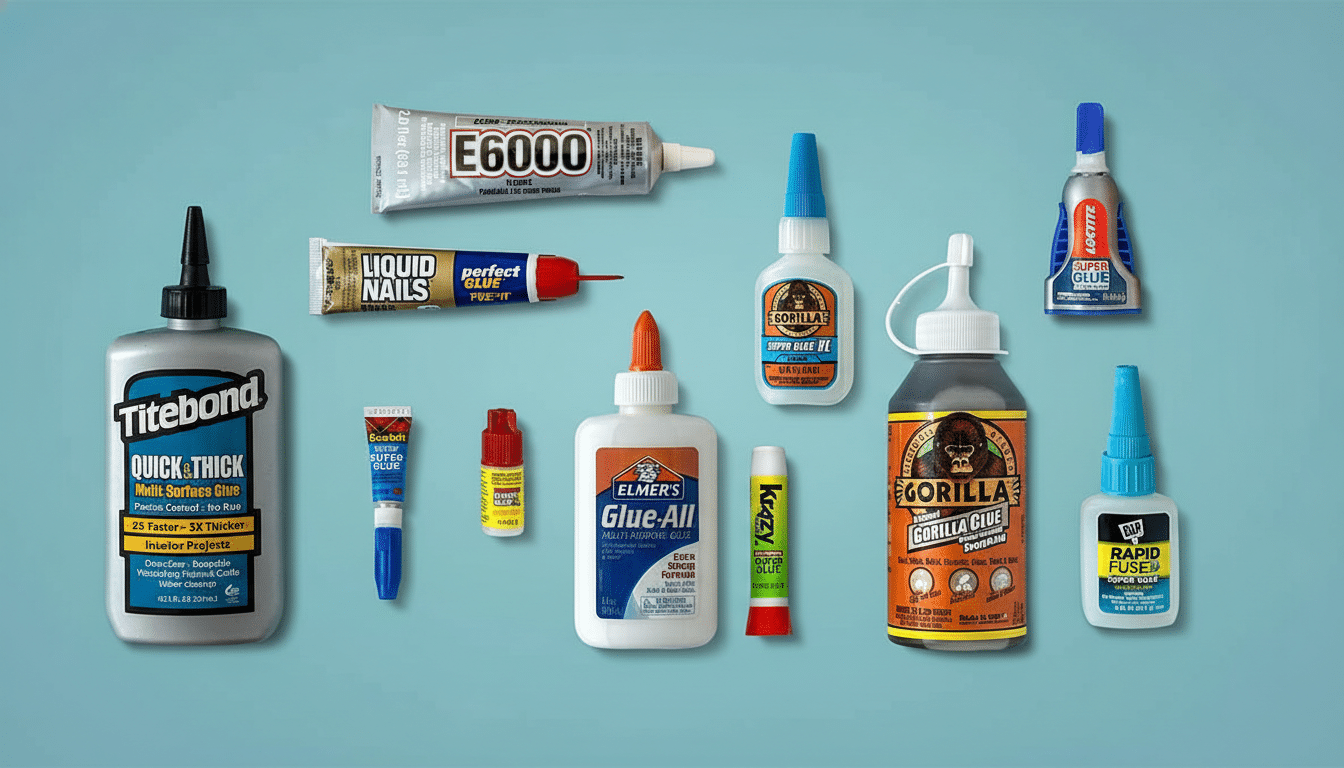
For a cleaner, engineered approach, kits like Q-Bond or professional-grade reinforcing powders bond with cyanoacrylate to bridge larger voids or rebuild missing plastic. Activator sprays (often amine-based) can also force instant cure when clamping is impractical, though overuse increases whitening on glossy surfaces.
Avoid These Common Mistakes When Using Super Glue
- Using too much glue. A thick layer cures slower, becomes brittle, and dramatically lowers strength. Think “mist,” not puddle.
- Skipping surface prep. Oil, dust, and mold release agents on plastics kill bonds. Clean every time, even on new parts.
- Fighting the clock. “Sets in seconds” doesn’t mean full strength. Most cyanoacrylates hit handling strength in under a minute, but keep clamped for several minutes and avoid heavy loads for 24 hours.
- Choosing the wrong formula. Some grades attack or craze clear plastics like polycarbonate or acrylic. Low-odor/low-bloom formulas or plastic-safe variants reduce fogging on optics and cases.
Safety and Smart Use Tips for Cyanoacrylate Glue
Wear nitrile gloves and eye protection; cyanoacrylate bonds skin instantly. If fingers stick, don’t pull—slowly roll them apart after soaking in warm, soapy water, or use acetone-based debonder. The American Association of Poison Control Centers tracks thousands of glue exposure calls annually, most involving skin or eye contact; ventilation and care prevent the vast majority.
For cuts, leave closures to medical-grade products such as 2-octyl cyanoacrylate, which the FDA classifies and regulates for topical use. Hardware-store glues are not designed for living tissue and may irritate skin.
Storage Tips to Extend Super Glue Shelf Life
Moisture is the enemy in the bottle. Wipe the nozzle, cap tightly, and store upright in a sealed bag with desiccant. Many manufacturers note that refrigeration can extend open-bottle life—just let the container return to room temperature before opening to avoid condensation. Single-use tubes minimize waste if you glue infrequently.
When Super Glue Isn’t the Right Choice for Repairs
Cyanoacrylate excels at rigid, close-fitting parts, but it’s poor for flexible joints, high heat (often above ~80–100°C), or prolonged water exposure. For those, switch to two-part epoxy, polyurethane, or specialized plastic welders. UV-cured adhesives can outperform super glue on soft or translucent plastics where light can penetrate.
Why This Matters for Stronger, Longer-Lasting Repairs
The cyanoacrylate market is large and growing—industry analyses from firms such as Grand View Research value it in the billions with steady single-digit CAGR—yet a high share of consumer failures trace back to simple misuse. Follow the physics: clean surfaces, tight fits, minimal glue, proper clamping, and the right formula. Do that, and your “instant” repairs stop popping apart and start lasting.
