


Electrical safety pros are renewing guidance on ground fault circuit interrupter outlets, better known as GFCIs, after code updates and new devices have widened their use across homes. If you know how these outlets work—and what should never rely on them—you reduce nuisance trips and, more importantly, reduce shock risk where water and electricity meet.
What a GFCI Outlet Does and How It Protects You
A GFCI outlet constantly compares the electricity leaving on the hot wire to the electricity returning on the neutral. If even a tiny mismatch appears—typically 4–6 milliamps—it assumes current is leaking somewhere unsafe, such as through a wet surface or a human body, and it cuts power in about 1/40 of a second. That performance is required by UL 943, the safety standard most GFCIs are built to meet.
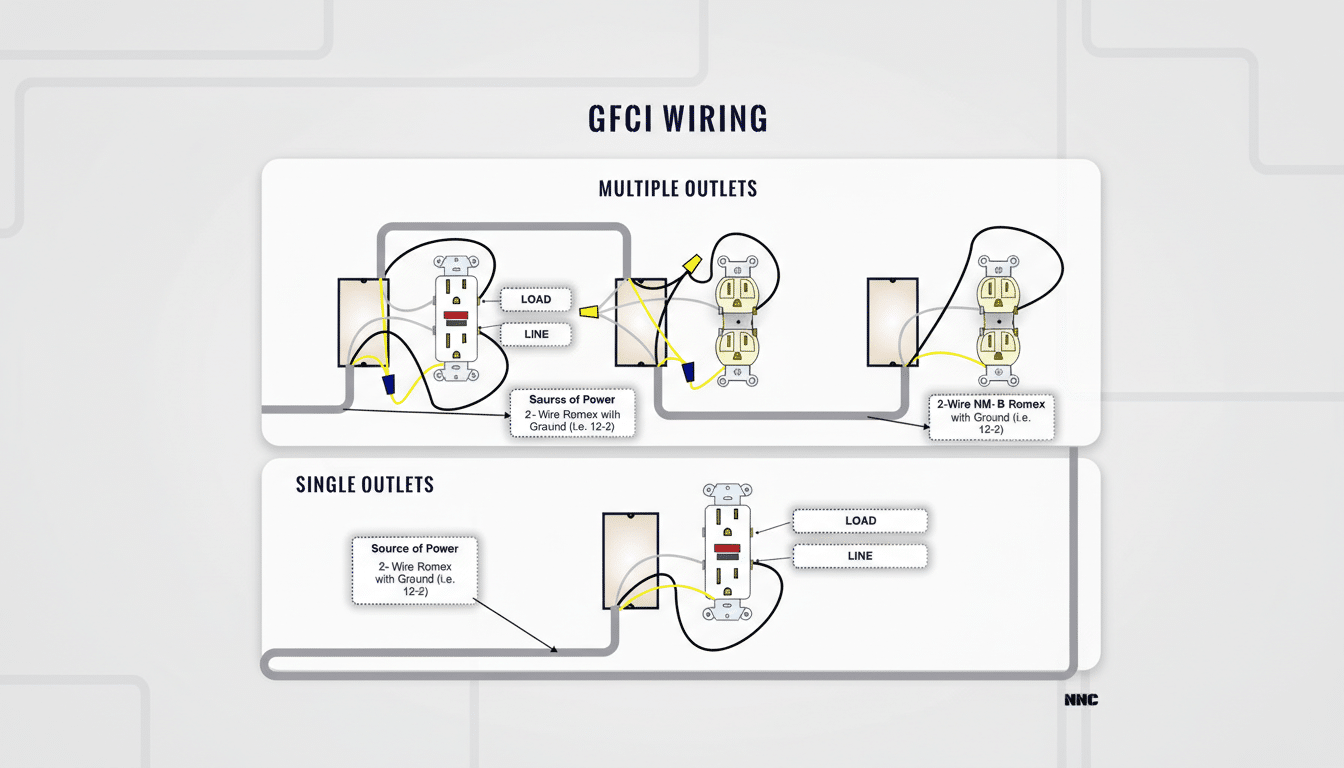
The National Electrical Code, published by the NFPA and adopted by local jurisdictions, now calls for GFCI protection in kitchens, bathrooms, laundry areas, basements, garages, and outdoor receptacles, and for a broader range of voltages than in decades past. The goal is simple: interrupt a dangerous fault before it becomes a shock or a fire.
Notably, medical and safety literature from organizations such as OSHA and IEC shows that currents around 30 mA can induce ventricular fibrillation. GFCIs act well below that threshold, which is why they are among the most effective consumer shock-prevention devices ever deployed.
How to Identify GFCI Outlets and Safely Test Them
Most receptacle-style GFCIs have Test and Reset buttons and a status LED. Press Test monthly; power should drop immediately. Press Reset to restore. Many newer models include automatic self-testing and end-of-life indicators per recent UL 943 revisions. GFCI protection can also live in a circuit breaker or in a portable adapter—useful for outdoor tools and temporary power.
Why Some Devices Do Not Belong on GFCIs at Home
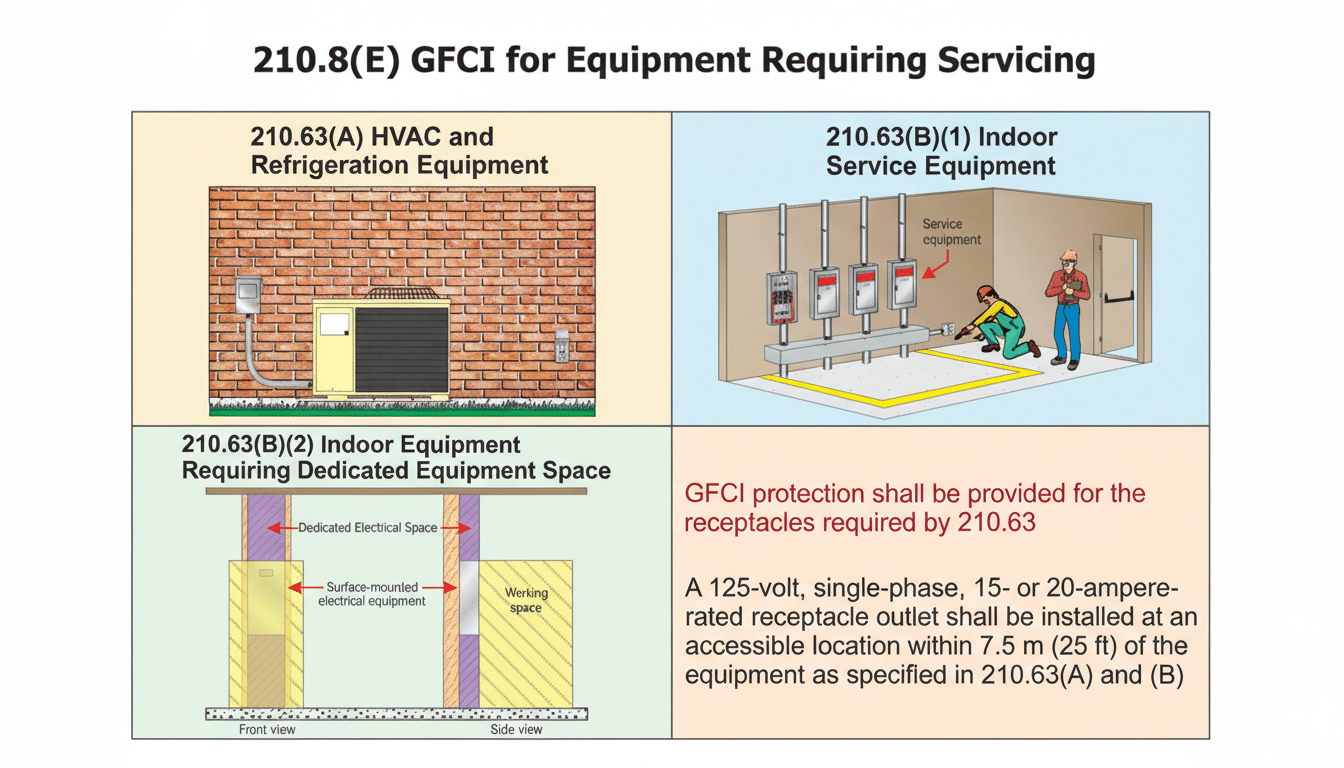
Two realities drive the “don’t plug it here” list. First, appliances with motors, heating elements, or electronic filters can create leakage current or inrush spikes that cause nuisance tripping. Second, some equipment must not lose power unexpectedly because the consequences are severe—spoiled food, flooded basements, or risks to health. Where codes require GFCI protection in these cases, electricians mitigate with dedicated circuits, alarms, and regular testing.
Five Household Items to Keep Off GFCIs and Why
- Refrigerators and Freezers: Compressor inrush, defrost heaters, and built-in EMI filters can create small leakage currents that trip a GFCI even when nothing is “wrong.” A nuisance trip can silently warm food. Many electricians prefer a dedicated, non-GFCI receptacle for these appliances where permitted; if local code mandates GFCI, use a dedicated circuit and an audible temperature or power-loss alarm.
- Sump Pumps: The worst time to lose power is during a storm. Pumps can have long cords, moisture exposure, and motor leakage that trip protection devices. Where allowed, pros often install a dedicated, non-GFCI receptacle with a high-quality pump alarm and battery backup. If your jurisdiction requires GFCI in the basement, minimize trips with a dedicated circuit, proper bonding, and frequent testing—and consider a backup pump.
- Medical Devices Requiring Continuous Operation: CPAP machines, oxygen concentrators, and home-infusion or dialysis equipment should not be on circuits prone to nuisance trips. Manufacturers and healthcare providers often recommend dedicated, non-GFCI receptacles or medical-grade power where available. Never use these devices in wet locations; keep them on stable, dry circuits with surge protection as specified by the manufacturer.
- Space Heaters and Portable AC Units: High-wattage resistive loads and compressor motors draw heavy inrush and can produce slight leakage, tripping a GFCI. These appliances perform best on dedicated, properly sized circuits. If a heater repeatedly trips a GFCI, treat it as a safety signal and relocate it to a suitable outlet or upgrade the circuit under a licensed electrician’s guidance.
- UPS Battery Backups and Surge-Protecting Power Strips: Many UPS units and premium surge strips include filters that intentionally leak a few milliamps to ground, which can exceed a GFCI’s threshold when combined with connected loads. Manufacturers frequently advise using standard grounded receptacles for UPS input. Keep the UPS away from wet areas and follow the device’s installation manual.
Key Exceptions and the Evolving GFCI Code Reality
Codes evolve. Some jurisdictions now require GFCI protection for receptacles serving appliances that historically were exempt, including garage freezers or basement pumps. Always check local code or consult a licensed electrician. When GFCI protection is required for a “constant power” appliance, risk can be reduced with dedicated circuits, quality devices listed to UL 943, routine testing, clear labeling, and add-on alarms.
Pro Tips for GFCI Reliability, Safety, and Fewer Trips
Use GFCIs in all wet or damp locations as required by the NEC. Keep motors and heaters on dedicated circuits sized to their loads. Replace any GFCI that will not Reset after a successful Test. Avoid daisy-chaining power strips. If a GFCI trips, investigate the cause rather than repeatedly resetting it—the device is signaling a fault.
The Consumer Product Safety Commission and NFPA both credit wider GFCI adoption and modern wiring practices with major reductions in fatal shock incidents. When you pair that protection with smart placement and the right outlets for the right loads, you get the best of both worlds: life-saving protection where it’s needed and reliable power where it’s critical.

