


A years-long legal showdown has swerved into a business pact: Epic Games and Google have quietly agreed to a six-year partnership valued at roughly $800 million, a deal disclosed in a San Francisco courtroom and now rippling through the Android ecosystem.
According to court discussions and filings, Epic will purchase a broad slate of Google services while Google gains deeper technical access to Epic’s Unreal Engine and commits promotional muscle behind Fortnite and other Epic properties on Android. The revelation prompted the presiding judge, James Donato, to probe whether the arrangement undercuts Epic’s push for sweeping Play Store reforms.

What The Epic–Google Deal Covers Across Android
Documents presented in court describe a strategic tie-up that blends joint marketing with product development. The headline figure centers on Epic spending around $800 million over six years on Google’s cloud, ads, and other enterprise offerings, while Google, in return, leans in on distribution, discoverability, and technical collaboration.
A notable piece is Unreal Engine integration. Google is expected to work more closely with Epic to optimize the engine’s performance on Android and related platforms, an effort that could touch everything from GPU drivers and Vulkan APIs to asset streaming and install sizes. The marketing component suggests renewed momentum for Fortnite’s visibility on Android, alongside potential spotlights for Epic’s store and ecosystem tools.
From Antitrust Clash To Cooperation Between Rivals
The business détente arrives after Epic accused Google in 2020 of unlawfully locking down Android app distribution and payments. A federal jury later found elements of Google’s Play Store conduct violated antitrust law, raising the specter of injunctive changes to fees, billing, and sideloading rules. Even before the verdict, Google had trimmed commissions for many developers to 15% and piloted alternative billing with select partners like Spotify.
In the latest hearing, Judge Donato pressed whether Epic’s private benefits could blunt systemic fixes that would affect all Android developers, a point that lands squarely in the public-interest calculus of antitrust remedies. Organizations such as the Coalition for App Fairness have long argued that platform-level reforms matter more than bespoke deals, particularly for smaller studios.
Why Unreal Engine Access Matters For Android Gaming
Unreal Engine is among the most widely used game development platforms, powering mobile hits like PUBG Mobile as well as cross-platform blockbusters. Deep collaboration with Google could yield tangible gains for Android gaming: faster load times, smoother performance across the vast device spectrum, and better tooling for features like high refresh rates or adaptive performance.
For Google, making Android the most performant target for Unreal developers strengthens its hand in a market where premium games often arrive first on PC and consoles. It also supports initiatives such as Play Games on PC and cloud-forward experiences. For Epic, tighter platform support lowers friction for its developer community and raises the appeal of its tools and marketplace.
What It Means For Developers And Players
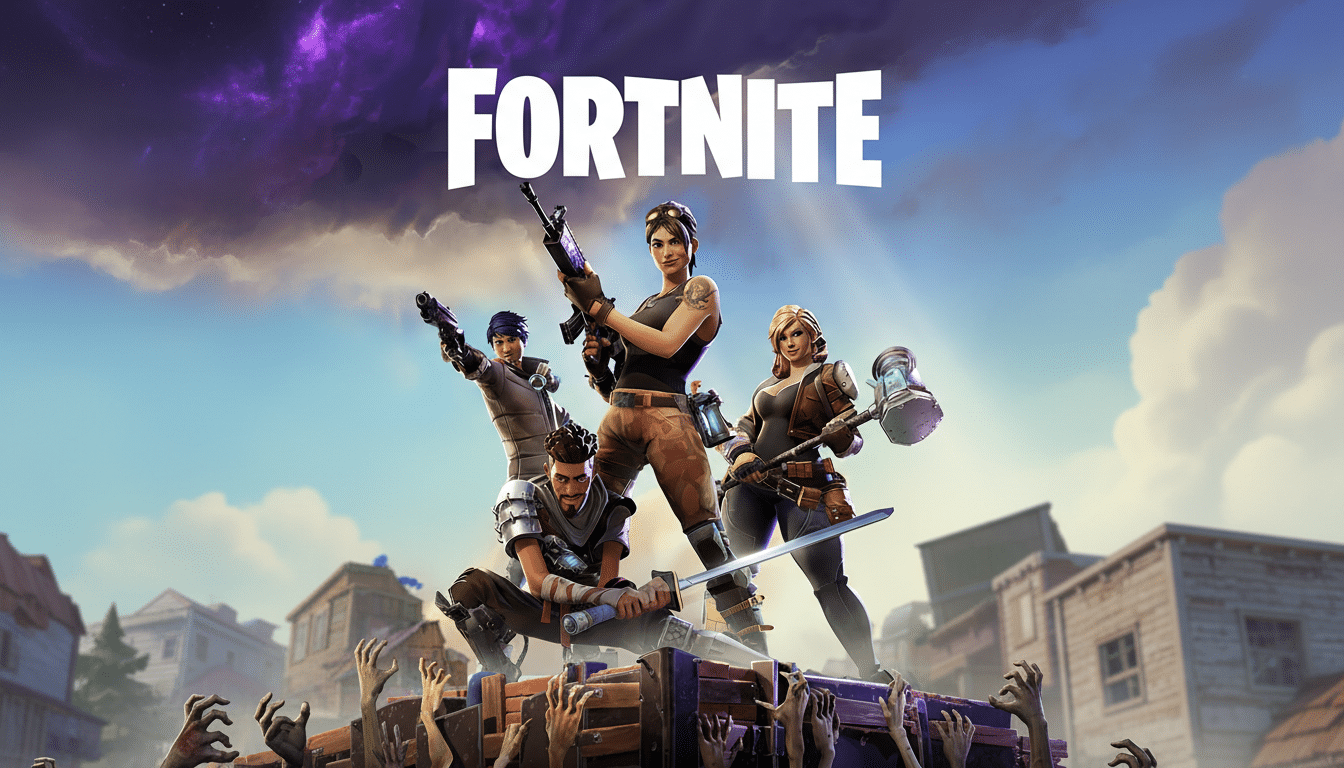
If Fortnite reappears prominently on Android, gamers gain a cleaner path to a marquee title that has historically skirted Play Store distribution. The bigger question is whether any forthcoming court-ordered remedies still deliver cross-industry benefits on fees, choice of billing, and app store competition.
The stakes are high. Estimates from Sensor Tower peg 2023 consumer spend on Google Play near $47 billion, and a large share of mobile game revenue passes through the platform. Even modest shifts in policy—say, broader eligibility for 15% fees or normalized third-party billing—could reallocate billions and reshape acquisition strategies across mobile studios.
Conversely, if the alliance functions as a one-off accommodation, smaller developers may see little change. Industry groups and policy analysts will be watching whether court supervision enforces transparent, platform-wide rules instead of leaving the market to bespoke partnerships.
The Open Questions And Uncertainties Around The Pact
Key uncertainties remain: how the partnership interacts with any injunctive relief in the case, what metrics govern Google’s promotion of Epic titles, and how deep the technical pipeline runs between Unreal Engine teams and Android platform engineers.
Expect scrutiny from regulators and developers alike as the court weighs remedies and the companies operationalize their agreement. If the collaboration truly optimizes Android for Unreal while preserving meaningful choice in payments and distribution, it could mark a rare win-win. If it simply swaps litigation for preferential treatment, the broader reform movement may stall at the moment it was poised to accelerate.
The disclosure, first surfaced through court proceedings and reporting from outlets closely tracking the case, reframes an adversarial saga into a cautious alliance. The next filings—and how quickly users see real-world changes—will determine whether this pivot is principled transformation or just expedient peace.
