


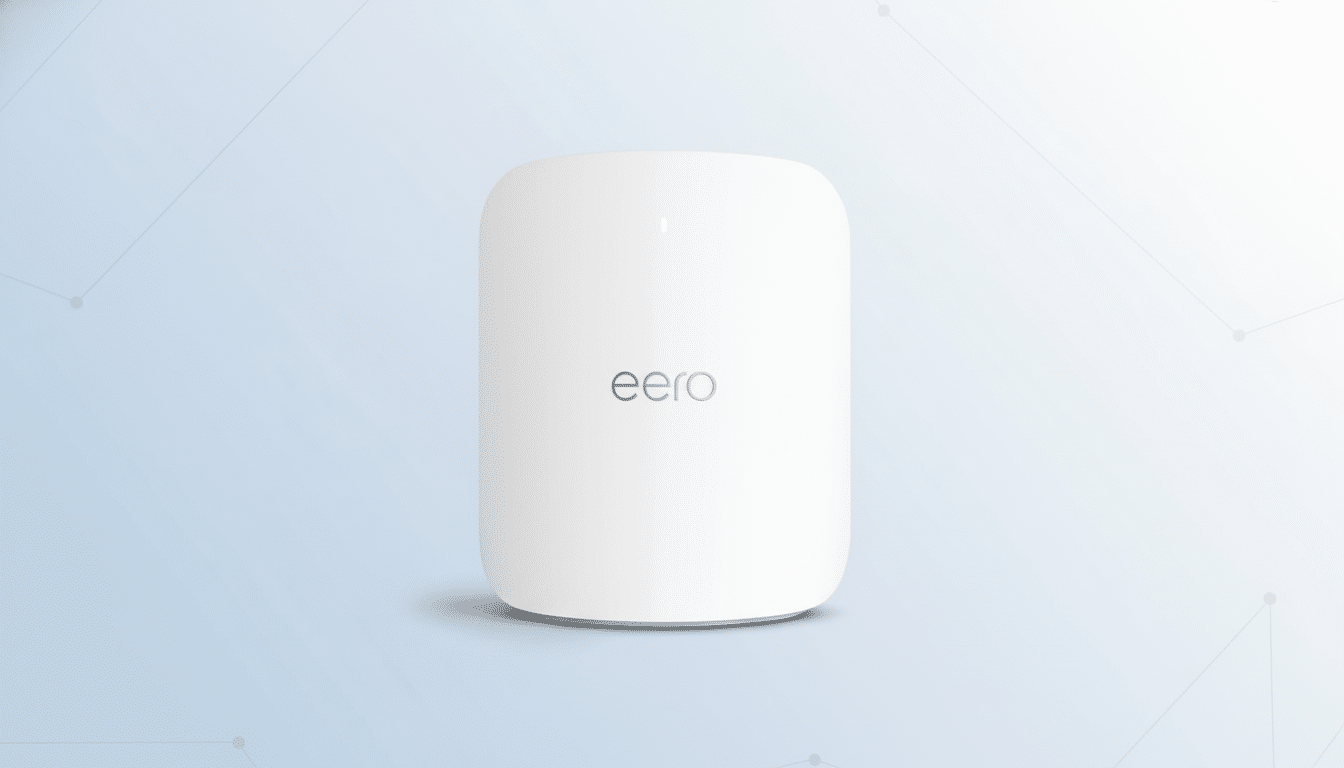
A rare price cut on a Wi‑Fi 7 mesh system is pushing the home networking conversation beyond routers and straight into internet speeds. With the Eero 7 dual‑band mesh now marked down to about $140 for a single unit at 18% off and roughly $290 for a three‑pack at 17% off, this mainstream system suddenly makes a compelling case for rethinking not just your Wi‑Fi gear but your broadband plan, too.
For many households, this will be the first truly affordable on‑ramp to Wi‑Fi 7, a standard designed to handle dense device counts, video everywhere, and low‑latency tasks in a way older gear can’t. The punchline is simple: if your home feels like a traffic jam of smart devices, this discount is a nudge to modernize the network — and maybe the pipe feeding it.
Why Wi‑Fi 7 Changes the At‑Home Experience
Wi‑Fi 7 (IEEE 802.11be) brings a toolbox built for busy homes: multi‑link operation to bond multiple bands for steadier links, 4K QAM to pack more data into each signal, and wider channels (up to 320 MHz where available) for fatter throughput. The Wi‑Fi Alliance notes the standard is engineered for high reliability and lower latency, benefits that show up in 4K streaming, cloud gaming, and collaboration calls.
Real‑world gains depend on your devices and environment, but the ceiling is far higher than Wi‑Fi 6/6E. Typical 2×2 Wi‑Fi 7 clients can exceed multi‑gigabit wireless under ideal conditions, while legacy phones and laptops still benefit from stronger radios, smarter scheduling, and better interference handling.
The Eero 7 Deal and What You Actually Get
The discounted Eero 7 dual‑band nodes deliver about 2,000 square feet of coverage per unit, expanding by roughly the same with each additional node. A three‑pack typically blankets larger homes, moving signals into rooms that were previously dead zones. Eero rates the system for well over 100 connected devices, which mirrors what many testers and users report in busy households with cameras, consoles, and smart speakers all chattering at once.
Setup is app‑first and takes minutes: plug in the primary node, follow the prompts, place satellites where signal bars dip, and the mesh auto‑optimizes. The management experience is intentionally simple. Power users may miss granular knobs like per‑band controls, VLANs, or advanced QoS, but mainstream households will appreciate the fire‑and‑forget stability. Promotions often include a trial of Eero’s optional security and parental‑control suite, which adds content filters, threat blocking, and advanced diagnostics.
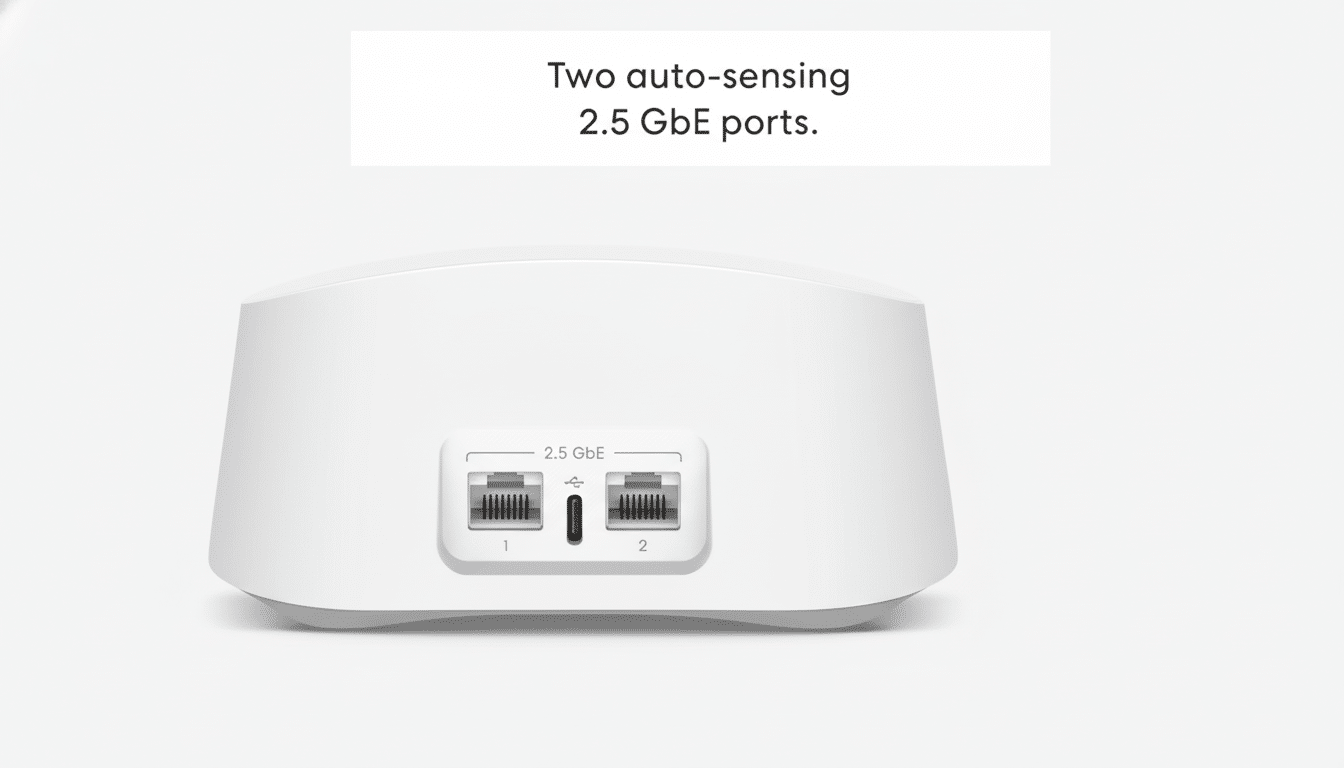
One practical tip: check the Ethernet port specs on your chosen bundle if you plan a wired backhaul between nodes or a multi‑gig internet plan. Wired backhaul can be a quiet superpower for mesh systems, reserving precious wireless airtime for your devices and preserving top speeds at the far end of the house.
Should You Upgrade Your Internet Plan Too?
If you’re on a sub‑500 Mbps cable plan and using an aging router, the Eero 7 upgrade alone may feel transformative. You’ll likely see higher real‑world speeds, less jitter on calls, and better coverage, without touching your ISP tier. But if your home already pushes the limits — lots of 4K streams, cloud gaming rigs, big work uploads — pairing Wi‑Fi 7 with a faster plan makes sense.
Speedtest Intelligence data from Ookla shows many households still sit well below 1 Gbps, while fiber providers are steadily expanding multi‑gig tiers. That gap is where this deal matters: Wi‑Fi 7 unlocks headroom you can actually grow into. Jumping to a 1–2 Gbps plan, combined with Wi‑Fi 7‑capable clients and smart node placement (or wired backhaul), can noticeably cut congestion and improve consistency at the edges of your home.
Remember, wall materials, microwave ovens, and even your neighbor’s networks can blunt peak speeds. Mesh helps by bringing the access point closer to you, and Wi‑Fi 7’s scheduling tools reduce collisions, but physics still rules. A quick site survey — speed tests room to room — will tell you whether bandwidth or coverage is your primary bottleneck.
How the Eero 7’s Value Stacks Up Against the Field
High‑end Wi‑Fi 7 mesh kits can soar into four figures; flagship systems from brands like Netgear’s Orbi and premium TP‑Link Deco lines command a serious premium. That’s why this Eero 7 discount stands out. Price‑per‑node and ease of use land squarely in the mainstream, yet you still get the concurrency and efficiency headroom that defines Wi‑Fi 7.
If you live in a small apartment, a single discounted node may be all you need. In multi‑story homes, the three‑pack is the smarter buy, with one node near the modem, one mid‑home, and one at the coverage edge for a true blanket. Either way, you’re modernizing the foundation without overpaying for features you may never touch.
Bottom line on the Eero 7 Wi‑Fi 7 mesh discount
This Wi‑Fi 7 mesh deal hits the rare sweet spot of timing, price, and capability. Even without changing your ISP, you’ll likely see a quieter, faster network. If you’ve been eyeing multi‑gig fiber, it’s the nudge to finally pair next‑gen wireless with a fatter pipe — and say goodbye to buffering and dead zones for good.
