


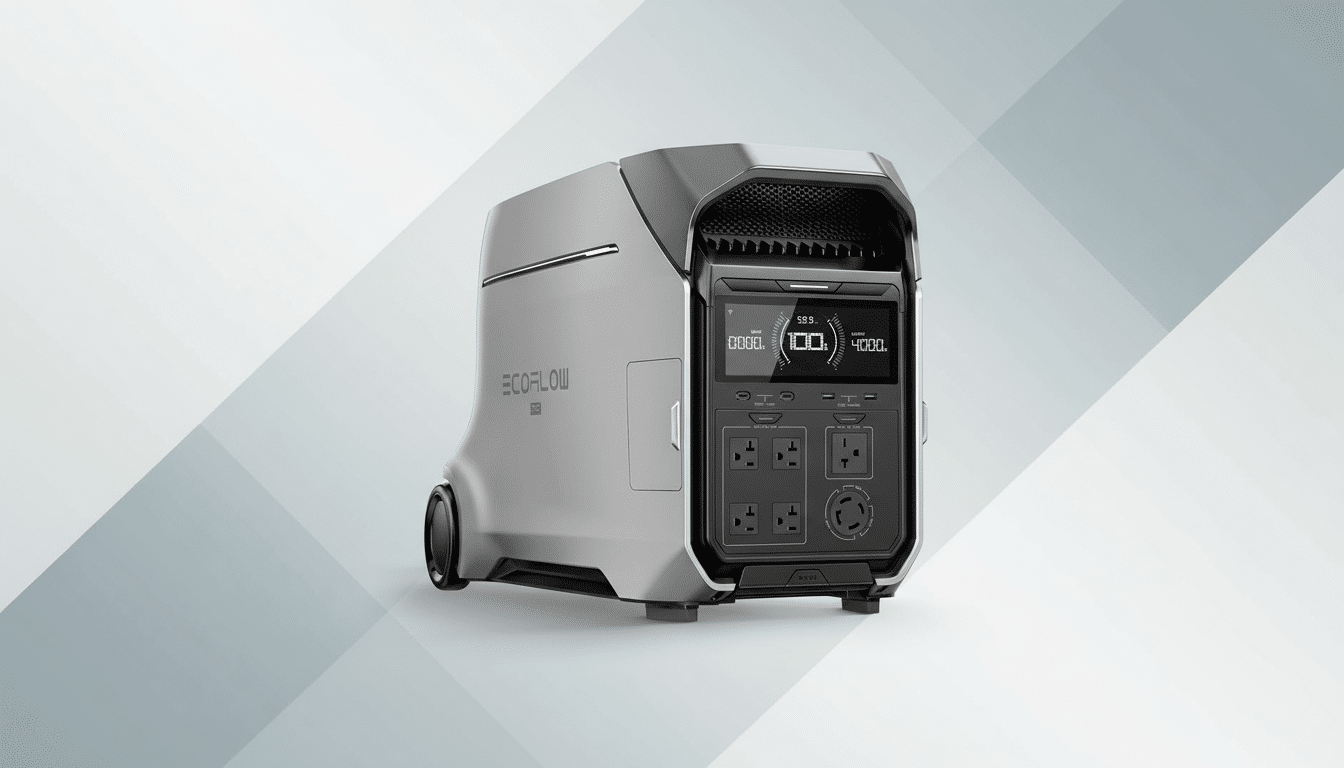
A rare, steep markdown has pushed the EcoFlow Delta Pro 3 portable power station to a standout price, with a 46% discount that drops the big-capacity unit to roughly $1,999 from its usual $3,699. For homeowners prepping for outages, DIYers running corded tools, and RV or van lifers who want quiet, clean power, this is the kind of headline deal that meaningfully changes the value equation.
Why this 46% price cut matters for buyers now
At 4,096Wh, the Delta Pro 3 sits in the upper tier of consumer battery stations. Price-per-watt-hour is a useful yardstick in this category, and this sale brings the cost close to $0.49/Wh—well below the $0.70–$1.10/Wh range often seen on competing large-format units. In practical terms, that means more usable runtime per dollar, whether you’re keeping a fridge cold through a storm or powering a miter saw on a jobsite.
Stocking up ahead of severe weather is increasingly common. The U.S. Energy Information Administration reports that the average American experiences 5–8 hours of outage time annually, with major storms pushing totals much higher in hard-hit regions. A high-capacity, rechargeable station has become a mainstream alternative to gas generators—especially when quiet operation and indoor use are priorities.
What the Delta Pro 3 delivers in real-world power
EcoFlow equips the Delta Pro 3 with a 4,096Wh lithium iron phosphate (LFP) battery, a chemistry prized for long cycle life and thermal stability. The integrated inverter delivers multi-kilowatt output, enough headroom for full-size refrigerators, space heaters, sump pumps, portable AC units, and high-draw power tools. EcoFlow rates the unit to keep a typical refrigerator running for up to three days, a figure that aligns with real-world fridge averages of a few hundred watt-hours per day depending on age and efficiency.
Despite its capacity, the Delta Pro 3 remains manageable thanks to luggage-style wheels and a telescoping handle. Noise levels can dip to a library-quiet 30 dB in low-load scenarios—crucial for overnight CPAP use or nursery fans where engine generators simply aren’t viable. You also get a spread of AC outlets plus high-wattage USB-C for laptops and fast-charging tablets, along with a 12V car port for legacy gear.
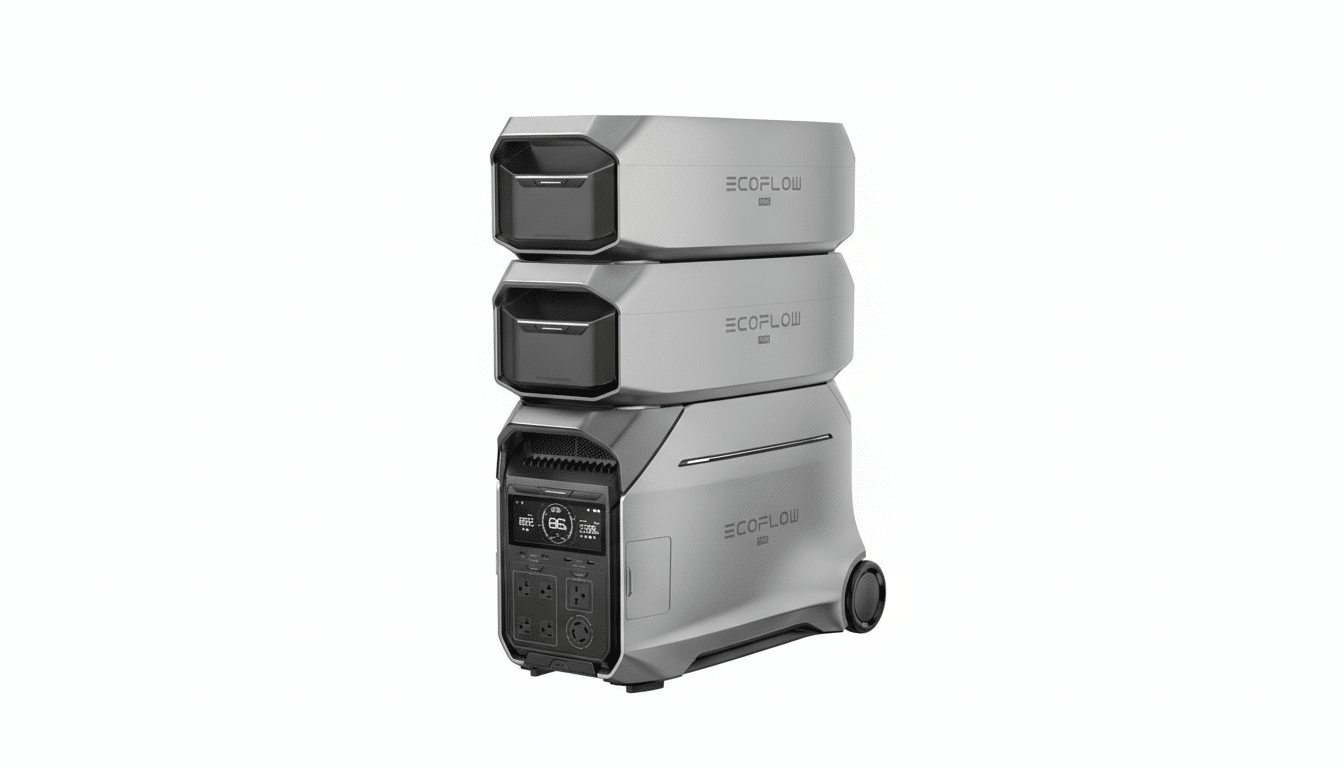
Charging is another strong suit: the unit can refuel rapidly from a wall outlet, and it supports solar input for off-grid top-ups with portable panels. App control, pass-through power, and UPS-like switchover in milliseconds round out a feature set designed for both planned and emergency use. And if you need multi-day resilience, the system is expandable with add-on batteries.
Real-world use cases that benefit from this deal
- Home backup: Keep refrigeration, Wi‑Fi, lighting, and key medical devices powered quietly indoors. The Consumer Product Safety Commission has repeatedly warned about carbon monoxide risks from fuel generators; a battery station avoids exhaust and can be operated inside with no fumes.
- Renovations and job sites: Run saws, compressors, and shop vacs without snaking extension cords or tripping breakers. The high surge capacity helps with tool startup spikes that overwhelm smaller stations.
- Mobile living and events: For RVs, tailgates, and outdoor movie nights, the combination of high output, silent operation, and fast recharge makes the Delta Pro 3 a flexible centerpiece that replaces both a generator and multiple smaller battery banks.
How it stacks up on value versus key rivals
Rivals in this class include the Jackery Explorer 3000 Pro, Anker Solix large-format units, and Bluetti’s higher-capacity stations. Many offer solid performance, but they often land at smaller capacities or higher prices on a $/Wh basis, especially outside holiday promotions. At this 46% discount, the Delta Pro 3’s combination of capacity, output headroom, and quick AC charging puts it near the front of the pack for overall value—particularly if you want a single device capable of whole-kitchen essentials plus a few comfort loads.
Buying tips and safety notes before you purchase
Consider your critical loads before buying. A modern refrigerator (100–250W average), a cable modem/router (10–20W), and a CPAP (30–60W) can run for many hours on this capacity; adding resistive loads like space heaters will shorten runtimes quickly. If you plan to connect to home circuits, consult a licensed electrician and use a transfer switch designed for battery inverters.
Check warranty terms, cycle-life ratings, and service options. LFP batteries are typically rated for thousands of cycles to 80% capacity retention, which can translate to many years of daily use. If you’re going solar, verify panel voltage/current compatibility and cabling. And when comparing deals, look beyond sticker price to included accessories—cables, covers, or panel bundles can change the real cost.
Bottom line: At this rare 46% off, the EcoFlow Delta Pro 3 brings big-battery resilience into a price band usually reserved for mid-size stations. If you’ve been weighing whole-appliance backup or corded-tool flexibility without the noise and fumes of gas, this is the moment to make the jump.
