


Waymo’s quest for driverless convenience has hit a stubbornly human snag: the humble car door. In a newly confirmed pilot, the Alphabet-owned robotaxi operator is paying DoorDash drivers to locate Waymo vehicles with doors left ajar and shut them so the cars can return to service. It is a small task with outsize implications for how “autonomous” mobility actually works in the real world.
Why Robotaxis Still Need Human Hands On The Job
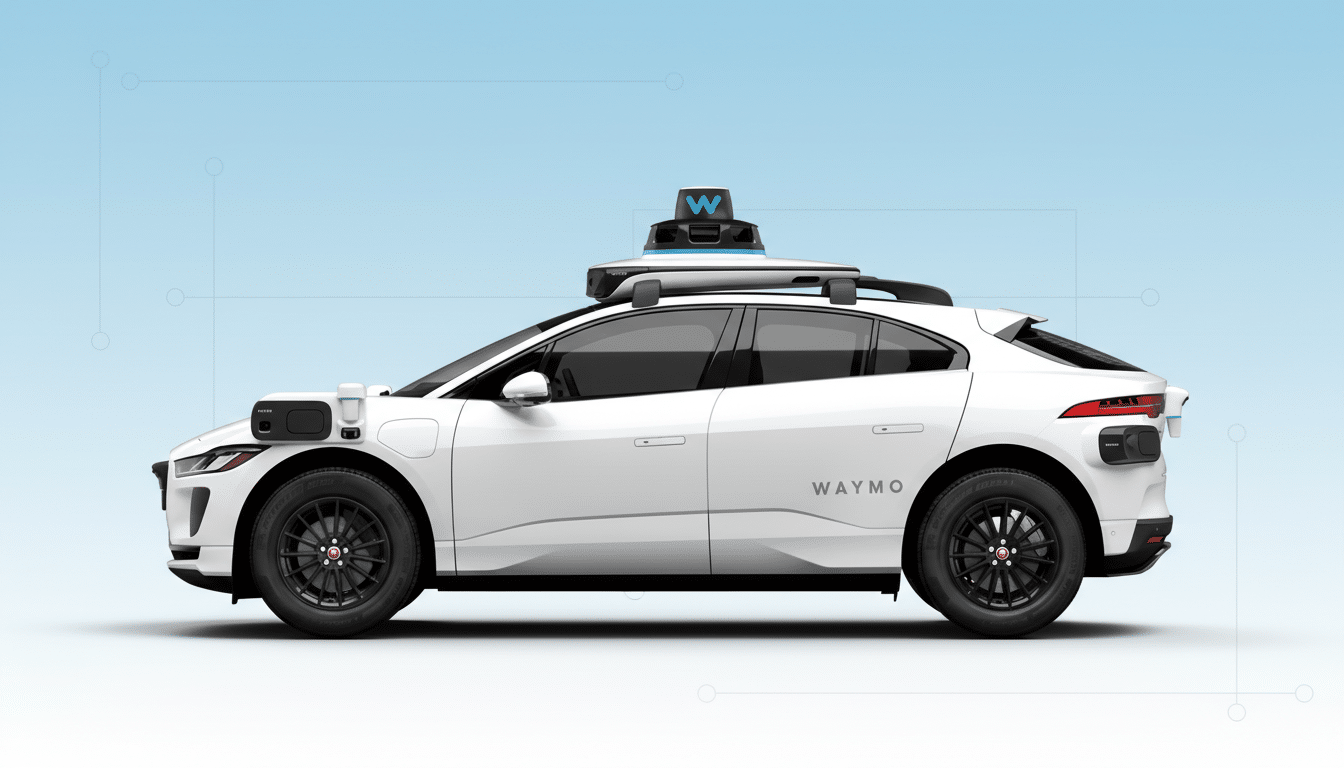
Self-driving stacks can perceive lanes, predict pedestrian intent, and navigate complex city blocks. What they cannot yet do is reach out and pull a door closed when a rider exits carelessly or wind catches a latch. Until automatic doors are standard, a single open door sidelines a vehicle, chipping away at fleet utilization and customer wait times. Waymo says future models will add automatic closing doors, but has not given a timeline.
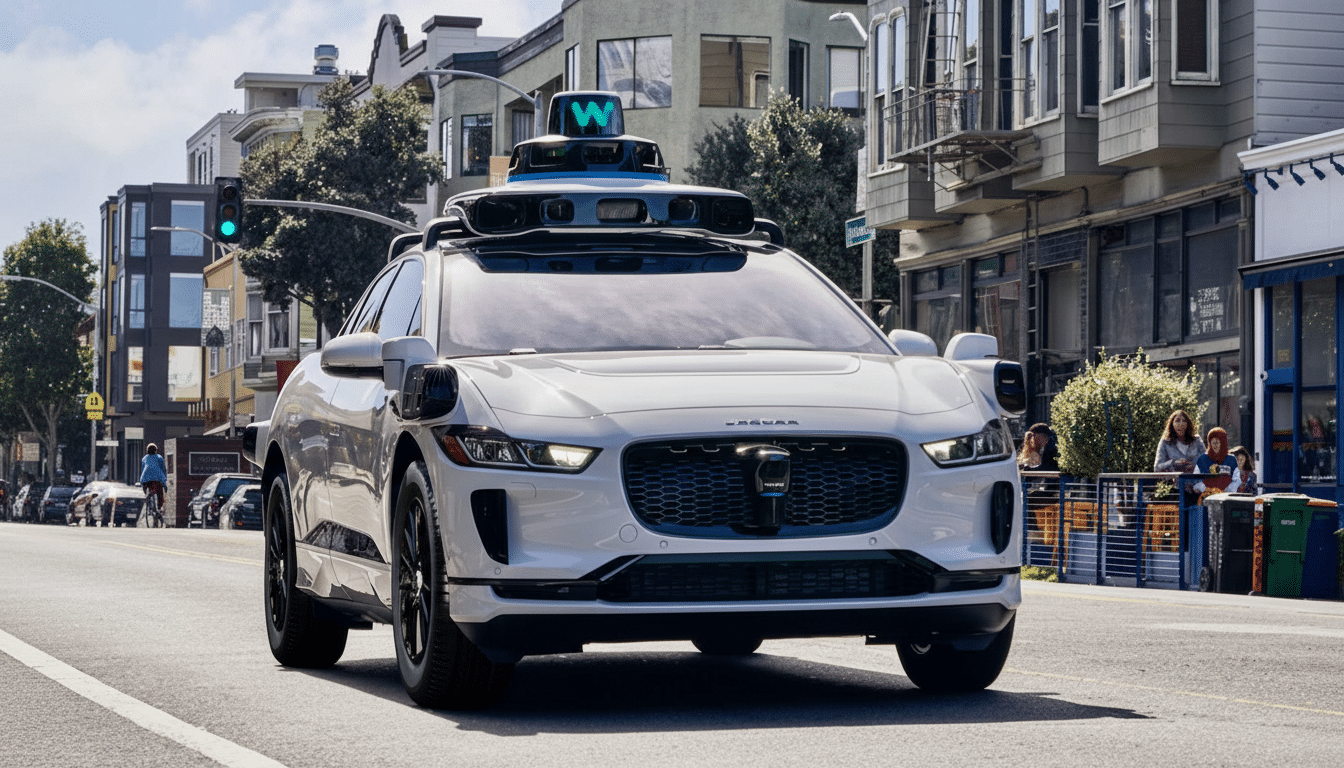
This stopgap underscores a broader truth in autonomous operations: the software may drive, but humans keep the system humming. AV companies already rely on remote assistance teams to help vehicles resolve edge cases like road closures or construction zones. Field responders reposition stalled vehicles. Now, gig workers are part of that support lattice, too.
How The DoorDash Pilot Works To Close Robotaxi Doors
Waymo confirmed to CNBC that it is testing the program in Atlanta. When an onboard sensor or rider report flags a door that did not latch, a request pings nearby DoorDash drivers. One Dasher shared a screenshot in a workers’ subreddit showing an $11.25 offer to reach a Waymo vehicle about nine minutes away and close its door. Complete the task, and the robotaxi returns to the network without requiring a specialized technician.
For DoorDash, the experiment slots neatly into a broader expansion beyond restaurant delivery. The platform already dispatches drivers for groceries, retail orders, and package drop-offs. Micro-assignments like this take advantage of a large, distributed workforce that can respond quickly across a metro area.
What It Pays And Where It’s Happening Now
In Atlanta, Dashers report offers around the low double digits for a single close-the-door run. In Los Angeles, however, Waymo has tapped roadside assistance network Honk for similar support. According to prior reporting by The Washington Post, Honk workers servicing Waymo vehicles there are paid up to $24 for the same task. The variance reflects how AV companies mix vendors and incentives by market to maintain uptime.
Pay calculus for gig workers is more complicated than the sticker price. Travel time, parking, local traffic, and the chance of multiple quick completions in a dense zone can make or break hourly earnings. Still, the work itself is as straightforward as it sounds: find the vehicle, shut the door, move on.
The Bigger Picture For Autonomous Operations
Robotaxis succeed or fail on availability. Every minute a vehicle sits immobilized is lost revenue and a worse rider experience. Door-closing tasks are a micro-ops patch to protect metrics like rides per vehicle per day and average response time. They also hint at a modular future for AV maintenance, where a blend of specialists and crowdsourced helpers handle different tiers of intervention.
There is precedent. Competitors have long used remote human support to nudge cars through unusual situations while keeping hands off the wheel. Outsourced responders already clear cones, swap flat tires, or extract vehicles from tight spots. Adding a quick door check to the menu is a logical, if slightly comic, extension.
Safety And Liability Questions For Gig Helpers
Closing a door is simple; the setting is not always. If the car is partially in the roadway, approaching it raises safety considerations for workers and surrounding traffic. AV companies say their vehicles pull to safe locations when possible, and gig platforms typically require compliance with local laws and common-sense precautions. Still, the patchwork of responsibilities among an AV operator, a delivery platform, and an independent contractor can be murky. Clear guidance on when to accept a task, how to identify the vehicle safely, and what to do if the situation looks risky will matter as these programs scale.
What Comes Next For Waymo’s Door-Closing Problem
Waymo’s stated plan is to phase in automatic doors, a hardware fix that erases the need for human assistance on this specific issue. Until then, expect more hybrid human-machine workflows at the edges of autonomy, not fewer. As robotaxis expand to new neighborhoods, keeping fleets productive will depend on fast, flexible responses to the mundane realities of city travel and human behavior — including the occasional forgotten door.
For gig workers, this is one more niche task in an evolving app-based labor market. For Waymo, it is a reminder that the hardest parts of autonomy are sometimes the least glamorous. A robotaxi that can drive itself is a marvel. A robotaxi that can also close its own door is a business.
