


Going off-grid usually means producing and managing your own electricity instead of relying on the utility. For most homes, that makes solar panels and batteries the most practical combination, but they do different jobs. Solar creates power when sunlight is available, while batteries store that energy for later use. An off-grid system can also include other sources, such as a generator, to support periods of high demand or poor weather. The right setup depends on how much electricity you use, when you use it, and how reliable you need your power supply to be throughout the year.
Are Solar Panels and Batteries Essential for Off-Grid Power?
Solar Is One Way to Generate Electricity Independently
Solar panels are one of the most common ways to generate electricity off-grid because they produce power on-site without ongoing fuel deliveries. During daylight hours, they can run appliances directly and charge batteries for later use. That said, solar is not the only off-grid generation option. Some households also use generators or other renewable sources when conditions make sense. When asking what does off the grid mean, focus on generating electricity without utility service; solar can fulfill that need efficiently for homes with decent sun exposure. If your goal is long-term energy independence with lower operating costs, solar usually forms the backbone of the system.
- Are Solar Panels and Batteries Essential for Off-Grid Power?
- Solar Is One Way to Generate Electricity Independently
- Batteries Bridge the Gap Between Generation and Consumption
- What Happens When Your Off-Grid Home Has Limited Sunlight?
- Use Stored Energy Overnight and During Cloudy Weather
- Add Compatible Generation When Battery Reserves Run Low
- Choose Your Setup Around How You Actually Use Power
- Match Generation and Storage to Seasonal Household Demand
- Account for Installation, Fuel Access, and Ongoing Maintenance
- Conclusion
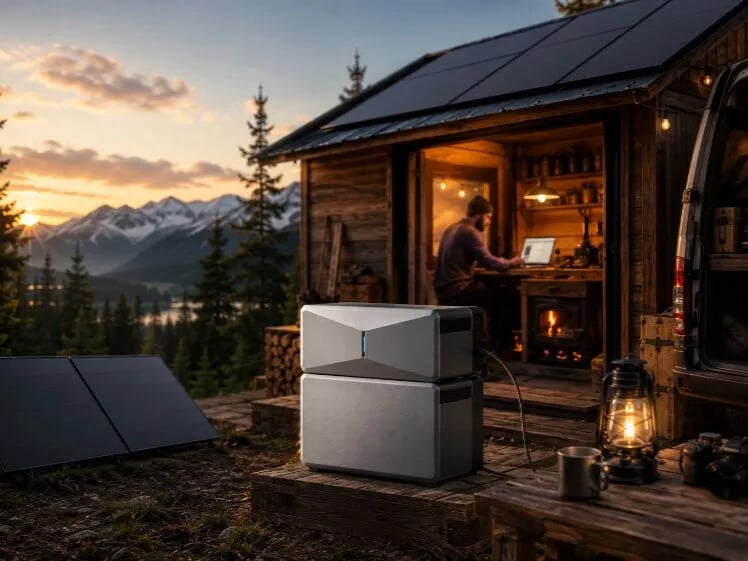
Batteries Bridge the Gap Between Generation and Consumption
Batteries are essential in most off-grid homes because electricity use rarely lines up perfectly with electricity production. A solar array may produce strongly at midday, but your home still needs power after sunset, early in the morning, and during passing storms. Battery storage captures excess daytime energy and makes it available when generation drops. That function turns intermittent solar output into a more usable household power supply. In practice, going off-grid without batteries usually means relying heavily on a generator whenever solar is unavailable. For most homeowners seeking quieter operation, better efficiency, and more stable daily power, batteries are a core part of an off-grid setup.
What Happens When Your Off-Grid Home Has Limited Sunlight?
Use Stored Energy Overnight and During Cloudy Weather
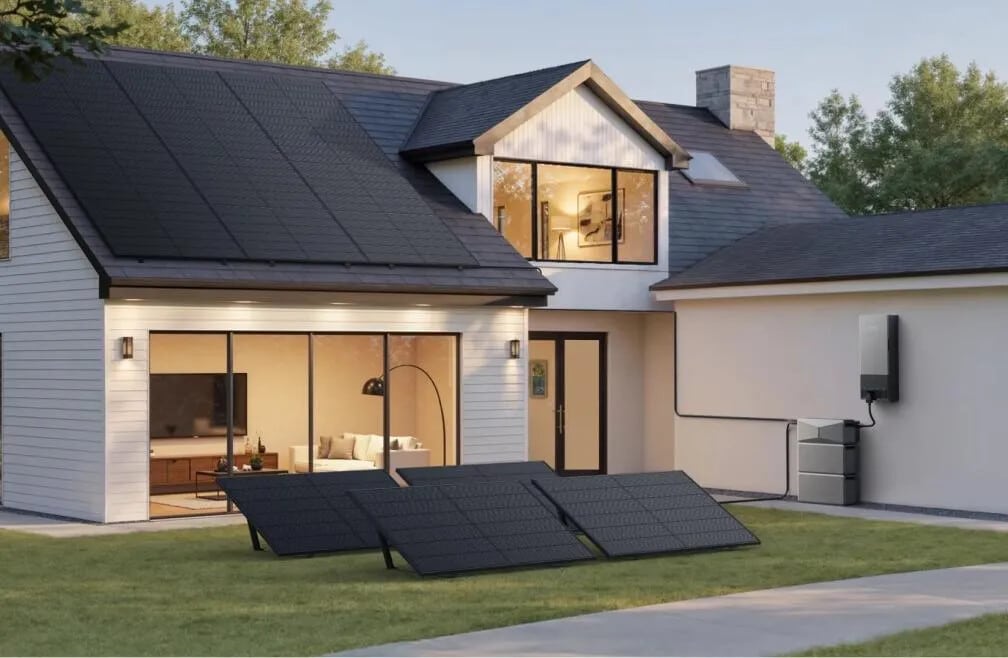
Limited sunlight does not automatically make off-grid living impossible, but it does increase the importance of battery capacity and careful energy planning. Your system must carry household loads through the night and continue supporting essentials during overcast days. That means sizing storage around real usage, not ideal conditions. A scalable system such as the Anker SOLIX E10 Whole-Home Backup, with 6-90kWh battery expandability and 9-27kW solar input, illustrates how off-grid setups can be built to match larger demand and changing weather patterns. More storage gives you a wider buffer, helping preserve power for refrigeration, lighting, communications, water pumping, and other priority loads when solar production falls short.
Add Compatible Generation When Battery Reserves Run Low
When sunlight stays weak for several days, stored energy eventually drops, and the system needs another way to recharge. This is where a compatible backup generator becomes important. It can supply electricity directly to the home, recharge the battery bank, or do both depending on system design. Adding generator support reduces the risk of running critical loads to zero during extended bad weather or seasonal low-sun periods. A setup that includes a 4.5kW smart generator can provide controlled backup when reserves run low, helping maintain continuity without oversizing the solar array alone. That extra generation source makes off-grid power more resilient and easier to manage year-round.
Choose Your Setup Around How You Actually Use Power
Match Generation and Storage to Seasonal Household Demand
The best off-grid system starts with your actual household load profile. List the appliances and equipment you run daily, note which ones cycle on and off, and identify seasonal changes such as heating, cooling, or irrigation. A cabin used lightly in summer needs far less generation and storage than a full-time home with refrigeration, laundry, water pumps, and home office equipment. You should size solar to cover expected daytime use and recharge batteries reliably, then size storage to handle overnight consumption and weather-related gaps. Designing around measured demand leads to a system that performs consistently, avoids unnecessary cost, and supports the way your household actually lives throughout the year.
Account for Installation, Fuel Access, and Ongoing Maintenance
Off-grid planning is not only about watts and kilowatt-hours. Installation conditions, fuel logistics, and maintenance requirements all affect what setup works best on your property. Roof space, ground-mount options, shading, local climate, and equipment placement influence solar performance and service access. If you include a generator, think about fuel storage, delivery, noise, run time, and how easily you can operate it during emergencies. Batteries also need proper installation and system integration to perform safely and efficiently. A practical design balances renewable generation with backup capability while keeping maintenance manageable. The most reliable off-grid system is one you can support consistently, not just one that looks ideal on paper.
Conclusion
Going off-grid does not strictly mean you must have solar and batteries, but most homes need both to achieve reliable, practical daily power. Solar provides a cost-effective way to generate electricity, and batteries make that energy usable when the sun is not available. If your site has limited sunlight or highly variable demand, generator support can strengthen the system and protect essential loads. The smartest approach is to size generation, storage, and backup around your real household needs, seasonal conditions, and maintenance capacity so your system works dependably year-round.

