


Heavy snowfall can strain your roof, freeze pipes, block entryways, and leave your household vulnerable during winter storms. Preparing your home before the first major snow event helps reduce damage, lower repair costs, and keep your family safer when conditions worsen. A strong plan starts outside with your roof, gutters, and walkways, then moves indoors to heating, insulation, and plumbing protection. It should also include emergency readiness in case deep snow or ice leads to outages and limited travel. By taking a few practical steps early, you can improve comfort, protect critical systems, and respond calmly when a storm arrives. These three tips focus on the most important areas of winter home preparation so you can handle heavy snowfall with greater confidence and fewer surprises.
Tip 1 – Protect Your Roof and Home Exterior Before Heavy Snowfall
Inspect Your Roof, Gutters, and Drainage Systems
Before heavy snowfall begins, check the weather forecast to understand how much will it snow in your area and prepare your home accordingly. Inspect your roof for loose shingles, weak flashing, and areas that may collect ice or excess snow. Small roof issues often become major leaks when melting snow refreezes and forces water under damaged materials. Clean gutters and downspouts so melting snow can drain properly instead of backing up along the roof edge. Make sure drainage extensions direct water away from your foundation to reduce freezing and pooling. Check for overhanging branches that could snap under snow load and damage siding or roofing. If your area receives frequent winter storms, schedule repairs before temperatures drop too far. A sound roof and clear drainage system help your home handle snow accumulation more safely and reduce the chance of costly winter weather damage.
Seal Drafts and Clear Snow From Entryways
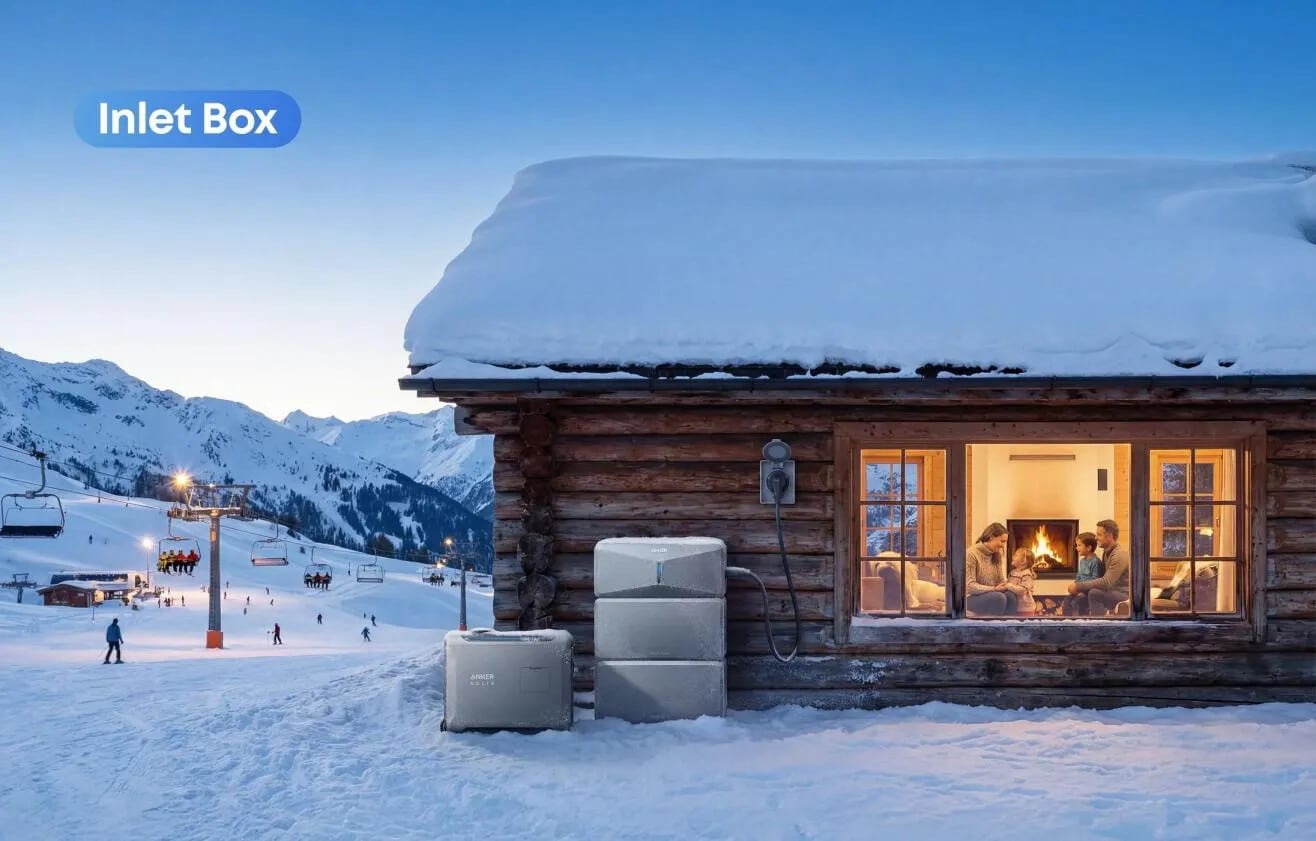
Cold air entering through gaps around doors, utility penetrations, and exterior joints can make your heating system work harder during heavy snowfall. Seal visible drafts with weatherstripping or caulk, especially around front and back doors, basement access points, and attached garage connections. This improves comfort and helps maintain steadier indoor temperatures when winds increase. Outside, clear snow and ice from steps, porches, walkways, and main entry points before accumulation becomes compacted and hazardous. Keep a snow shovel, ice melt approved for your surface type, and a stiff broom near each frequently used entrance. Also confirm that exterior lights work properly so you can move safely during early sunsets or storm conditions. A well-maintained exterior makes daily access easier and lowers winter slip risks.
Tip 2 – Prevent Frozen Pipes and Keep Your Home Warm
Insulate Exposed Pipes and Maintain Indoor Heating
Frozen pipes are one of the most common and expensive cold-weather problems, especially in basements, crawl spaces, garages, and exterior-facing walls. Wrap exposed pipes with foam insulation sleeves or heat tape designed for plumbing protection, paying close attention to vulnerable sections near vents or unheated zones. Keep your thermostat set consistently, even overnight or when you leave home, so indoor temperatures do not drop enough to freeze water lines. Open cabinet doors under sinks on exterior walls to let warm air circulate around plumbing. During extreme cold, allow faucets to drip slightly to keep water moving. If your heating system struggles in severe weather, address maintenance issues before winter peaks. Preventing pipe freezes early helps avoid bursts, water damage, and emergency repairs during snowstorms.
Check Windows, Doors, and Attic Insulation
Windows, doors, and attic insulation play a major role in keeping heat inside during prolonged snowfall. Inspect window frames for cracked caulk, worn seals, or air leaks, and replace damaged weatherstripping around doors that no longer close tightly. If you feel cold drafts near glass, use insulating film or thermal curtains to reduce heat loss. In the attic, confirm insulation levels are adequate and evenly distributed, because poor coverage lets warm air escape through the roof and contributes to ice dams. Seal attic air leaks around vents, wiring penetrations, and hatch openings to improve efficiency. Proper insulation lowers heating demand, keeps rooms more comfortable, and supports more stable indoor temperatures. These upgrades also help your furnace or heat pump perform better when winter conditions become especially severe.
Tip 3 – Prepare for Snowstorms and Power Outages
Understand Snowfall vs. Snow Depth to Assess Winter Storm Risks
Understanding snowfall versus snow depth helps you judge how serious a winter storm may become. Snowfall measures how much new snow falls during a set period, while snow depth refers to the total snow already on the ground. This difference matters because a storm adding six inches to an area with an existing foot of snow creates greater roof load, drifting, and access problems than six inches alone suggests. Wet, heavy snow also places more stress on roofs, trees, and power lines than dry powder. Monitor forecasts for both expected snowfall and changing temperatures, since thawing and refreezing increase ice risks. Pay attention to wind speed as well, because blowing snow can reduce visibility, bury vents, and create deeper drifts around doors, driveways, and utility equipment.
Stock Emergency Supplies and Plan for Backup Power
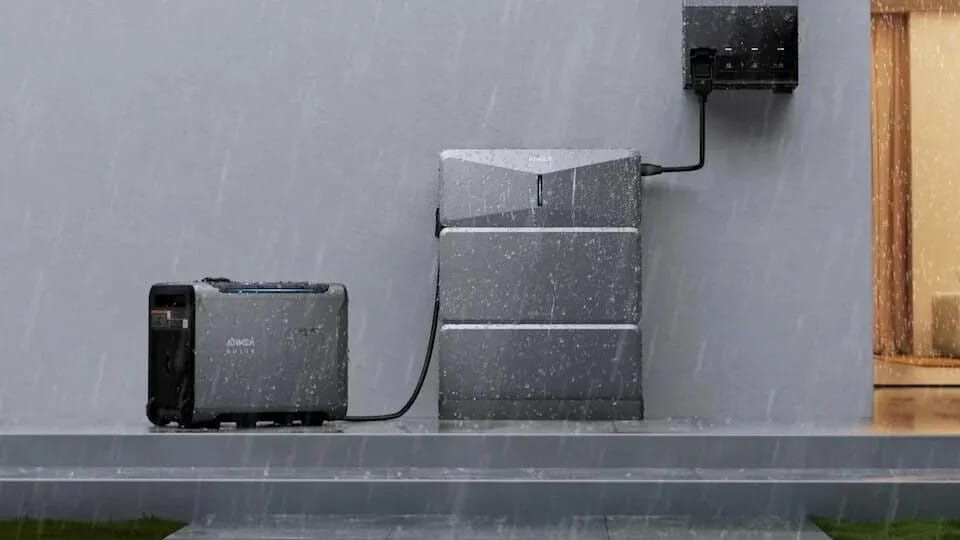
A heavy snowstorm can cut power, block roads, and limit access to supplies for days, so prepare before conditions deteriorate. Keep flashlights, charged battery packs, blankets, bottled water, medications, shelf-stable food, and a manual can opener in one easy-to-reach location. Add extra pet supplies, a weather radio, and safe indoor lighting options. For backup power, choose a system sized for essential home loads and severe-weather reliability. The Anker SOLIX E10 Whole-Home Backup provides 120/240 VAC split-phase power, 7,680W continuous output, up to 10,000W turbo backup output for 90 minutes with battery support, and seamless switchover in 20 milliseconds or less. Its NEMA Type 4 IP66 enclosure, LFP battery design, and expandable capacity up to 30kWh make it a practical option for winter outage readiness.
Conclusion
Preparing your home for heavy snowfall comes down to protecting the structure, preserving heat, and planning for winter emergencies before they happen. Start by checking your roof, gutters, drainage, and entryways so snow and ice have fewer opportunities to cause damage. Then focus indoors by insulating exposed pipes, sealing air leaks, and improving attic, window, and door performance to reduce the risk of frozen plumbing and heat loss. Finally, build an emergency plan that accounts for snow accumulation, changing storm conditions, and possible power outages. When you understand the risks and prepare the right supplies in advance, your home becomes safer, more efficient, and easier to manage during severe weather. A little prevention now can make the next snowstorm far less disruptive and far more manageable.

