


When was the last time you Googled yourself in a private window? In an era where 5.7 billion people use social platforms and the typical user toggles among roughly seven accounts each month, according to Sprout Social, the debris of long-forgotten profiles and posts is no longer harmless clutter. It is searchable evidence that shapes first impressions and a treasure map for scammers.
Cleaning up your digital footprint isn’t vanity. It is basic security, professional due diligence, and a guardrail against AI-fueled impersonation. Employers, clients, dates, and fraudsters all rely on the same data trails. The question is whether you control the narrative — or they do.
- Why Your Digital Footprint Matters More Than Ever
- Start With a Private Search and a Complete Inventory
- Lock Down Privacy Settings and Clean Up Old Accounts
- Reduce Your Exposure on Data Brokers and People-Search Sites
- Secure Your Future Digital Footprint With Strong Defaults
- Build the Online Narrative You Want for Search Results
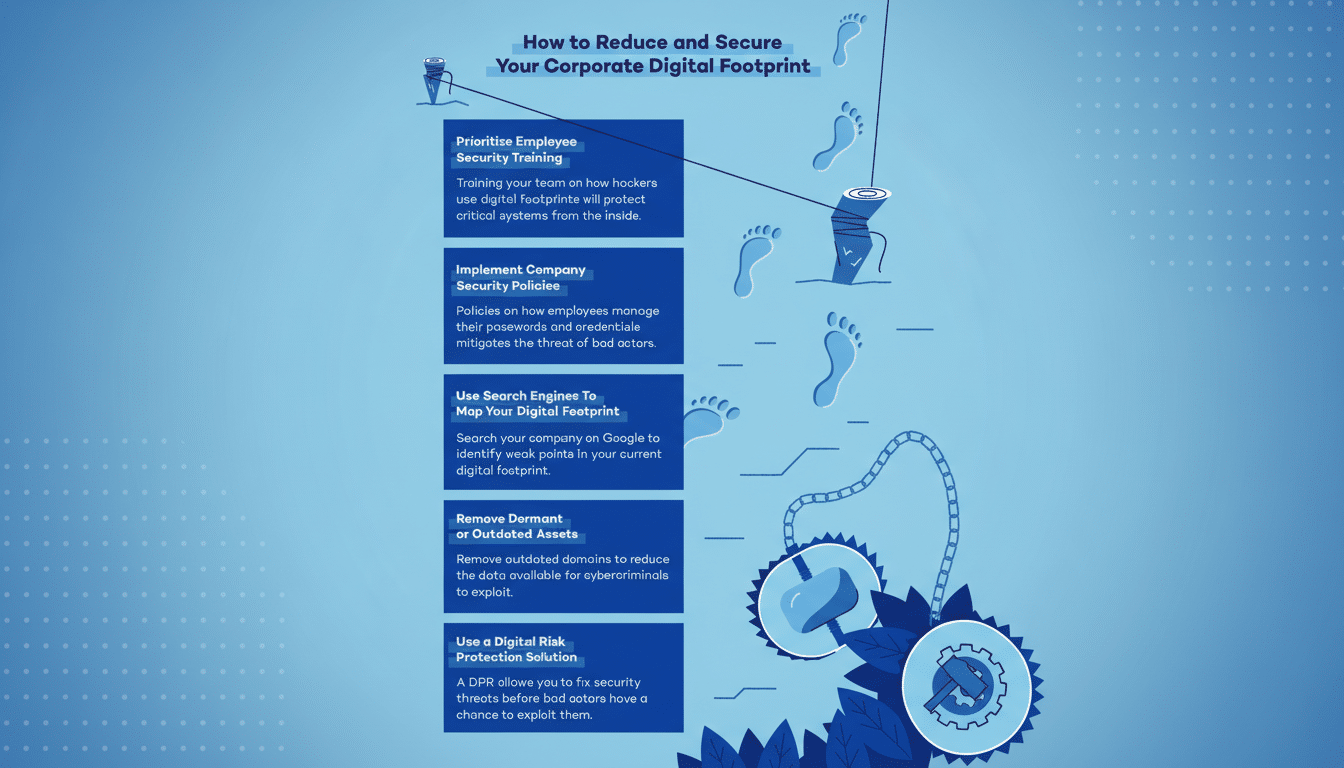
Why Your Digital Footprint Matters More Than Ever
Three trends raised the stakes. First, open web search increasingly surfaces public social content, even if you posted it inside a platform’s walls. Second, data-broker dossiers stitch together addresses, relatives, and past usernames with unsettling accuracy. Third, attackers lean on personal breadcrumbs: Verizon’s Data Breach Investigations Report found that 74% of breaches involve the human element, including social engineering that thrives on public facts about you.
Financial harm is real. The Federal Trade Commission fields more than a million identity-theft reports each year, and fraud reports routinely top two million, with billions in losses. On the corporate side, IBM’s Cost of a Data Breach Report pegs the average breach at more than $4 million — a reminder that your personal hygiene also protects your employer.
There’s also reputational risk. Old posts can resurface without context, image search can elevate decades-old photos, and small footprints amplify outliers — a single regrettable post can dominate page one for uncommon names.
Start With a Private Search and a Complete Inventory
Open an incognito window, sign out of all accounts, and search your full name in quotes. Add likely tie-ins like your city, university, employer, gamer tag, and former last names. Repeat in image search. Go past the first page — 10 pages is a useful baseline — and note anything surprising or sensitive.
Check people-search and background sites that often aggregate personal data. Many offer opt-outs if you submit a request. Keep a running list of every account you find, plus any old email addresses that might anchor dormant profiles. A password manager or email search of “welcome,” “verify,” and “reset” can surface forgotten sign-ups.
Scan for breach exposure using services like Have I Been Pwned to learn which accounts or passwords leaked in past incidents. Prioritize cleanup where reuse or sensitive data is involved.
Lock Down Privacy Settings and Clean Up Old Accounts
Review privacy and visibility settings on every platform. Defaults shift over time, so recheck who can see your posts, replies, likes, and followers. Tighten tag and mention controls, and turn on alerts when you’re tagged or your photo is suggested.
Audit connected apps. Revoke access for quizzes, games, and tools you no longer use. Old permissions are a common backdoor for data collection and account abuse.
Prune the feed. Scroll back and remove posts that reveal location patterns, personal details, or anything you would not want shown in a job interview. Remember that “private” does not mean invisible — friends, screenshots, and scraped copies travel.
Where possible, delete or deactivate abandoned accounts entirely. If you need to preserve a handle for professional use, strip identifiers, set strict privacy, and remove old content.
Reduce Your Exposure on Data Brokers and People-Search Sites
Start with major brokers that commonly appear in searches and request removal of your records. Consumer advocates such as Consumer Reports have outlined tools and strategies for submitting batch requests, and paid services can automate recurring opt-outs if you prefer not to DIY.
Know your rights. Under GDPR in the EU and state laws like California’s privacy statutes, you can request access, correction, and deletion of personal data from many companies. Keep copies of requests and confirmations for your records.
Use platform tools to limit exposure beyond brokers. Google offers ways to request removal of explicit content and certain personal identifiers from search results, and its “Results about you” feature helps track appearances of your phone, email, or address. The less data brokers and scrapers see, the less they can resell.
Secure Your Future Digital Footprint With Strong Defaults
Turn on phishing-resistant multi-factor authentication wherever available, ideally with passkeys or hardware security keys. Retire reused passwords and enable alerts for logins and new devices.
Segment your identity. Use aliases or masked email for shopping and newsletters, reserving a professional address for public profiles. Consider separate usernames for personal communities versus career-facing spaces.
Limit metadata. Strip location data from photos before posting, disable precise location history, and set auto-delete for activity logs. Review advertising IDs and interest profiles on major platforms to curb behavioral tracking.
Build the Online Narrative You Want for Search Results
Cleanup is only half the job. Populate the first page of results with content you control: a current LinkedIn profile, a concise personal site or portfolio, and recent bylined work or speaking appearances. This “positive SEO” adds resilience — credible, fresh pages outrank stale mistakes.
Set a quarterly reminder to rerun your audit. In a landscape where social media habits, privacy defaults, and search algorithms shift constantly, the most powerful move is making your footprint a living asset rather than a lingering liability.

