


Imagine spending hours mastering a strategy game, only to find that the experience points and rewards you earned are trapped within that single title. For years, this “walled garden” approach was the industry standard, forcing players to start from scratch every time they tried a new game. However, a massive shift is occurring in the digital entertainment landscape. Developers are now building interconnected ecosystems where loyalty isn’t tied to a single piece of software, but to the player’s overall journey across an entire network of games and slots.
The Problem With Isolated Reward Programs
Traditional loyalty programs often feel like a collection of half-filled punch cards from ten different coffee shops. You have a little bit of progress everywhere, but not enough in one place to actually get a free drink. In the gaming world, this fragmentation leads to “reward fatigue.” When players feel their time isn’t being universally valued, they are less likely to explore new titles within a publisher’s catalog.
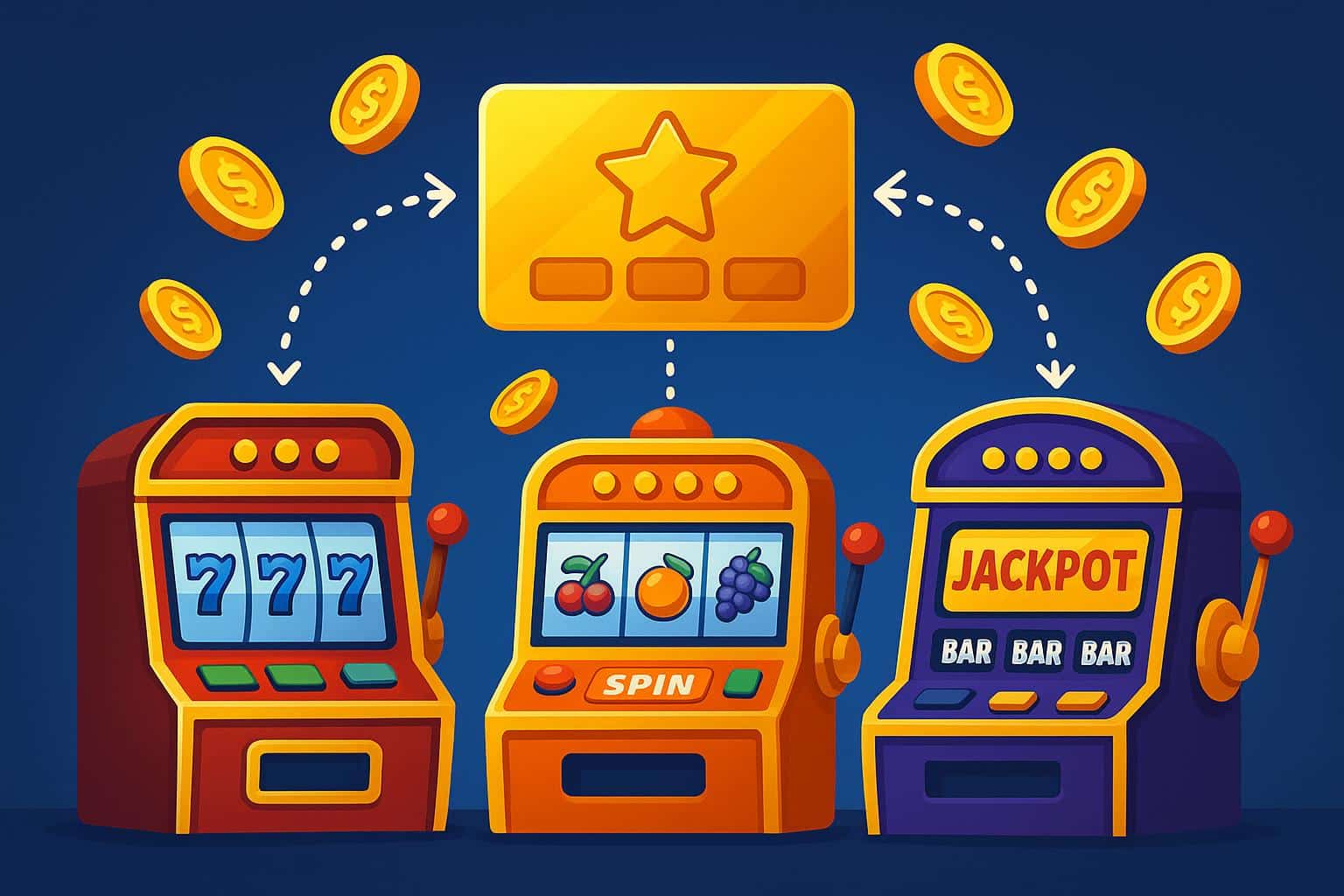
The new wave of cross-game systems solves this by creating a “universal currency” or a shared experience profile. This allows a player to earn a “Gold Tier” status in a fantasy RPG and see those benefits immediately reflected when they switch over to a digital slot machine or a competitive shooter.
How Unified Ecosystems Benefit the Modern Player
The logic behind this transition is simple: value the player, not just the session. By allowing rewards to travel with the user, developers increase the “lifetime value” of their audience.
- Continuous progression: You never feel like you’re wasting time, even when trying a game for the first time.
- Flexible redemption: Players can choose to spend their hard-earned points on the items or bonuses they actually want, regardless of where they were earned.
- Reduced friction: A single login and a single wallet mean less time managing accounts and more time playing.
Player Satisfaction: Siloed vs. Unified Systems
To better understand how these two worlds differ, it is helpful to look at the practical experience of the player. While legacy systems focused on keeping a user within a single loop, modern ecosystems prioritize mobility and long-term value across various platforms. The following comparison highlights the core shifts in how satisfaction is delivered to the modern digital consumer.
| Feature | Old School Siloed Games | Modern Unified Ecosystems |
| Progress Portability | None (Game-specific) | High (Cross-title) |
| Reward Variety | Limited to one game’s assets | Access to massive reward catalogs |
| User Onboarding | High friction (New setup) | Low friction (Pre-loaded rewards) |
| Engagement Level | Drops off after finishing a game | Remains high across the network |
Maximizing Value with the Right Bonuses
The implementation of these systems is particularly effective when combined with specific promotional offers. When a player knows that their activity in one area of an ecosystem can unlock specialized perks elsewhere, they are far more likely to remain active.
A great example of this synergy can be found with the Verde Casino bonus, which often serves as a gateway for players looking to boost their starting position across a wide variety of titles. By claiming a centralized bonus, a player can distribute that value across different slots and games, essentially using one reward to fuel multiple experiences. This approach transforms a simple “sign-up perk” into a versatile tool for long-term exploration, mirroring the broader trend of cross-game loyalty where the initial value earned is just the beginning of a much larger journey.
The Technology Driving the Change
You might wonder how these systems actually track your progress across different platforms. The answer lies in sophisticated backend integration and, increasingly, blockchain technology.
- Centralized user IDs: Publishers use a single account (like a Battle.net or Ubisoft Connect) to track every action across their library.
- API integration: Real-time data sharing between different game engines ensures that your “Level 50” status in one game triggers a reward in another instantly.
- Digital asset ownership: Some developers are experimenting with NFTs to allow players to literally “own” their rewards, meaning they can trade or sell them outside of the game itself.
Why This Matters for the Future of Entertainment
As the digital world becomes more crowded, your time becomes the most valuable currency. Companies that respect that time by allowing rewards to persist are the ones that will win the “attention war.” We are moving toward a future where “Gaming” is seen as one continuous hobby rather than a series of disconnected sessions.
Key milestones in the loyalty evolution:
- The Early 2000s: Simple high-score leaderboards that provided no tangible rewards.
- The 2010s: Achievements and trophies that offered “bragging rights” but no functional value.
- The 2020s: True cross-platform economies where digital assets have real-world or cross-game utility.
A New Perspective on Player Retention
For a long time, the industry thought the way to keep players was to make it “hard to leave.” By locking rewards to one game, they hoped players would stay because they didn’t want to lose their progress. We now know that the opposite is true.
When you give players the freedom to move and the confidence that their loyalty follows them, they actually stay longer. They feel respected and empowered. This shift from “locking players in” to “inviting players across” is the hallmark of the modern gaming era. It’s a win-win: players get more value for every minute spent, and developers build a more loyal, engaged community that is eager to see what’s next in the interconnected pipeline.
