


ChatGPT just went beyond suggesting what you should buy — it can buy the thing for you, from inside the conversation. The new Instant Checkout transforms product discovery into an all‑in‑one transaction, shortening the former journey of search, tab, cart, and form to a single conversational experience.
It’s a seemingly simple alteration with outsize implications. If AI can consistently seek out, compare, and purchase on your behalf, the center of gravity in ecommerce shifts from websites and apps to agent‑mediated decisions occurring right within a chat window.
What Instant Checkout Really Does for Shoppers
Ask ChatGPT for a particular product — say, an affordable 27‑inch 4K monitor — and it will provide links to purchase options on the web.
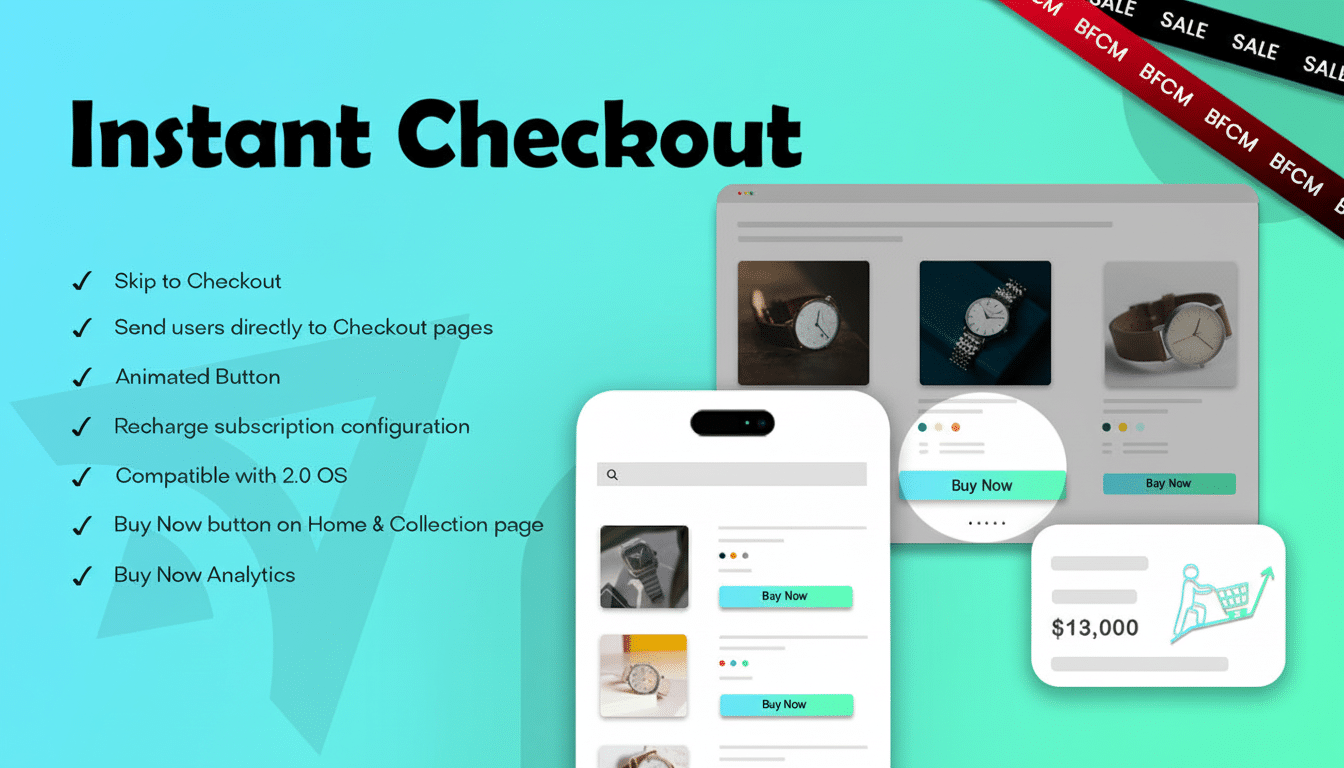
When a listing also offers Instant Checkout, a Buy button will appear. All you need to do is simply tap, confirm shipping and payment information, and your order is placed without ever having to leave the conversation. And its Plus and Pro plans allow users to save payment methods for quicker repeat purchases.
OpenAI presents the system as an intermediary: you provide order information to OpenAI, which forwards that information to the merchant and charges a small fee per completed transaction. And for the shopper, it is free. The company does note, however, that its product rankings are organic and not sponsored, so Instant Checkout availability isn’t going to propel a product’s visibility on its own.
Why This Could Reshape Ecommerce and Buying Habits
Frictionless is usually the direction that needles move when we’re talking about online retail. The Baymard Institute reports that, on average, documented cart abandonment rates are about 70%, with additional steps and filling out forms being among the primary reasons people bail. If the “cart” is instead a single confirmation inside the chat, fewer buyers will disappear.
The stakes are large. Ecommerce sales, according to the U.S. Census Bureau, eclipsed about $1.1 trillion in the United States during the most recent full year reporting cycle. Even modest gains would mean billions of dollars in additional revenues for the industry. McKinsey estimates that generative AI could stimulate hundreds of billions in annual value across retail and consumer packaged goods, with a lot of this realized by shortening the path from discovery to purchase.
How the Pipes Work Behind Agentic Checkout
Under the hood, OpenAI open‑sourced an Agentic Commerce Protocol, including Stripe. When you confirm a purchase by telling ChatGPT, the service wraps up the order and sends it directly to the seller via this protocol. The merchant can agree or refuse (and process payment through what’s already available). Stripe merchants can readily enable agent payments with a few lines of code, while others may choose to do so via Stripe’s Shared Payment Token API or the protocol’s Delegated Payments proposal.

This design choice matters. With payments remaining with the merchant of record and utilized in a tokenized manner, the protocol design hopes to retain control for merchants over fulfillment, returns, and customer service even as an AI agent commands checkout. That balance could also determine whether bigger retailers adopt agentic purchasing at scale.
Rollout and Early Limits for Instant Checkout
Instant Checkout is offered to users in the United States on Free, Plus, and Pro plans for single‑item payments. Continuous development: multi‑item carts and larger merchant and regional coverage are on the roadmap. In practice, availability will depend on the product as well as the seller, and not every listing in ChatGPT will include purchasing directly within the chat on day one.
The nuts‑and‑bolts queries are still relevant: how reversals and refunds function, how receipts get tucked away, how buyers verify which exact model or variant is being sent. Merchants have ultimate control over whether to accept an order and fulfill it, OpenAI says, providing a natural circuit breaker — but also potentially the place at which bad integrations might produce friction.
A Fast‑Forming Ecosystem Around Agent Payments
OpenAI isn’t alone. Google released its Agent Payments Protocol to enable AI agents to bridge the gap with merchants and payment providers, while Visa revealed last year a Model Context Protocol Server for agentic checkout over its network. It is a straightforward direction of travel: payments and fulfillment are getting abstracted into agent‑friendly protocols, so that any reasonable assistant will be able to buy things on your behalf safely.
For merchants, the question goes from website UX to agent readiness — clean product data, real‑time inventory, clear policies, and tokenized payments support. For consumers, the signal is about trust: Does the agent show upfront solid prices, reveal fees, and represent your preferences and constraints without any push from paid placement?
What Changes for Shoppers Using Instant Checkout
When Instant Checkout functions properly, shopping feels less like sifting between fifteen tabs and more like instructing an assistant: “Buy the best‑rated HEPA filter under $120 that’s available in two days.” The agent manages the hunt, verifies the specs, and makes the order. Over time, it could remember sizes, allergies, favorite brands, and return tolerances — the tiny bit of context that engenders confidence at the point of sale.
The flip side: agent mistakes become purchase mistakes. Guardrails — merchant confirmation, clear itemization, and easy cancellation windows — will be key. But it’s difficult to ignore the direction. When buying becomes a message, the gap between intent and transaction is reduced — and so too is our concept of storefront.
