


Bad Bunny didn’t chant slogans or call out politicians by name at the Super Bowl, yet his halftime show carried a clear political through line. With a few carefully chosen words and visuals, he reframed who “America” includes, and why that matters to tens of millions watching.
What He Said on Stage During Super Bowl Halftime
Near the finale, Bad Bunny said “God bless America” in English, then began naming countries across the Western Hemisphere, moving from South to North. The deliberate cadence turned a familiar U.S. phrase into a salute to the entire Americas, acknowledging neighbors often erased in U.S.-centric discourse.
- What He Said on Stage During Super Bowl Halftime
- The Meaning Behind America Versus The Americas
- A Pattern of Activism in Bad Bunny’s Public Performances
- Super Bowl Stages and Subtext in Recent Halftimes
- Why the Message Resonated with a Massive Audience
- Politics Without a Lecture, Delivered Through Pop Spectacle
- The Bottom Line on Bad Bunny’s Halftime Message
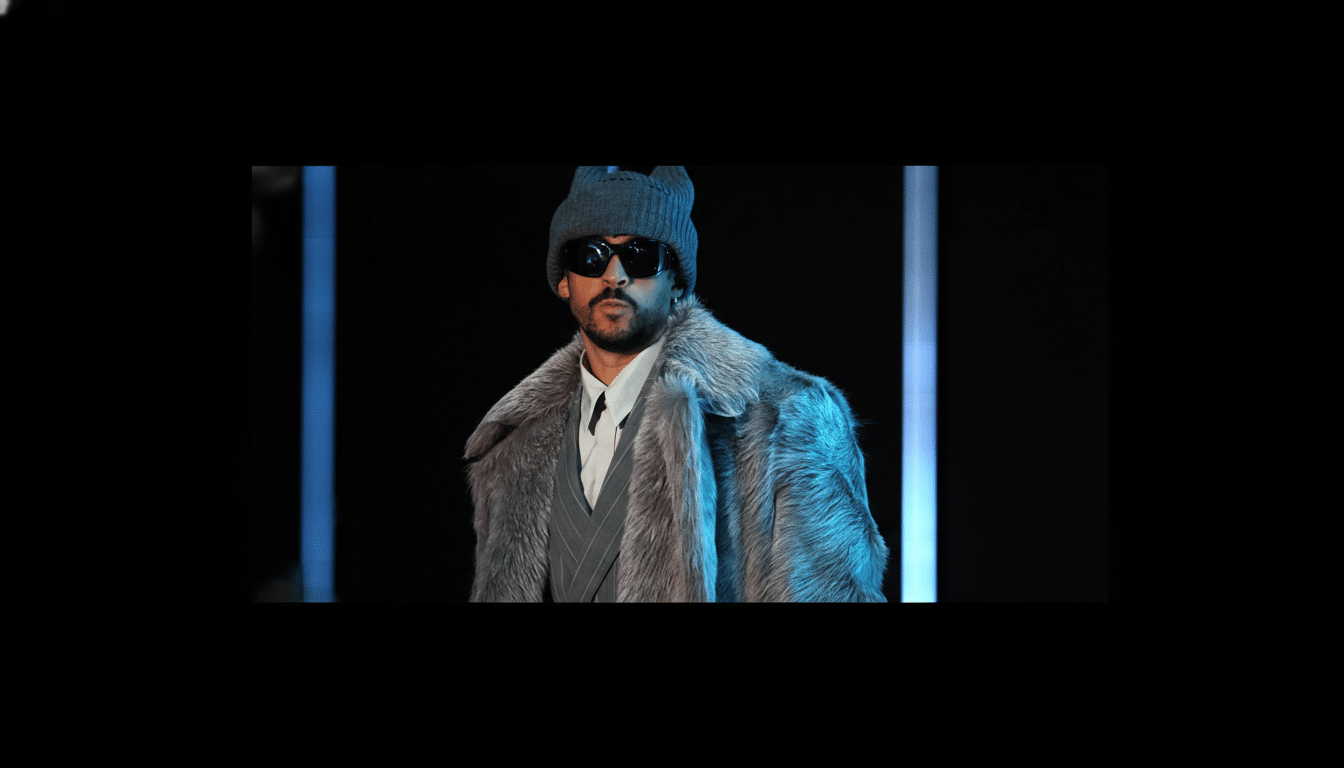
He also flashed a football emblazoned with “Together We Are America.” The prop doubled as a thesis statement: national borders may divide, but culture, migration, and shared histories bind the hemisphere.
The Meaning Behind America Versus The Americas
In much of Latin America, “América” refers to the whole continent, not just the United States. By listing countries, Bad Bunny foregrounded that broader definition and invited a prime-time audience to reconsider a word they hear every day. It’s a linguistic correction wrapped in a unifying gesture.
It also lands differently coming from a Puerto Rican artist. Puerto Rico is a U.S. territory whose residents are U.S. citizens yet lack full federal representation. That liminal status often makes artists from the island uniquely attuned to how “America” is defined—and who gets left out.
A Pattern of Activism in Bad Bunny’s Public Performances
Bad Bunny has long used big stages to spotlight policy and identity. At a past Grammys appearance, he echoed the “ICE out” rallying cry. He told i-D magazine he had weighed skipping U.S. tour stops amid concerns that fans could face immigration enforcement outside venues.
His critiques align with a decade of scrutiny of immigration enforcement. Government data show ICE made roughly 143,000 administrative arrests in one recent fiscal year, disproportionately affecting Latino communities. Civil rights groups like the ACLU and American Immigration Council have documented due process and oversight concerns tied to those operations.
Super Bowl Stages and Subtext in Recent Halftimes
Halftime shows often thread cultural commentary into spectacle. Shakira and Jennifer Lopez nodded to immigrant detention with cage-like staging and waved a Puerto Rican flag in 2020. Eminem took a knee during the 2022 show, echoing protests against racial injustice. The platform’s reach makes subtle gestures legible without derailing the entertainment.
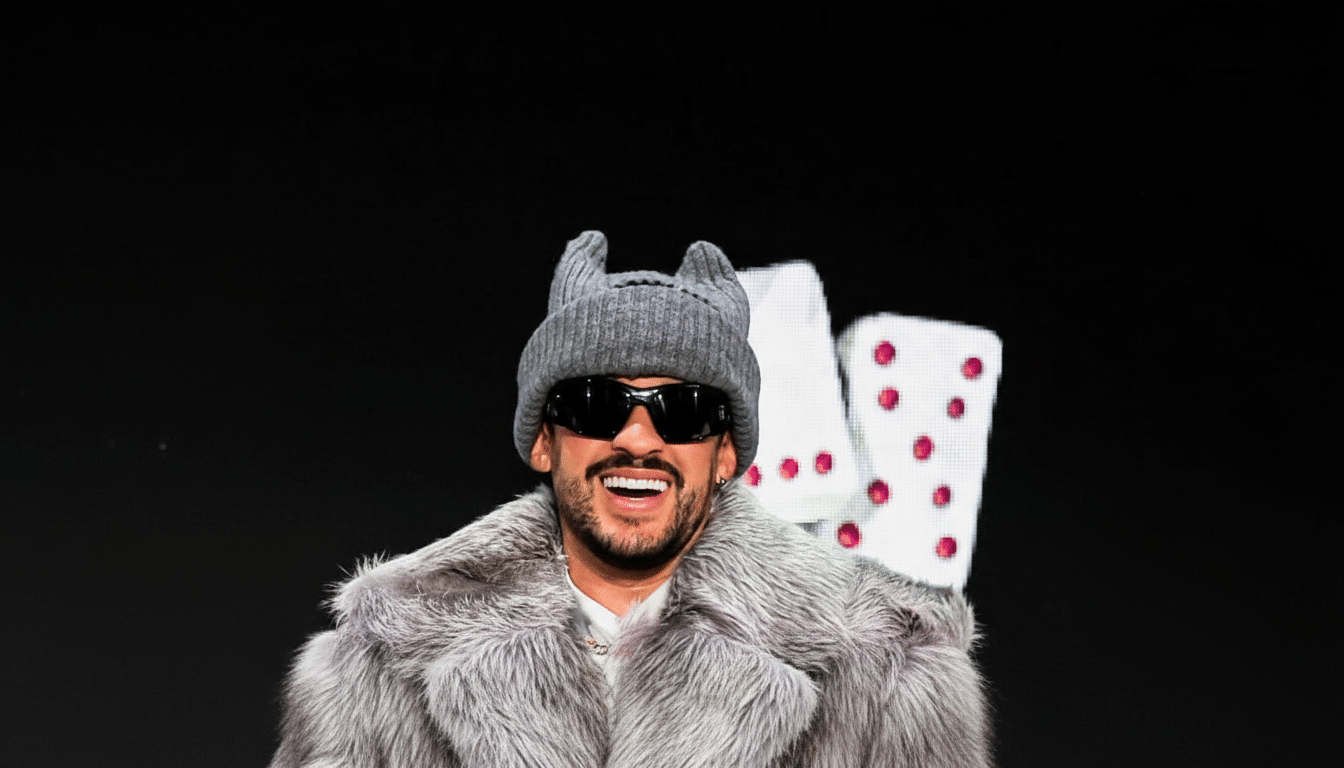
Even outside halftime, politics seep into the day. Green Day performed “American Idiot” in pregame festivities, a track long associated with critique of U.S. leadership, offering a parallel but more coded statement.
Why the Message Resonated with a Massive Audience
The United States is home to more than 60 million Latinos—about 19% of the population, according to Pew Research Center—while Latin music now dominates global streaming charts. A hemispheric “America” reflects demographic reality as much as ideology.
Nielsen has reported Super Bowl audiences topping 110 million in recent years. A message calibrated for that scale must translate fast: a familiar blessing, delivered in English, immediately followed by a roll call of the hemisphere and a simple slogan on a football. No chyron needed.
Politics Without a Lecture, Delivered Through Pop Spectacle
Bad Bunny’s approach avoided a direct confrontation while still drawing a boundary around inclusion. Framed as gratitude and unity, it challenged viewers to expand their mental map of America—an idea with concrete policy implications in immigration, disaster aid for territories, and cultural representation.
Clips of the moment ricocheted across social platforms because they worked on multiple levels: a crowd-pleasing closing beat, a linguistic wink to Spanish speakers, and a values statement for a mass U.S. audience. That layered design is why the message stuck.
The Bottom Line on Bad Bunny’s Halftime Message
By rephrasing “America” in front of one of TV’s largest audiences, Bad Bunny turned a halftime celebration into a cartographic correction. The politics were unmistakable, delivered with pop economy: together, we are the Americas—and that, too, is America.
