


AT&T’s opening gambit for the Google Pixel 10a is turning heads: $3.99 per month with any unlimited plan and no trade-in required. That simple set of conditions, paired with an online preorder freebie and aggressive business pricing, could give AT&T the edge over Verizon’s headline-grabbing $0 offer that hinges on adding a new line.
Why AT&T’s pricing math works for far more customers
AT&T isn’t advertising a straight price cut. Instead, the $3.99 figure is delivered as bill credits spread over a 36‑month installment plan on any postpaid unlimited tier. You’ll still owe taxes on the full $499 retail price and a standard activation or upgrade fee, and the credits stop if you cancel service or pay off the phone early. Even so, for existing customers who don’t want to change plans or add lines, the barrier to entry is low and the monthly outlay is predictable.
- Why AT&T’s pricing math works for far more customers
- Extras and incentives that could tip the value scales
- What the Pixel 10a actually delivers for your money
- The fine print on plans and credits still matters
- Who benefits most from each carrier’s Pixel 10a deal
- Bottom line: choose the offer that fits your needs
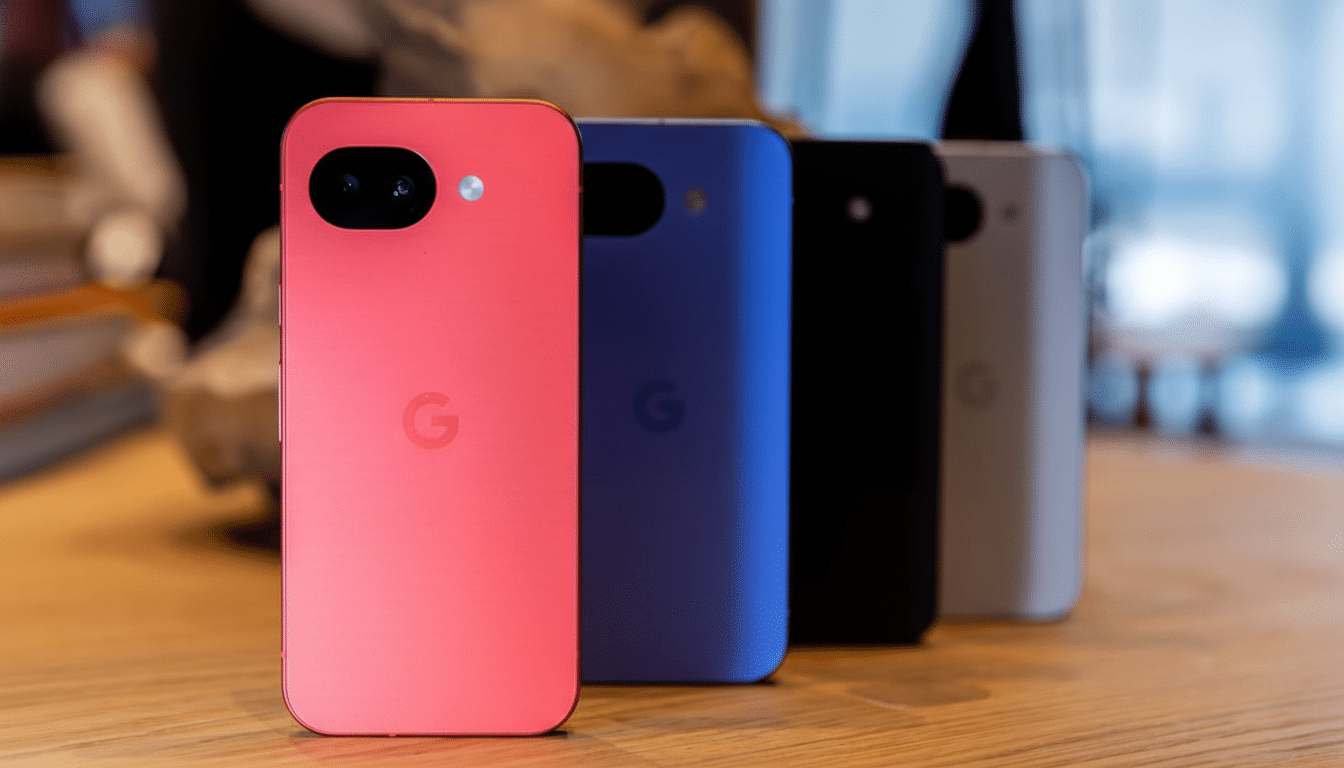
Contrast that with Verizon’s $0 Pixel 10a pitch, which is undeniably compelling on the surface. The catch is eligibility: it typically requires adding a new line on select, higher‑priced unlimited plans and receiving monthly credits over a similar 36‑month horizon. If you actually need that extra line, Verizon’s deal is a slam dunk. If you don’t, the added plan cost can easily dwarf any device savings. For single-line users and families already content with their plan configuration, AT&T’s “no trade‑in, no new line” simplicity can be the cleaner win.
There’s also an overlooked value lever in AT&T’s approach: keeping your current phone. Because no trade-in is required, you can resell an older device or hand it down, effectively stacking extra savings on top of the $3.99 arrangement. On secondary markets, even aging phones can return meaningful cash, which narrows the gap between an installment deal and buying unlocked outright.
Extras and incentives that could tip the value scales
AT&T is bundling a limited‑time online preorder incentive: a complimentary pair of Pixel Buds 2a automatically added to your cart. Accessories aren’t make‑or‑break for everyone, but free earbuds are tangible value for a mid‑range shopper, sparing an immediate add‑on purchase.
For organizations, the carrier is also dangling a business‑only option that prices the Pixel 10a at $0.99 on a two‑year service commitment. Early termination fees can apply, but for companies already standardizing on AT&T, it’s a budget‑friendly way to refresh fleets without negotiating special terms.
What the Pixel 10a actually delivers for your money
The Pixel 10a itself is a strong mid‑tier value at a $499 MSRP. It’s built around Google’s Tensor G4, with a brighter 6.3‑inch 120Hz display, a 5,100mAh battery sized for all‑day use, and seven years of OS and security updates—an update horizon that outpaces most rivals in this price band. Gorilla Glass 7i improves durability, the dual‑camera system continues Google’s computational photography streak, and satellite SOS support adds a safety net for emergencies. For buyers who prioritize long software support and on‑device AI features, the 10a checks the right boxes.

The fine print on plans and credits still matters
Both carriers rely on long‑term bill credits, which means your total cost is tied to staying put for the full term. If you anticipate switching carriers or paying off early, factor in that you’ll forfeit remaining credits. It’s also smart to budget for one‑time activation fees and taxes on full MSRP—costs that don’t appear in the $3.99 or $0 marketing lines.
Network quality is another swing factor. Independent testers like Opensignal and RootMetrics regularly show regional differences in 5G coverage, consistency, and speeds across AT&T and Verizon. J.D. Power’s wireless network quality studies echo the same story: performance varies by market. Given the 36‑month commitment structure, confirm coverage where you live, work, and commute before you lock in any deal.
Who benefits most from each carrier’s Pixel 10a deal
Choose AT&T if you’re an existing customer who wants a straightforward discount without adding a line or trading in a device. The offer also favors shoppers who value the included earbuds and those who want flexibility to resell an old phone. For small businesses, the $0.99 option on a two‑year term is unusually aggressive for a brand‑new mid‑range device.
Choose Verizon if you’re already planning to add a new line on one of its qualifying unlimited plans—say, expanding a family account or migrating from prepaid to postpaid. In that scenario, the $0 monthly device credits deliver clean savings with minimal downside, provided you intend to keep the line active for the duration.
Bottom line: choose the offer that fits your needs
Verizon’s $0 headline is hard to ignore, but AT&T’s $3.99 structure is quietly more universal. No trade‑in, no new line, eligibility across all unlimited tiers, and a preorder freebie make it the more practical route for a wider slice of buyers. Carrier disclosures and pricing pages, as well as third‑party network analyses from Opensignal, RootMetrics, and J.D. Power, all point to the same conclusion: the best deal is the one that fits your actual needs. For many everyday upgraders, that could be AT&T’s.
