


AT&T has entered the kids’ smartphone category with the amiGO Jr. Phone, a Samsung-built handset positioned as a safer first phone for children. Priced at $209.99, the device pairs mainstream Android hardware with carrier-managed parental controls aimed at families that want reliable communication without opening the door to unfettered apps and social media.
What the amiGO Jr. Phone Offers in Specs and Features
Under the kid-friendly pitch is a surprisingly capable midrange device. The amiGO Jr. features a 6.7-inch Full HD display, Samsung’s Exynos 1330 chipset, 4GB of RAM, and 128GB of storage with microSD expansion up to 1.5TB. It connects to AT&T’s 5G network and houses a 5,000mAh battery with fast charging that reaches 50% in roughly 30 minutes.
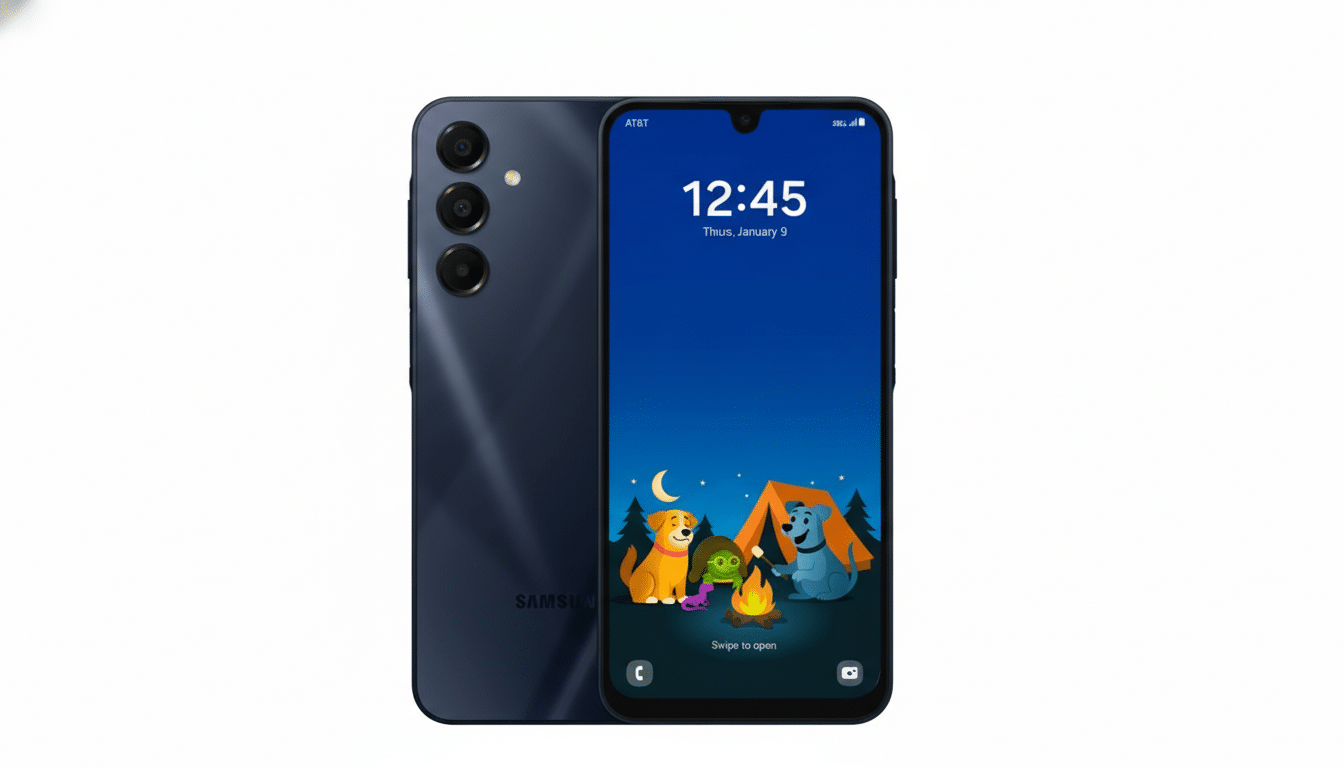
AT&T says the phone is durable and carries an IP54 rating for dust and splash resistance. That should help with everyday knocks and rainy-day mishaps, though it’s not a rugged device and there’s no stated screen reinforcement or bumper-style frame. For photos, the rear array includes a 50MP main camera, a 5MP ultra-wide, and a 2MP macro lens, with a 13MP selfie camera on the front.
The handset runs Android 16 at launch. AT&T hasn’t detailed its software update roadmap, which matters for long-term security and feature support on a device expected to last multiple school years.
Parental Controls and Privacy on the amiGO Jr. Phone
The amiGO Jr. is designed to be paired with the AT&T amiGO app on a parent’s Android or iOS device. From there, guardians can set schedules to limit phone use during school hours, establish daily time limits, and monitor app activity. Live Location and Safe Zone alerts add geofencing that notifies caregivers when a child arrives at or leaves designated areas like home, school, or practice.
AT&T lists monthly plans starting at $2.99 for these management features. Families will still need a wireless service plan for the line itself, so the true monthly cost combines connectivity and supervision. As with any youth-focused device, parents should review data practices: children’s location and usage data are highly sensitive. Organizations such as the Federal Trade Commission and the Family Online Safety Institute emphasize transparent settings, clear opt-outs, and age-appropriate defaults; the amiGO app’s controls align with those priorities, but the onus remains on guardians to configure them thoughtfully.
Where It Fits in the Kids’ Phone Market Landscape
Interest in limited, kid-safe smartphones has surged as families balance contact, safety, and screen-time limits. Common Sense Media reports that a substantial share of U.S. tweens now carry phones, while Pew Research Center has found that roughly 95% of teens own a smartphone—pressure that often pulls purchase timelines earlier. At the same time, many parents cite social media risks and distraction as top concerns.
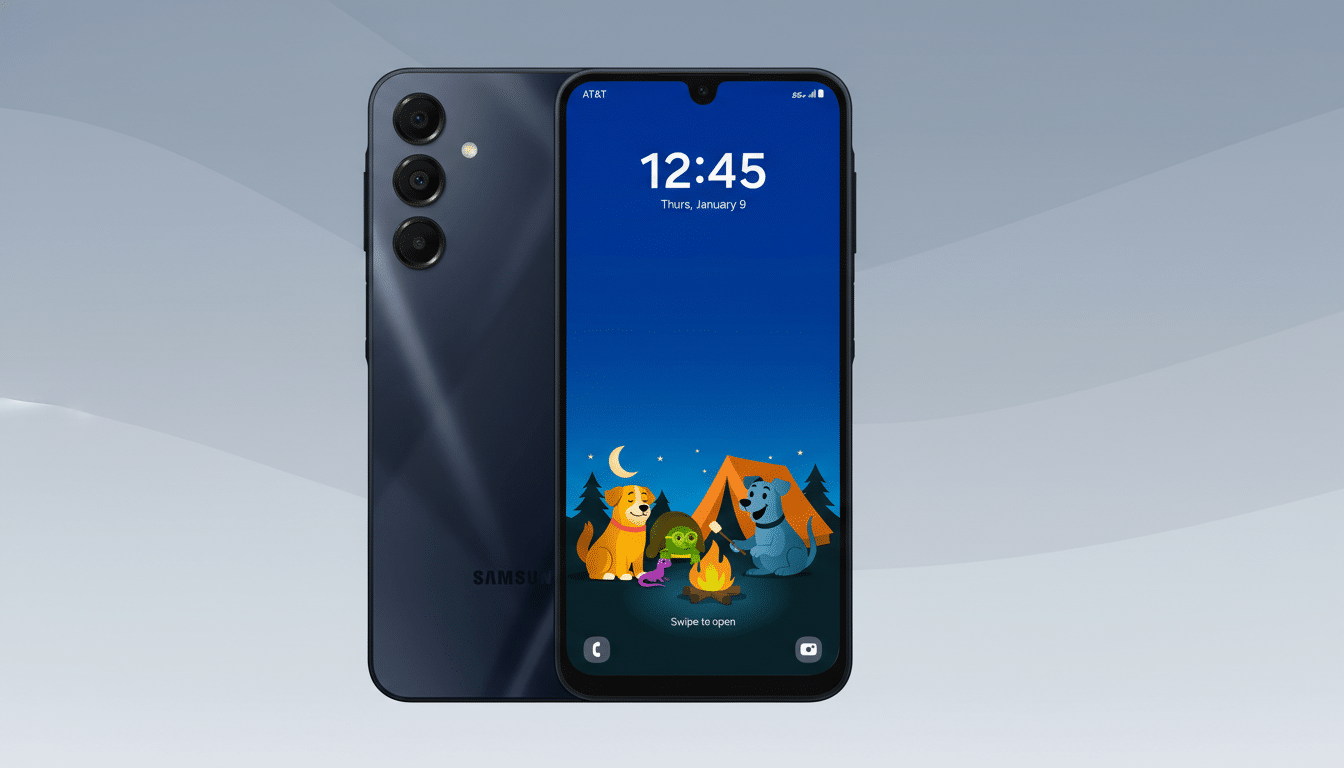
AT&T’s approach sits between two poles. On one side are walled-garden devices from brands like Gabb, Pinwheel, Bark, and Troomi that restrict app stores and social media by design. They’re highly curated but can feel limited as kids mature. On the other side are open smartphones configured with Apple Screen Time or Google Family Link—flexible, but demanding ongoing oversight to maintain boundaries. The amiGO Jr. blends mainstream Android with carrier-level guardrails. It offers more headroom than a purpose-built minimalist phone, while avoiding the anything-goes default of an unfiltered Android or iPhone.
Carriers are increasingly staking claims here. Verizon has long marketed Gizmo wearables for younger children, and T-Mobile promotes its SyncUP KIDS watch. AT&T itself is expanding the amiGO family with the $169.99 amiGO Jr. Watch 2 for kids not ready for a smartphone, creating a ladder from tracker-style wearables to a full handset.
What to Watch Before You Buy: Updates and Durability
Two practical questions stand out. First, updates: without a published policy for OS and security patches, it’s unclear how long the amiGO Jr. will stay current. Many kids’ devices fall out of support sooner than mainstream flagships, which can weaken safeguards over time. Second, durability: an IP54 rating helps, but families may want to add a case and screen protector given the large display.
Also note that AT&T has not defined a target age range. Younger children may be better served by the watch, while older tweens could quickly test the limits of any filtered experience. The good news is that the amiGO controls can be tuned as kids gain responsibility—tight at first, then loosened gradually to mirror new privileges.
Price, Plans, and Availability for AT&T’s amiGO Jr. Phone
The amiGO Jr. Phone is available through AT&T for $209.99. Parental management via the amiGO app starts at $2.99 per month, and a separate AT&T wireless plan is required for the line. For families weighing the broader market, that upfront price undercuts many specialty kid phones, while the modest supervision fee compares favorably—though total monthly costs will depend on the chosen data plan.
Bottom line: AT&T’s first kid-focused smartphone sticks the landing on value and control, pairing solid Samsung hardware with approachable, carrier-managed safety tools. The biggest unknown is long-term software support, but for parents seeking a starter phone that doesn’t feel like a toy, the amiGO Jr. belongs on the shortlist.
