


Asus has confirmed it will not release any new smartphones in 2026, a move that raises the possibility of the company stepping away from Android entirely. The decision, disclosed by chairman Jonney Shih at a company event in Taiwan and echoed by local media reports and DigiTimes coverage, suggests more than a routine product-cycle pause and leaves the fate of Zenfone and ROG Phone unclear.
While Asus emphasized that support will continue for existing owners—including software updates and warranty coverage—the company offered no roadmap for future Android devices. That silence has already triggered speculation across the industry that Asus could shift its mobile engineering talent toward AI-heavy categories rather than return with another generation of phones.
What Asus Said and What It Means for Its Phones
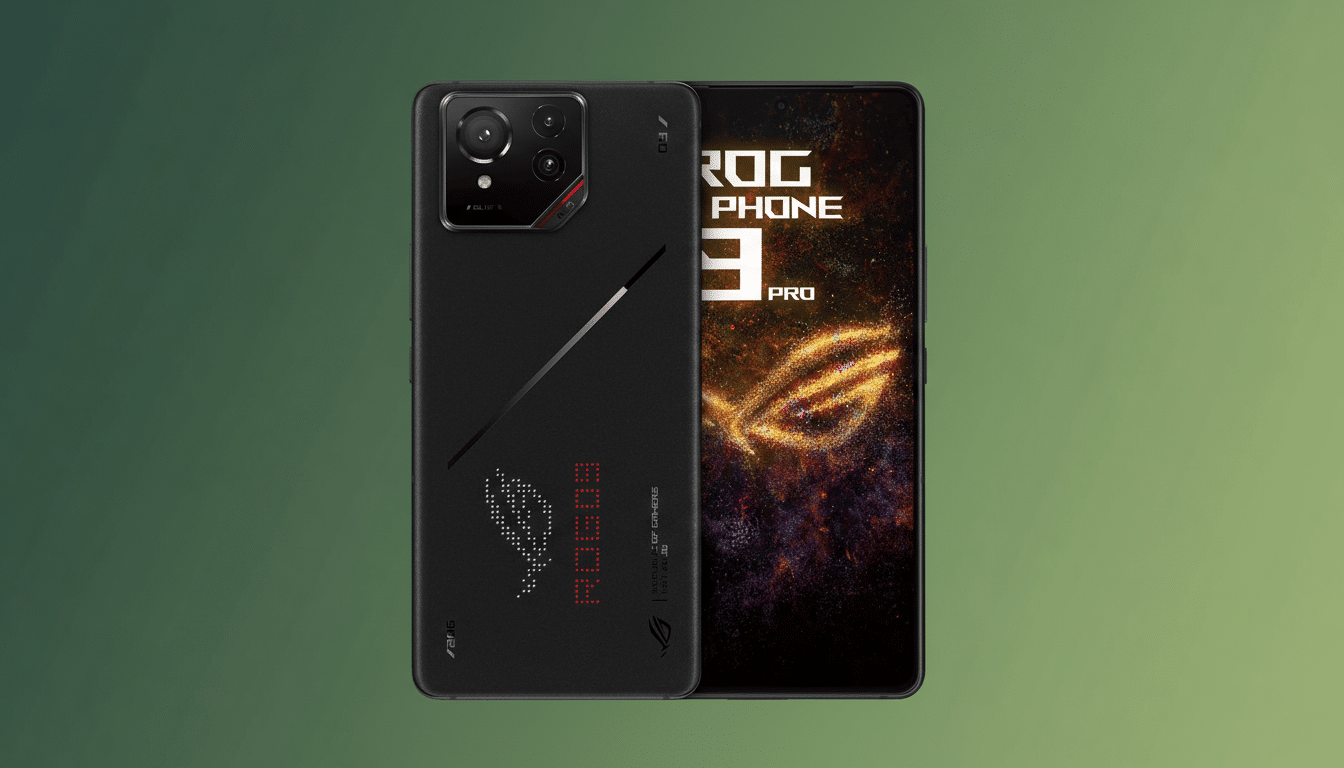
Shih’s remarks pointed to a halt in adding new models, without committing to a restart date or platform. Read plainly, that implies both Zenfone and the gaming-focused ROG Phone lines are on ice. In recent months, Asus listings for ROG Phone 8 and 9 have lingered on its site yet shown limited or no US stock, and its flagship Zenfone presence has grown thinner in key Western markets.
Asus has long been a niche player in smartphones, known for compact premium devices like the Zenfone 9 and 10 and its thermal and control innovations in the ROG series. A pause disrupts that identity and removes one of the few brands pushing distinct hardware ideas in Android—particularly for mobile gamers who valued dedicated triggers, high-refresh displays, and aggressive cooling.
Impact on Android and Gaming Phones if Asus Pauses
The broader Android ecosystem has been consolidating around a handful of global giants. Research from Canalys and IDC has repeatedly shown the top five vendors account for the vast majority of shipments, leaving limited room for smaller players to scale. Even if Android still hovers around roughly 70% of global share by shipments, the addressable space for niche brands has narrowed as marketing costs, component pricing, and carrier gatekeeping have risen.
Gaming phones are an even slimmer niche. Lenovo previously exited dedicated gaming handsets, and Razer’s phone effort wound down years ago. RedMagic remains a prominent specialist and has already used the Asus news as a rallying point, but a single-brand niche is inherently fragile. Without Asus, accessory ecosystems, game optimization partnerships, and developer testing matrices could tilt more toward mainstream flagships rather than purpose-built gaming phones.
Support Commitments and Existing Users of Asus
Asus says it will keep servicing current devices with software updates and warranty support. Owners of recent Zenfone and ROG models should continue to receive security patches and maintenance releases, though major Android version upgrades are less certain without a public roadmap. Historically, Asus has offered competitive update windows on its flagships, so the key watchpoint now is whether cadence slows as engineering resources are reassigned.
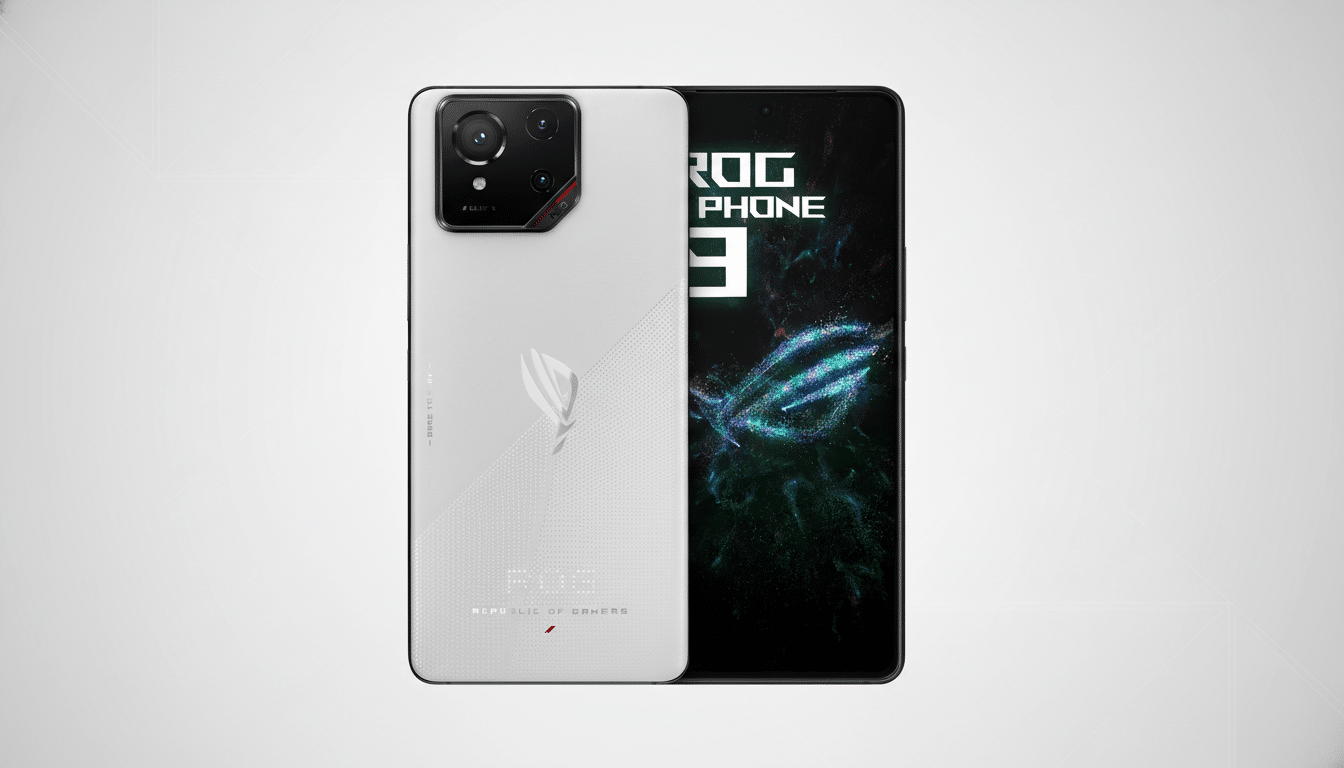
Retail signals already align with a wind-down. Multiple ROG Phone configurations have been hard to find in North America, and some Zenfone models have skipped select regions entirely. That scarcity likely reflects both strategic pullback and tighter component allocations as Asus reevaluates its phone pipeline.
Follow the Money: Memory Prices and an AI Pivot
Shih also flagged memory cost volatility as a factor. Analysts at TrendForce have documented multi-quarter swings in DRAM and NAND pricing since late 2023, with periodic spikes rippling through phones, PCs, and data center hardware. For a smaller smartphone vendor, that volatility can compress margins more quickly than for scale players with longer contracts and stronger hedging.
Asus hinted that smartphone R&D talent may be redirected to AI-centric projects—think smart glasses, robotics, edge AI accessories, or even PC-adjacent devices. The company already leans heavily on high-performance computing through its ROG laptops, motherboards, and GPUs. Repurposing thermal, power, and radio engineering expertise for AI wearables or connected robotics would be a logical, and potentially more profitable, redeployment.
Could Asus Leave Android Entirely After 2026 Pause
Asus has not explicitly said it will abandon Android, but pausing all new models removes the main reason to maintain Android handset certifications, bespoke UI overlays, and long-tail app compatibility work. If the company reemerges in consumer devices, it could prioritize categories that don’t require Google Mobile Services, or it could pursue platforms where it already commands scale, such as Windows PCs and gaming handhelds.
Signs to watch include regulatory filings for new phones, Qualcomm or MediaTek platform announcements naming Asus, and changes to the company’s developer documentation. Absent those, the most realistic scenario is a prolonged retreat from smartphones while the firm chases AI hardware opportunities and buffers itself against component price swings.
The Bottom Line on Asus’s 2026 Smartphone Pause
Asus stepping back from phones in 2026 is more than a gap year—it is a strategic reset that could end its run as one of Android’s most interesting niche players. Existing users should see continued support, but anyone waiting for a new Zenfone or ROG Phone should temper expectations. In a market dominated by a few giants and rising component costs, Asus appears ready to place its bets where it has more control, and increasingly, that looks like AI-driven devices rather than Android handsets.
