


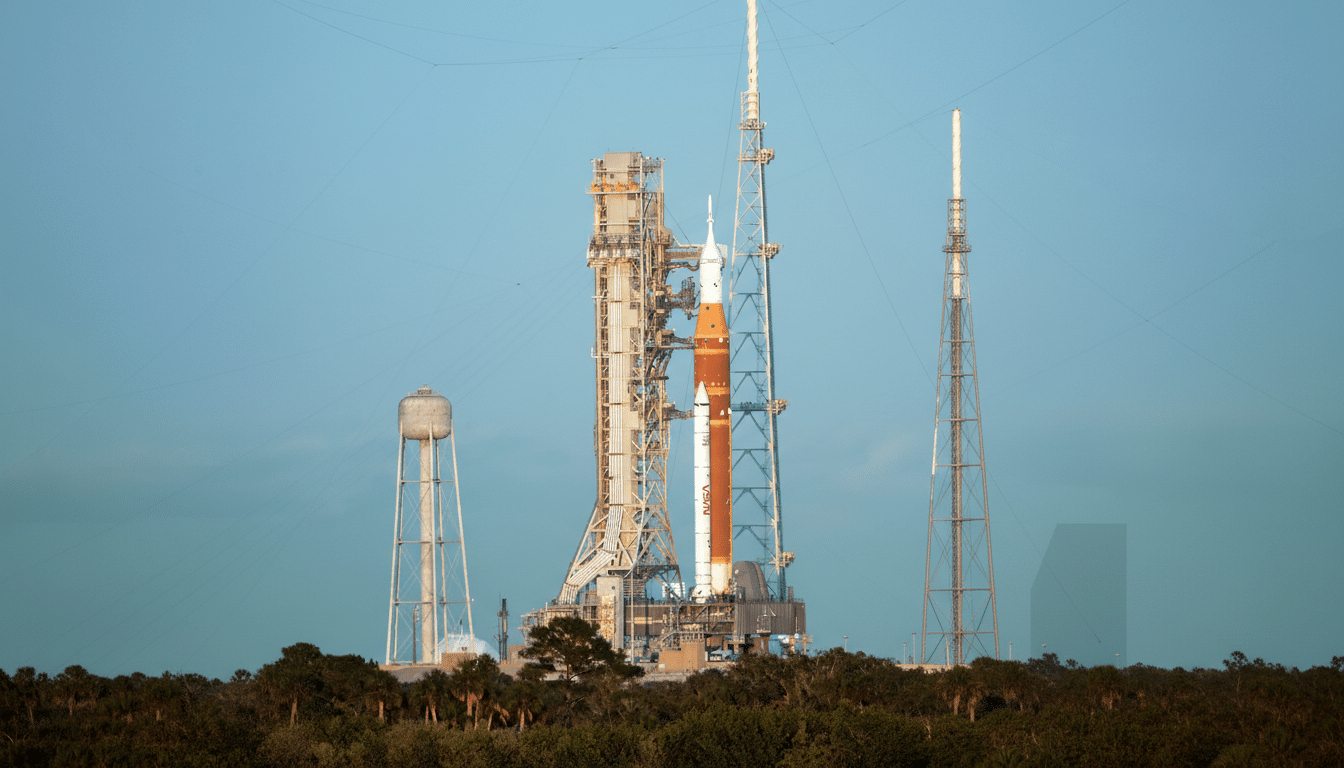
NASA’s first crewed flight to the moon in more than half a century has run into a fresh technical snag, as engineers reported an abnormal helium flow in the Space Launch System’s upper stage. The anomaly, discovered during routine pressurization operations at the launch pad, is significant enough that a rollback to the Vehicle Assembly Building now appears likely—pushing the mission off its near-term launch window.
Agency officials say the rocket and spacecraft remain in a safe configuration, but the issue will require deeper inspection and potentially hardware swaps that can’t be performed outdoors. In practical terms, that means more time, more testing, and a schedule reshuffle for the Artemis 2 team.
What Went Wrong With Helium Flow On SLS Upper Stage
During a standard step to restore and verify pressure in the system, the ground crew could not get helium to flow as expected through the Interim Cryogenic Propulsion Stage (ICPS), the SLS upper stage powered by an RL10 engine. Early fault isolation points to a handful of usual suspects: the ground-to-vehicle quick-disconnect interface, a stage valve that may be stuck or out of tolerance, or a clogged filter in the helium line.
Any of those components would require access inside the Vehicle Assembly Building, the 525-foot-tall hangar where SLS hardware is serviced. While teams evaluate data, a backup method is maintaining stable conditions in the upper stage, buying time for a careful diagnosis rather than a risky at-pad fix.
Why Helium Matters For SLS And Orion Missions
Helium isn’t fuel, but it’s the quiet workhorse of cryogenic rocketry. The inert gas pressurizes propellant tanks, actuates valves and regulators, and purges lines of flammable hydrogen. In a system moving hundreds of thousands of gallons of super-cold liquid hydrogen and oxygen, even a small pressurization shortfall can ripple across automated checks. For context, a few psi off-nominal can trigger limits that halt tanking or engine conditioning.
Cryogenic temperatures complicate everything. Seals shrink, metal contracts, and microscopic contamination can form ice in filters. NASA encountered fluid and umbilical issues during the Artemis 1 campaign and mitigated them with revised loading procedures and hardware tweaks. The echo of a helium-side problem now—on a crewed mission—demands a higher bar for certainty before proceeding.
Rollback Looms And Schedule Impacts For Artemis 2
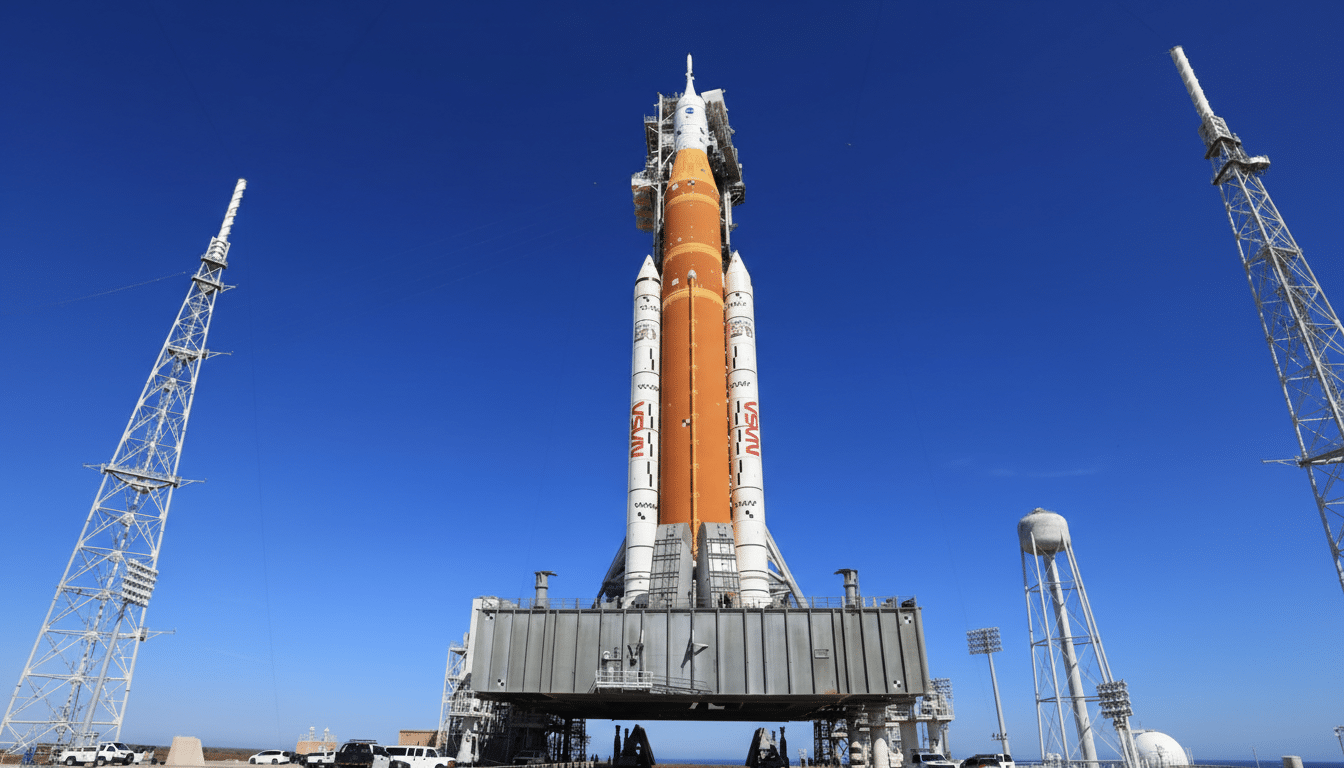
If managers commit to a rollback, the 322-foot SLS will be returned roughly four miles to the assembly building atop the crawler-transporter. The move itself takes most of a day, followed by days of reconfiguration before hands-on work begins. Replacing a valve or cleaning a filter can be straightforward; proving the fix is not. Expect functional checks, leak tests, and likely another cryogenic tanking run to retire risk.
NASA’s schedule discipline is intentionally conservative for crewed flights. The Government Accountability Office has repeatedly noted that large space programs benefit from planning reserve and 70% confidence scheduling. A short slip now could still protect later opportunities in the spring, but teams will not trade safety for calendar pressure.
Crew Status And Mission Stakes Ahead Of Flyby
The four-person crew—Commander Reid Wiseman, Victor Glover, Christina Koch, and Canadian astronaut Jeremy Hansen—had begun preflight quarantine and have since been released from sequester while the rocket stands down. Their 10-day lunar flyby will stress-test Orion’s life support, communications, and navigation far beyond low Earth orbit, setting up the first surface mission to follow.
The Aerospace Safety Advisory Panel has urged caution as NASA closes out human-rating work on Orion and ground systems, especially after postflight findings from Artemis 1 such as unexpected heat shield char behavior. A helium-system irregularity on Artemis 2 underscores that ground interfaces and pressurization hardware carry equal weight in the risk calculus.
How This Fits The Bigger Picture For Artemis Program
Delays in complex lunar missions are more the norm than the exception. SLS generates about 8.8 million pounds of thrust at liftoff, and its upper stage must execute with precision to send Orion onto a free-return trajectory around the moon. Ensuring clean helium flow protects that sequence and guards against hydrogen accumulation, which can be both a performance and safety hazard.
Once the suspected component is inspected and, if necessary, replaced, expect NASA to conduct a thorough verification campaign. That could include an at-pad cryogenic demonstration before the next launch attempt. It is the slower, surer path—and the right one when the mission carries people and the long-term credibility of the Artemis program.

