


NASA is closing in on the first crewed trip to the moon in more than half a century, with Artemis 2 now tracking toward launch in a matter of weeks. The 10-day mission will send four astronauts on a looping flyby that pushes beyond the lunar far side before returning to Earth, a pivotal step that turns Artemis from a proving ground into a human expedition program.
Why Artemis 2 Matters for Human Lunar Exploration Now
Artemis 2 is designed as a crewed systems shakedown. It builds directly on the uncrewed Artemis 1 flight by activating Orion’s life support end-to-end, verifying cockpit displays and flight software under real crew operations, and rehearsing procedures the program will rely on for future landings. NASA officials say the team is targeting the earliest practical opportunity, contingent on data and final reviews, not the calendar.
Unlike the extended, distant retrograde orbit used in Artemis 1, this mission will embrace a free-return trajectory. Once Orion is headed for the moon, Earth and lunar gravity will bend its path home even if a later engine burn is unavailable. It is a classic but powerful hedge against contingencies—one refined since Apollo and adapted to Orion’s modern flight envelope.
The Four Astronauts And Their Milestones
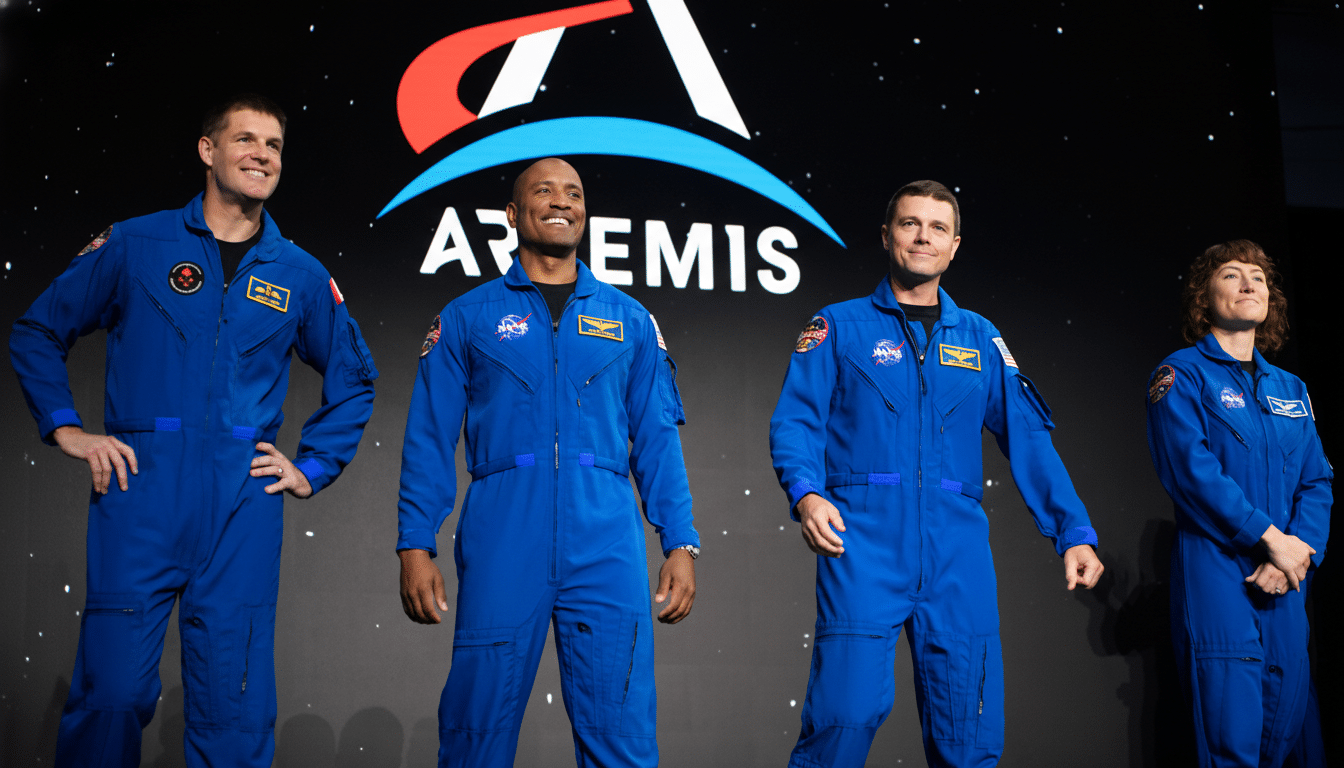
Commander Reid Wiseman, pilot Victor Glover, and mission specialists Christina Hammock Koch and Jeremy Hansen will fly atop NASA’s 322‑foot Space Launch System from Kennedy Space Center. The crew reflects the coalition behind Artemis: Koch is poised to become the first woman to journey toward the moon; Glover is set to be the first Black astronaut to do so; and Hansen, from the Canadian Space Agency, will be the first international partner to take part in a lunar voyage.
Early in the mission, Orion will pause in a high Earth orbit for roughly a day to allow extensive checkouts while the spacecraft remains close to home. During this phase, the crew will manually maneuver near the spent upper stage to practice proximity operations—skills needed for future docking with a lunar lander—using window views and camera feeds to fly precise approaches and retreats.
Trajectory And Heat Shield Changes After Artemis 1
Post-flight forensics on Artemis 1 revealed unexpected charring behavior on Orion’s ablative heat shield. Engineers have since updated the reentry profile to temper peak heating and spread loads more evenly during the capsule’s skip-entry plunge into the Pacific. Targeting a recovery zone nearer to Southern California shortens the hottest segment of the descent while maintaining robust landing margins for the recovery team.
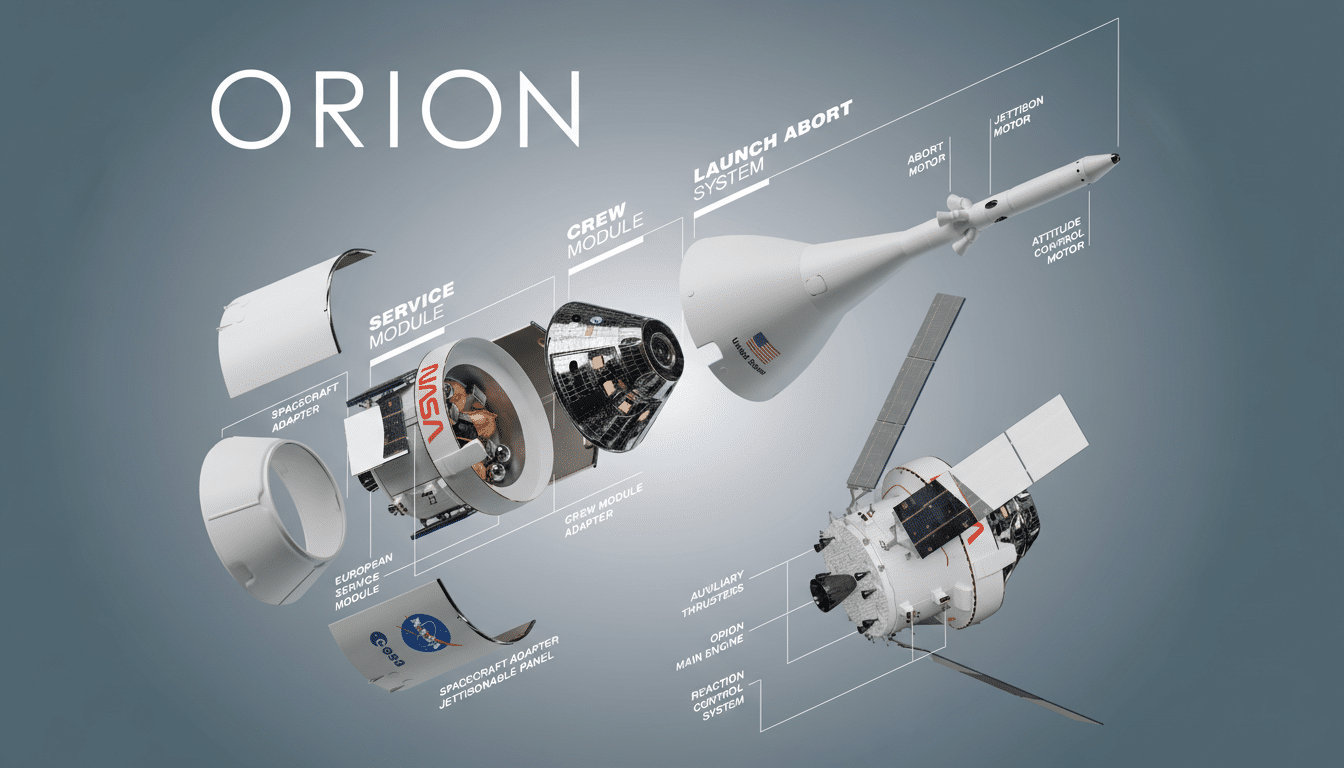
These refinements complement the free-return path and high-orbit checkout, layering multiple safety nets into the flight plan. NASA’s Exploration Systems Development leadership has emphasized that Artemis 2 is a stepwise validation of life-critical systems, not a publicity sprint—each adjustment reflects lessons learned, codified into the playbook for subsequent landing missions.
How Far This Artemis 2 Voyage Will Travel Through Space
After the outbound transit—about four days—Orion is expected to arc roughly 4,600 miles beyond the moon before heading home. Depending on the precise launch opportunity, the spacecraft could set a new human distance record of around 257,000 miles from Earth, surpassing the 248,655 miles achieved by Apollo 13. Mission planners stress that while records are notable, the real objective is operational: exercising the spacecraft, crew procedures, and mission control choreography under deep-space conditions.
The entire flight will be a communications and navigation workout. Deep Space Network passes, trajectory corrections, radiation environment monitoring, and biomedical tracking will all feed datasets into NASA’s analysis. Orion’s environmental control system will operate continuously with a crew for the first time, producing the evidence base the agency needs before attempting a lunar landing.
From Weeks to Wheels-Up: Final Reviews Before Launch
What stands between Artemis 2 and liftoff are the discipline and data gates that have defined human spaceflight since Apollo: integrated systems tests, flight readiness reviews, and day-of-launch rehearsals. Program leaders, including managers at Johnson Space Center and Marshall Space Flight Center, have been plainspoken about resisting “launch fever.” As one senior manager put it, readiness is a verdict the data delivers, not a date on a wall.
If the remaining checkouts perform to expectation, NASA could greenlight the first crewed lunar flyby in more than 50 years within weeks. That single decision will unlock a cascade—rollout, propellant load, terminal count—that ends with four astronauts seeing the moon rise beyond Orion’s windows. It will also mark the moment Artemis stops being a promise and becomes a pathway, carrying lessons forward to the first surface return and, ultimately, toward Mars.
