


A new peer-reviewed study from Amsterdam UMC reports that Apple Watch–based screening significantly improves detection of atrial fibrillation, identifying nearly four times as many cases as conventional monitoring among older adults at high risk of stroke.
Study Finds Fourfold Jump in AF Detection
Researchers followed 437 patients for six months, with a median age of 75 and elevated stroke risk. Half the participants wore an Apple Watch for roughly 12 hours a day; the other half used standard outpatient monitoring with adhesive chest electrodes and a portable ECG recorder.
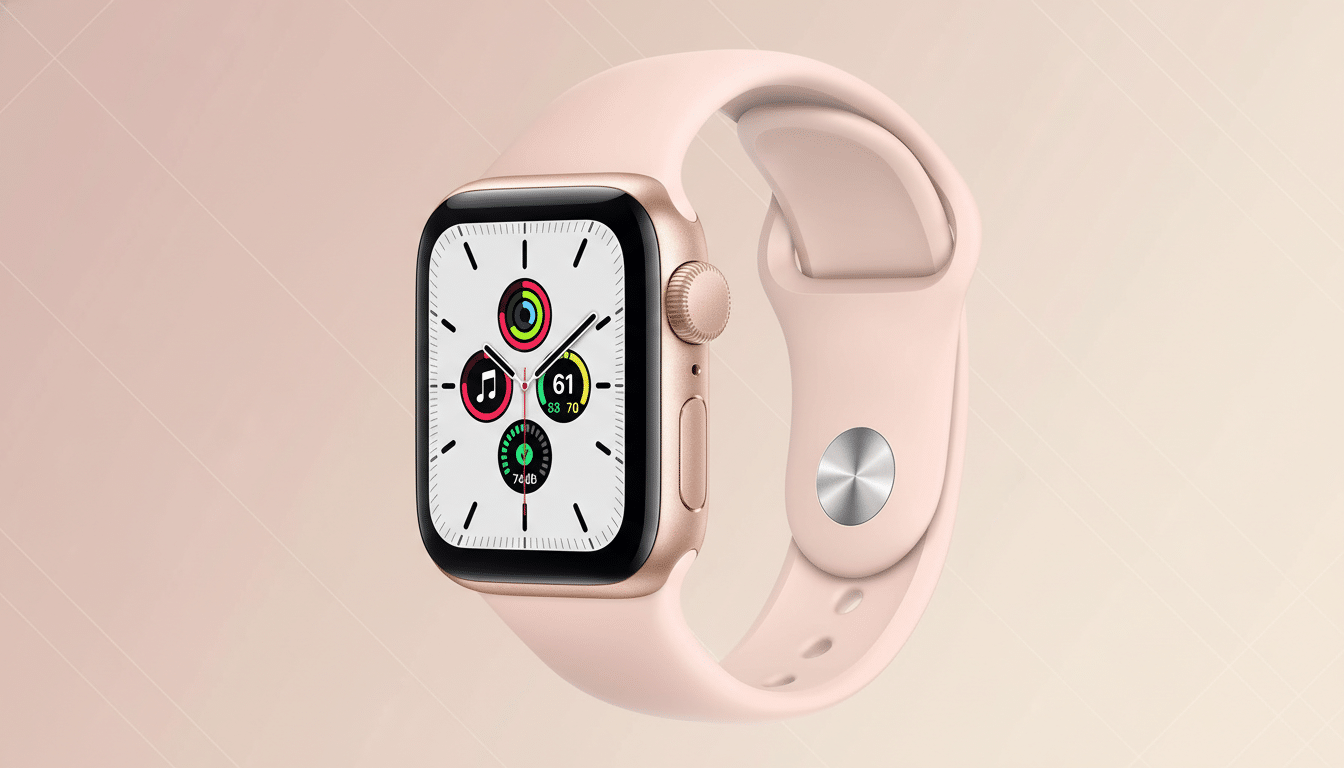
The difference in yield was striking. The smartwatch group produced 21 atrial fibrillation diagnoses versus five in the conventional arm. Notably, 57% of smartwatch-detected cases were asymptomatic—people who likely would have gone unnoticed using symptom-triggered testing alone. In contrast, all diagnoses in the standard group occurred in patients already experiencing symptoms.
Lead cardiologist Michiel Winter of Amsterdam UMC says early identification can shorten time to treatment and may reduce stroke risk, with potential savings that could offset device costs. While the trial focused on detection, clinicians know that timely anticoagulation in appropriate AF patients lowers the likelihood of stroke and hospitalization.
How the Apple Watch Flags Heart Arrhythmias
Apple Watch monitors rhythm using two complementary technologies. Photoplethysmography (PPG) tracks pulse wave irregularity via optical sensors that measure blood volume changes at the wrist. When irregular patterns persist, users can capture a single‑lead ECG using electrodes built into the watch and Digital Crown—features Apple introduced with Series 4 and cleared by the FDA for rhythm classification.
Compared with brief, scheduled ECG recordings, wrist-worn monitoring samples far more of a person’s day, improving the odds of catching intermittent AF. That continuous, low-friction observation likely explains the detection advantage seen in the Amsterdam cohort, where participants accumulated hours of wearable data without specialized equipment or clinic visits.
Prior large-scale research supports the approach. The Stanford-led Apple Heart Study, which enrolled more than 400,000 participants, reported that irregular pulse notifications had a positive predictive value of roughly 84% for AF when confirmed with ambulatory ECG patch monitoring—evidence that consumer wearables can meaningfully triage who needs clinical follow-up.
Clinical Benefits and Real-World Caveats
Finding asymptomatic AF matters: undetected episodes can silently raise the risk of stroke and heart failure. Early diagnosis opens the door to anticoagulation, rate or rhythm control, and risk-factor modification. For health systems, greater detection in high‑risk populations could translate into fewer emergency admissions and shorter hospital stays.
However, wearables are not a standalone diagnostic. False positives can occur with motion artifacts or other arrhythmias, and every alert should be confirmed with a clinical-grade ECG. Professional societies, including the American Heart Association and American College of Cardiology, emphasize confirmatory testing and shared decision-making. The US Preventive Services Task Force has also noted insufficient evidence to broadly screen average-risk adults, underscoring that targeting higher-risk groups—like those in this study—may be the most prudent near-term strategy.
Adherence and access matter, too. The Amsterdam study achieved about half-day wear time on average, which was enough to improve detection. In the wild, battery life, user comfort, and digital literacy can influence results. Data integration with electronic health records and clear workflows for triaging alerts are essential to keep clinics from being overwhelmed.
What It Means for Patients and Providers
The takeaway is pragmatic: in older adults at elevated stroke risk, Apple Watch–guided rhythm surveillance can surface clinically important AF that traditional monitoring misses, especially in people without symptoms. For clinicians, incorporating wearable data into care pathways can accelerate evaluation, provided there’s a plan for confirmation, counseling, and treatment.
Apple is not alone—rivals from Samsung, Fitbit, Huawei, and Withings also offer PPG and ECG features—but this study adds real-world, peer-reviewed evidence that mainstream smartwatches can meaningfully augment arrhythmia detection. The next step is outcomes research that shows not just more diagnoses, but fewer strokes and lower costs across diverse health systems.
Until then, the message to high-risk patients is simple: if your clinician recommends rhythm monitoring, a well-configured smartwatch worn consistently can be a powerful ally—one that watches for trouble even when you feel fine.
