


Apple is gearing up for a March event expected to spotlight new Macs and iPads. Based on credible reporting and supply chain chatter, here’s what looks most likely to appear on stage—and the one headline-grabbing rumor you can safely ignore.
Two forces are driving expectations: Apple’s push to broaden Apple Intelligence across more devices and a pragmatic need to reinvigorate iPad and Mac sales. Apple’s latest fiscal filings show iPad revenue at roughly $28 billion and Mac around $29 billion, while market trackers such as IDC continue to rank Apple the top tablet vendor by shipments. That combination of AI ambition and category stewardship points to strategic, not splashy, updates.
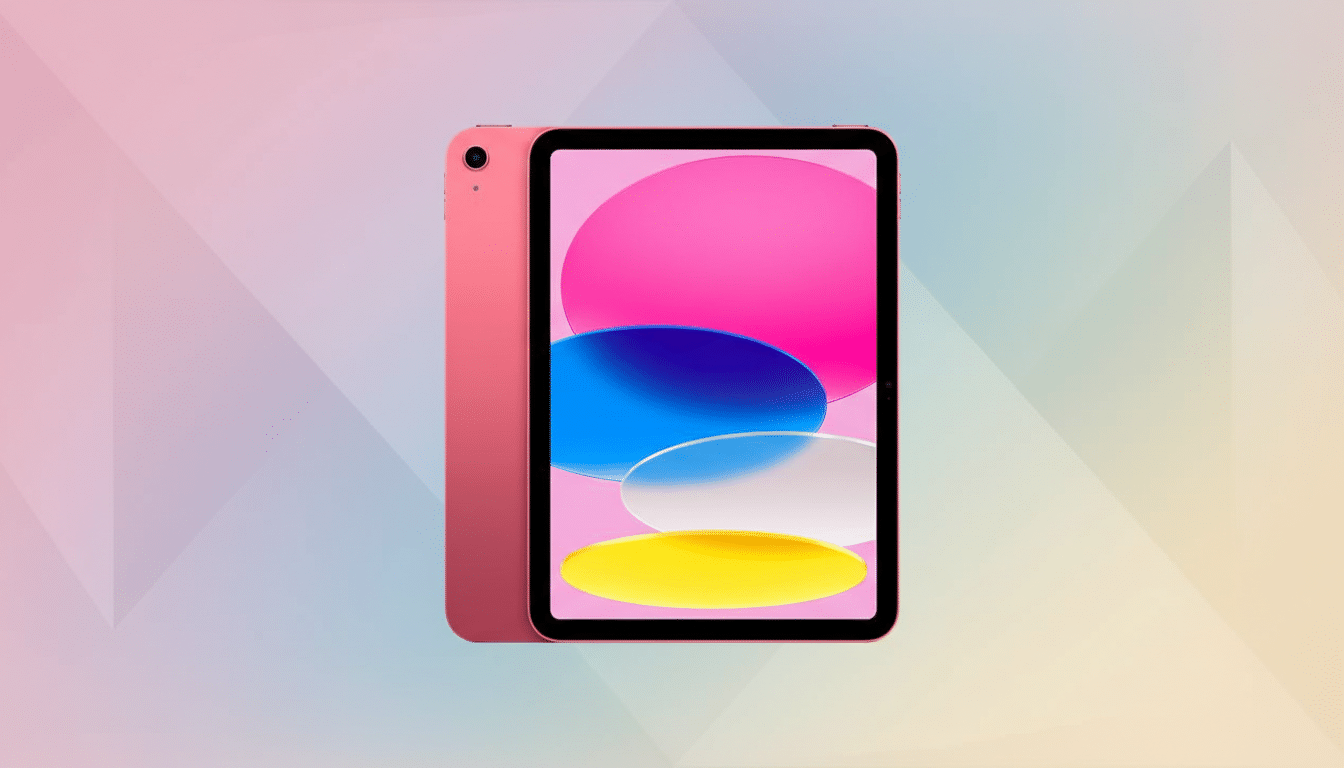
iPad Line Poised For An AI Upgrade At March Event
Entry iPad: Expect Apple to refresh the base model with a more modern chip—rumors center on an A18-class processor—to unlock Apple Intelligence features that currently require A17 Pro or M-series silicon. That would bring on-device writing tools, image generation, and smarter system features to Apple’s most affordable tablet, expanding AI access without forcing buyers into Pro pricing. Watch for a landscape-oriented front camera to remain standard, plus incremental upgrades like better wireless and battery efficiency.
iPad Air: Multiple reports, including consistent hints from Bloomberg’s Apple coverage, suggest the next Air will step up to Apple’s M4 architecture. That aligns with Apple’s broader silicon play: bigger Neural Engine gains for on-device AI, faster media engines for ProRes and AV1, and longer sustained performance in creative apps. Don’t expect OLED here—the Air’s sweet spot is value—so a refined LCD with higher brightness and improved anti-reflective coating is the more realistic path.
Accessories: Pencil compatibility will remain a selling point. Developers have already embraced features like squeeze and barrel roll on Apple Pencil Pro, and bringing more of those controls to midrange iPads would widen the audience for precision note-taking and illustration. Keep an eye on a lighter Magic Keyboard option tailored to Air and base models; Apple has steadily made keyboards thinner and sturdier, and an entry-friendly variant would fit an education push.
Macs Likely On Deck With Air And Pro Updates
MacBook Air: The cadence points to new 13- and 15-inch Air models with next-gen M-series chips focused on performance per watt and a much larger Neural Engine. Expect quality-of-life upgrades—Wi-Fi 7 for faster networking, higher base storage, and potentially more flexible external display support in clamshell mode—all designed to keep the Air as the default Mac for students and mobile pros. IDC’s late-year data showed Macs stabilizing after a tough PC cycle, and an AI-ready Air would capitalize on that momentum.
MacBook Pro: Rumors of M-series Pro and Max upgrades always circulate, but Apple historically reserves its most workstation-class announcements for separate windows. If the Pro family appears, expect restrained bumps rather than a full redesign—think faster Neural Engine, media engines tuned for creators, and minor thermal refinements. The headline here is Air volume, not Pro shock-and-awe.
Low-cost MacBook: Reports from The Information and regional supply-chain outlets have floated an education-focused MacBook positioned below Air. It’s plausible—especially for districts standardizing on web apps—but signs like regulatory filings or widespread developer logs have been scant. If it does sneak in, anticipate durability and price to be the story rather than raw specs.
The Biggest Rumor You Can Ignore At This Event
A touchscreen MacBook is extremely unlikely at this event. Yes, Apple has explored touch internally—Bloomberg has reported as much over the years—and display analysts at DSCC have mapped out OLED laptop timelines that would make touch hardware more feasible. But shipping a touch Mac would require a deeper macOS overhaul and a third-party app transition that Apple typically telegraphs at its developer conference. Given Apple’s long-standing stance that the Mac is a pointer-first platform, this isn’t the moment for a UI paradigm shift.
What To Watch During The Stream And Why It Matters
- Apple Intelligence footprint: Does Apple explicitly promise broader AI feature parity across iPad and Mac, and do we hear bigger Neural Engine TFLOPS numbers?
- Pricing discipline: Are entry iPad and Air kept at familiar price tiers to seed more AI-capable devices?
- Practical upgrades: Wi-Fi 7, brighter panels, better webcams, and more external display flexibility would be small on paper but big in daily use.
The bottom line: Expect pragmatic, AI-forward updates to iPad and Mac that expand Apple’s modern feature set to more price points. Anticipate speed, battery, and camera polish—not radical form-factor changes—and skip the touchscreen MacBook hype until Apple signals a broader shift in how macOS is meant to be used.
