


Apple has added to its list of “obsolete” or “vintage” devices, and this time around, it’s a long list.
The company just updated its list of vintage and obsolete products to include the original iPhone SE, certain second-generation iPad Pro models, various special-edition Apple Watch Series 4 styles, and the Beats Pill 2.0 speaker that was introduced way back in September.
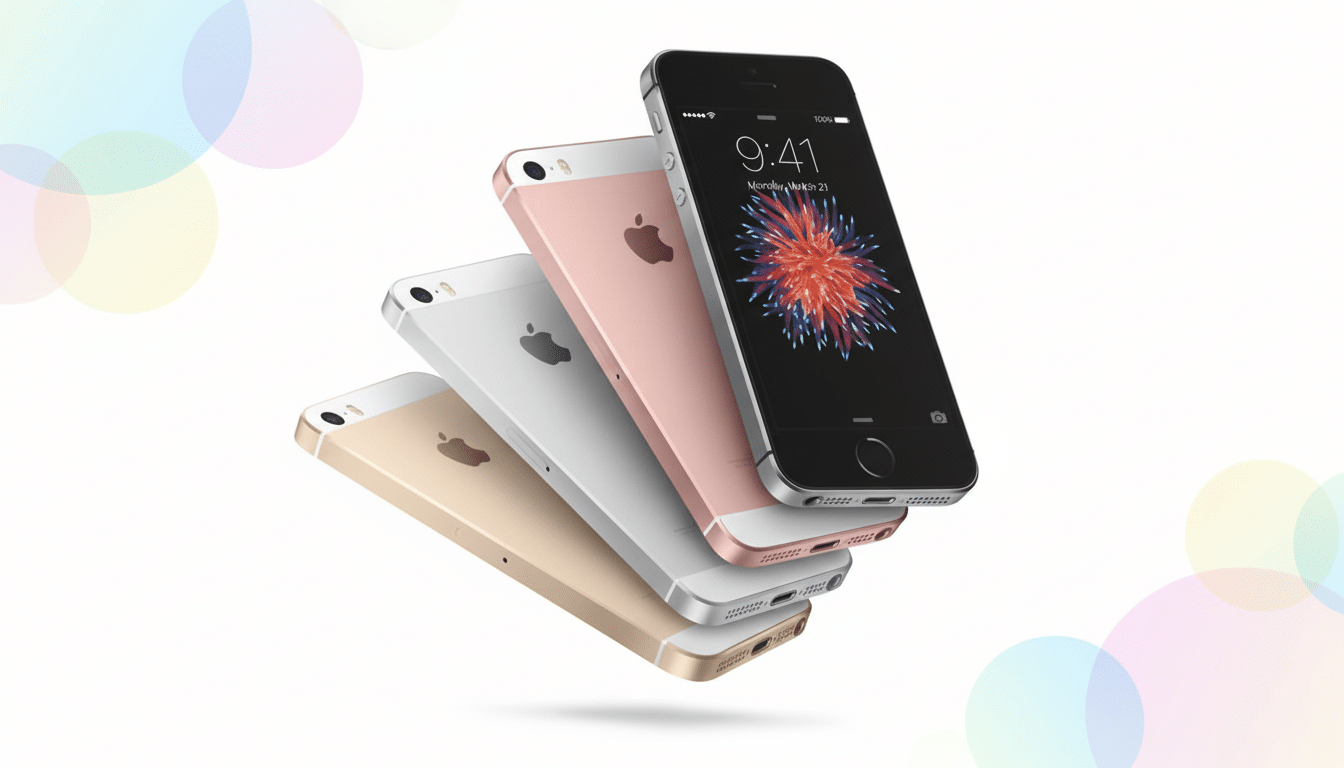
The silent update slams shut the door on official hardware fixes for these aging products while also showing how Apple handles support when devices are more than seven years removed from being sold in stores.
For owners, the change is about much more than a change of name. Being categorized as “obsolete” means that Apple Stores and Apple Authorized Service Providers cannot order parts or otherwise repair hardware with some very limited exceptions based on local laws. Most of these devices had stopped receiving software updates years ago, but this move removes any remaining safety net for repairs.
What obsolete status means for affected device owners
Apple’s policy on public support states that devices are considered “obsolete” or “vintage” when they have not been sold for seven years. Then, Apple stops all hardware service and parts logistics. “Vintage” is the precursor to that — five to seven years after last sale, when there still might be some parts available. When a device crosses into obsolescence, it’s basically the end of the line for official options.
That’s why only specific Apple Watch Series 4 versions made the leap. The Nike and Hermès editions typically leave stores long before the standard edition does, so they get to the obsolescence limit faster. It’s a nuance that frequently takes owners by surprise, who mistakenly think all models age out equally.
Filling the device gaps with specific affected models
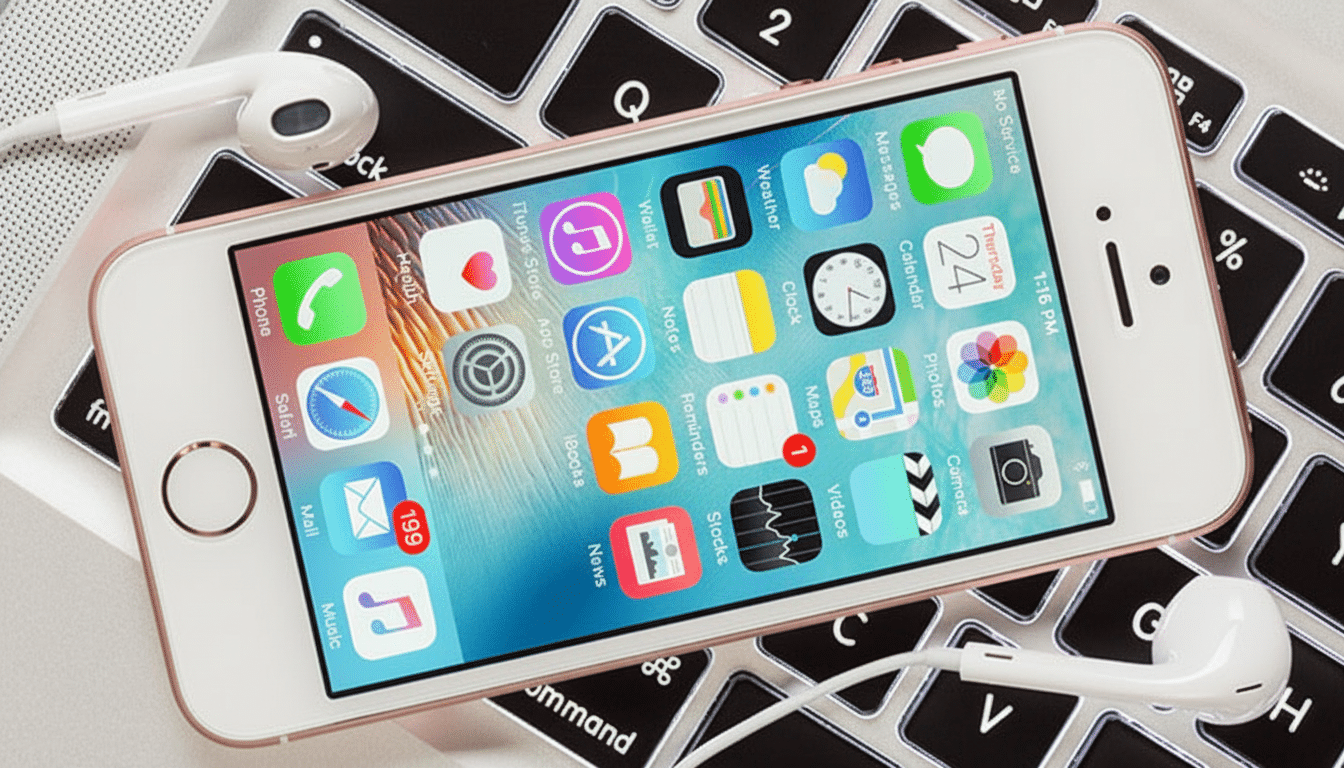
- iPhone SE (first generation): Released in 2016 as a pocket-sized, budget-friendly option, the first SE was introduced with a 4‑inch display and Touch ID combined with the A9 chip. It got a long tail from users who wanted smaller phones, and it received years of major iOS updates before dropping off the software roadmap. Today’s classification essentially puts an end to any Apple hardware service.
- iPad Pro (second generation): The 10.5‑inch and 12.9‑inch (second‑gen) iPad Pro models were a turning point in pro‑grade screens on iPads, with ProMotion 120Hz refresh rates. They have received extended software support, but as inventory and parts pipelines are being depleted, Apple is moving them to vintage status in its service system.
- Apple Watch Series 4 special editions: The Nike and Hermès editions go into obsolete status on timelines tied to their specific end‑of‑sale dates. The watches will continue to function as they do currently, but Apple and its authorized service providers won’t provide genuine parts‑based repairs.
- Beats Pill 2.0: Apple’s earlier approach to audio in the form of a portable speaker also made for a walk down memory lane. For owners, that translates to third‑party repair (or retirement!).
The persisting case for the iPhone SE’s lasting appeal
The first‑gen SE was pivotal. It showed there was sustaining demand for a smaller, less expensive iPhone that didn’t seem like a compromise. It found a place among shoppers who were on a budget, enterprise fleets — and those who just wanted a one‑handed phone. That long tail is also why repair shops and buy‑back programs are going to be haunted by their decision for a while.
Generalized support cutoffs amplify that impact. According to industry researchers like Counterpoint Research, the smartphone upgrade cycle in the U.S. is now more than three years on average, which means there are still pockets of first‑gen SEs and early iPad Pros and Series 4 watches being used every day. The longer devices linger around, the more service cutoffs bite.
Service and resale implications for vintage, obsolete gear
And, of course, obsolete status eliminates Apple’s battery swaps, display replacements, and most board‑level repairs. The service was officially available at 70 locations, and Apple announced 200 additional sites would get the Self Service Repair treatment by the end of 2022. Advocates for the right to repair, such as those at iFixit, point out aftermarket parts will also be an option in varying quality — with some features that depend on parts pairing or calibration not working exactly like factory replacements.
On the resale end, trade‑in values for outdated devices can sink to pocket change or $0 with Apple, but other resellers will offer a bit more for units in good condition. If you want to keep using an affected device, look into getting preventive maintenance from a trusted independent shop while good parts are still available.
What owners can do now to prepare, protect, and upgrade
- Back up and audit. Make sure you have full backups to either iCloud or a computer; also check in on two‑factor authentication options and any health or workout data if migrating to a new watch or phone. If you’re retiring a device, wipe it clean and remove it from your Apple ID.
- Evaluate upgrade paths. For small‑phone holdouts, Apple’s newer but compact‑leaning models and Certified Refurbished stock provide modern radios and longer update horizons. If you’re determined to get additional life out of existing equipment, make any remaining third‑party repairs soon — with parts availability shrinking over time, prices tend to rise.
- Recycle responsibly. Apple’s trade‑in program doesn’t cut you a check for your obsolete device, but its recycling program will take it. Apple’s environmental reports emphasize materials‑recovery techniques, such as disassembly systems to replenish stocks of aluminum, rare earths, and cobalt from old products.
- The takeaway is straightforward: these devices are still ticking, but Apple’s safety net is no more. The wisest move for an owner is to either service through independent shops in the short term or plan a transition — before the parts and practical options stop flowing.
