


Anonymity and provocation collided on an Austin sidewalk as a guerrilla art vending machine targeting Elon Musk appeared during SXSW, dispensing free “Epstein Files” zines to curious passersby. The pop-up, planted near busy festival footpaths, is the latest unsanctioned stunt to commandeer attention in a city where official activations and back-alley culture jostle for the same eyeballs.
A Street Corner Intervention With a Sharp Point
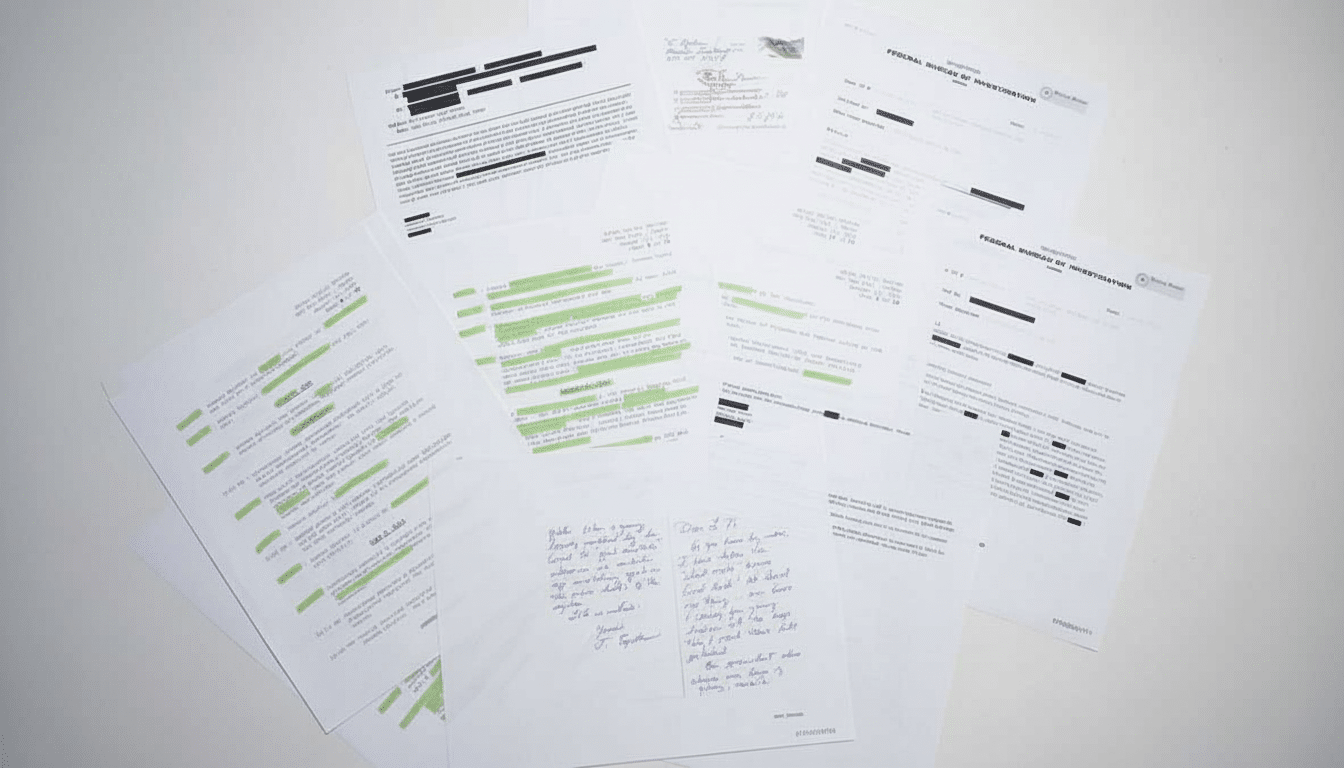
The vending machine is a compact, retrofitted unit wrapped in anti-Musk artwork and instructions inviting users to pull printed packets at no charge. Inside are stapled zines labeled “Epstein Files,” a reference to unsealed court records connected to the Jeffrey Epstein case that were widely reported on by major news outlets after federal filings became public. The packets mix collage-style graphics with sourcing notes and pointed commentary about power, accountability, and platform governance.
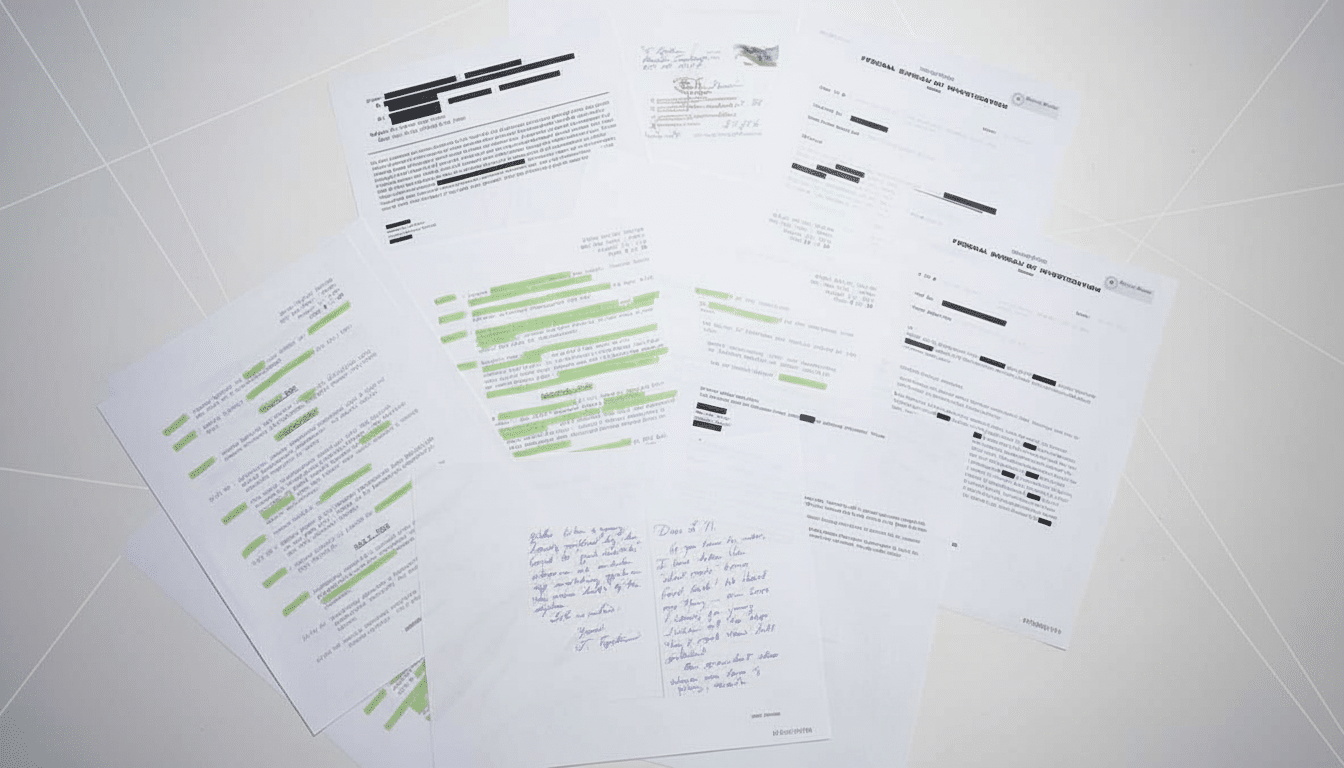
Organizers who remained anonymous at the scene said they were behind a separate “Epstein Walk of Shame” art trail that mysteriously appeared downtown earlier in the week. As with many guerrilla installations, the machine blended into the churn of SXSW until a small crowd formed, phones came out, and social feeds started populating with close-ups and unboxings.
Why Musk Is the Target of This Street Critique
Beyond general skepticism of billionaire influence, the stunt channels mounting criticism of xAI’s Grok, the Musk-linked chatbot that has been accused by researchers of producing sexualized imagery. The Center for Countering Digital Hate and reporting by the New York Times have alleged Grok generated millions of sexualized images in a brief testing window, including tens of thousands depicting minors. These findings, which the groups say were produced during an 11-day period, have spurred calls for stricter guardrails and potential regulatory scrutiny. xAI has said it works to prevent illegal content and abuse, and the broader AI sector has emphasized ongoing improvements to safety systems.
By dispensing “Epstein Files” ephemera, the installation evokes a charged cultural shorthand: court documents, accountability, and the role of platforms in shaping public narratives. It is less a legal brief than a street-level critique of perceived double standards in tech and media power.
Guerrilla Tactics Meet the Massive Scale of SXSW
SXSW’s sprawl and density make Austin an annual proving ground for both sanctioned brand spectacles and rogue creativity. City-commissioned analyses have estimated the festival’s economic impact at well over $300 million in recent years, and the sheer crush of attendees turns unpermitted interventions into ready-made stages. It’s a formula as old as the festival’s street culture: seize a corner, capture attention, let the internet do the rest.
That visibility carries risk. Austin’s Transportation and Public Works Department requires permits for objects placed in the right-of-way, and the Austin Code Department can cite or remove unpermitted structures. Temporary art pieces often occupy a gray area until they cross into obstruction or safety concerns, at which point enforcement can be swift. Organizers of this machine appeared to be betting on short-lived impact over long-term tenure.
The Medium Is the Message in This Tactile Installation
Artists have long used vending machines to sidestep gatekeepers. The Art-o-mat network, for instance, retrofits vintage cigarette machines to sell pocket-size artworks in museums and public spaces. Zine dispensers and sticker machines now dot galleries and dive bars alike, offering a tactile counterweight to algorithm-driven feeds. In Austin, that tactile punch lands harder: the act of pulling a sealed packet from a machine feels subversive, even when the content is essentially public record and commentary.
Distribution matters. As social platforms throttle reach and news consumption fragments, a street device that creates a physical object—and a shareable moment—can outperform a thousand tossed-off posts. For activists, the calculus is simple: a few hours of install work in exchange for a flood of organic amplification.
What Comes Next for the SXSW Guerrilla Vending Machine
Whether the vending machine lingers through the festival is almost beside the point. These pop-ups function as flash beacons, using SXSW’s attention economy to lift niche grievances into mainstream conversation. If the past is prologue, expect copycats and counter-messages to surface across downtown—some witty, some crude, all vying for a fraction of the same scroll.
The real test will be whether policymakers, platform operators, and AI firms treat the message as more than spectacle. With lawmakers scrutinizing AI safety, child protection standards, and platform accountability, a one-off machine can still punch above its weight, not because it changes minds on the spot, but because it reframes the terms of debate in a place built for ideas to travel fast.

