


You don’t see too many sales drop this much from something in the 2kWh grade, which is pretty rare for one of these top-tier portable power stations. The Anker Solix F2000 is $849, a 58% discount from its usual $1,999 list price at one of the largest online retailers in the country – which means serious off‑grid and backup power are now much more accessible just in time for peak winter storm season.
Why This 58% Price Drop Truly Stands Out Today
Costs for lithium iron phosphate (LFP) battery stations with about 2kWh of capacity tend to range from $1,300 to $2,000 from name brand providers. Similar units — such as the Jackery Explorer 2000 Plus and EcoFlow Delta 2 Max, for example — are often well over $1,500 before additional purchases. It’s rare to see a tested model at $849 — and timely, as outages rise with extreme weather.
NOAA has recorded a record number of billion‑dollar weather disasters in recent years, and the U.S. Energy Information Administration has documented longer and more frequent outages in areas affected by severe storms. For a household that can’t make the case for a whole‑home generator, a high-capacity portable station serves as an accessible safety net at only a tiny fraction of the cost.
Critical Off-Grid Specs and Why They Are Important
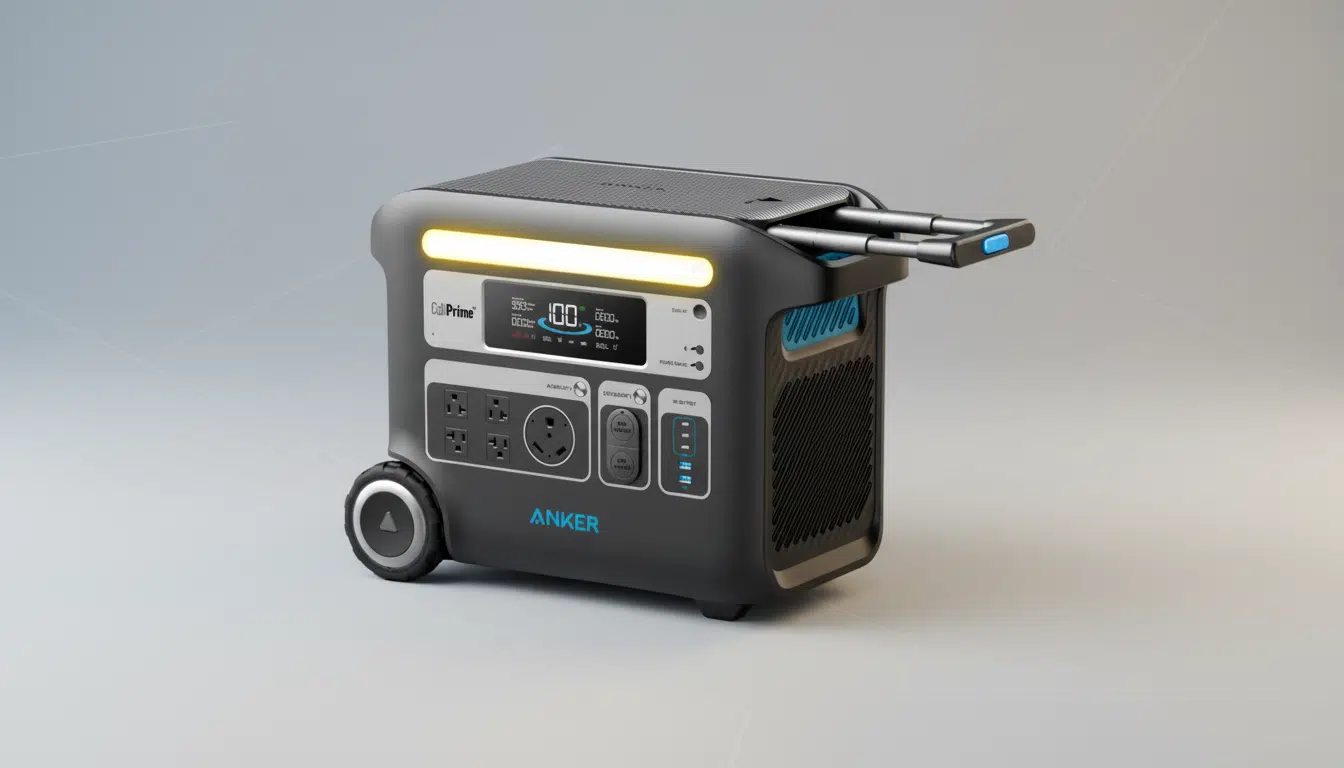
The Solix F2000 (or the Anker 767) houses a large 2,048Wh LFP battery and a 2,400W pure sine wave inverter that can easily power key appliances and devices such as refrigerators, routers, laptops, CPAP machines, lights, and many power tools without being recharged for days.
LFP chemistry is a winner here: It’s more thermally stable than most lithium variations and usually delivers 3,000 or more charge cycles up front — with useful capacity dropping only to about 80%.
Ports are generous and practical. You get multiple AC outlets for appliances, high‑wattage USB‑C for quick laptop or phone charging, USB‑A for legacy gear, a 12V car output, and even a purpose‑built 30‑amp RV socket for travel trailers. The unit can be expanded to 4,096Wh with another $1,000 2,048Wh battery, so users have a simple upgrade path if their needs expand.
Recharge times are competitive: the F2000 can be recharged from the wall in around 2 hours in high‑speed mode, and it accepts up to 1,000W of solar input in optimal conditions for quicker off‑grid refueling.
Anker supports the system with a lengthy, for the category, warranty, a confidence signal that’s important for gear that should last through many seasons of use.
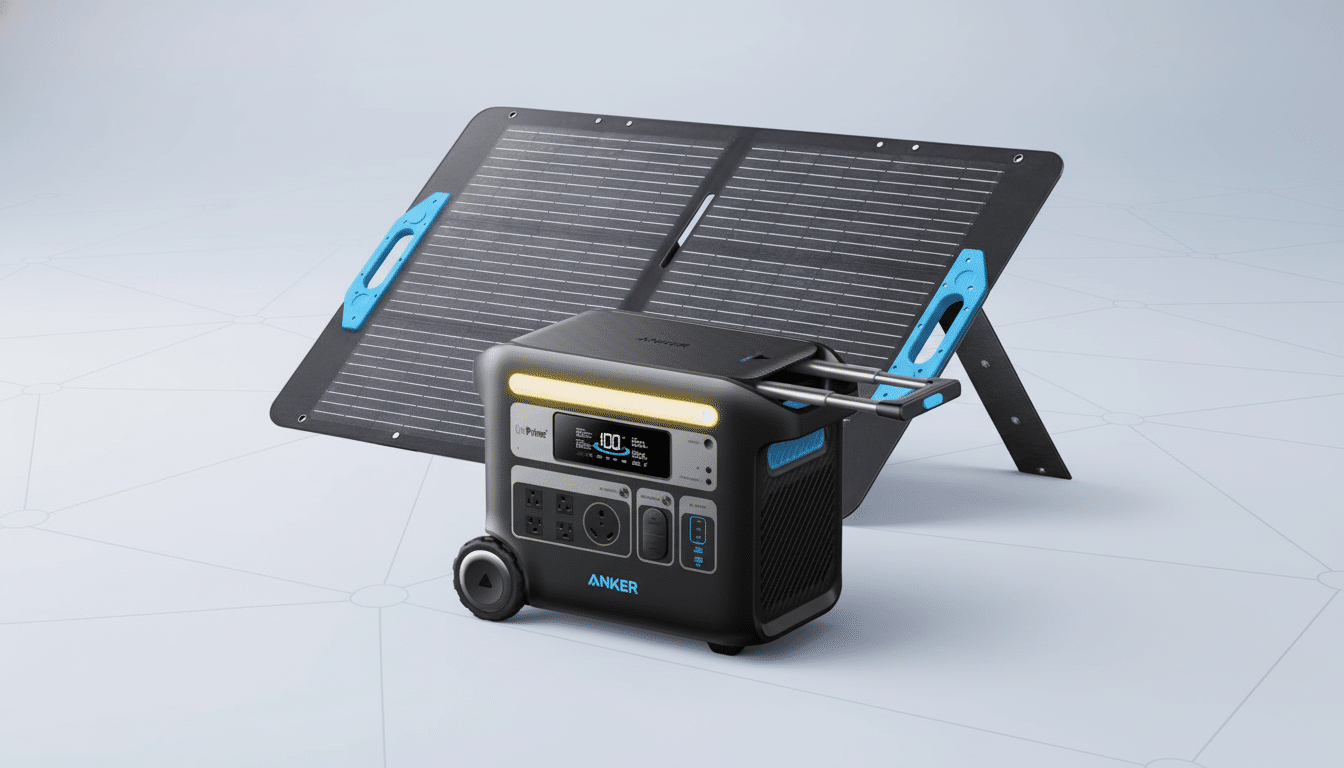
The catch is mass. Weighing more than 60 pounds, this isn’t a “toss‑in‑a‑daypack” sort of device. Anker counteracts that with a telescoping handle and all‑terrain wheels — so it turns out the weight is really a non‑issue for most home, RV, and campsite uses.
What 2,048Wh Looks Like In The Real World
To convert capacity into real‑world run time, a rough‑and‑ready rule of thumb: usable watt‑hours times 0.85 (to adjust for inverter and system losses) divided by the device’s watt draw: 90Wh * 0.85 / 10W = 7.65 hours.
- 40W full‑size refrigerator: 11–12 hours before recharging.
- CPAP at 40W: approximately 40–45 hours, many nights for sure.
- Wi‑Fi router at 12W: up to around 140 hours, bridging communications during prolonged power failures.
- 1,000W microwave: a little more than an hour and a half total cook time. Quick‑hit meals and re‑heats are totally doable.
The 2,400‑watt inverter also allows you to run higher‑draw tools or a space heater on low settings, and it has enough surge headroom for appliances with short‑term startup spikes, as long as those stay within the inverter’s rated capacity.
How It Compares With Rivals From EcoFlow To Jackery
- Versus EcoFlow Delta 2 Max: Same capacity and fast AC recharging, but the F2000’s wheeled chassis and TT‑30 port will be a draw for some RV users. EcoFlow has a great app ecosystem and its modularity is as well, but it doesn’t often get near the price tier.
- Vs. Jackery Explorer 2000 Plus: Jackery’s system is ultra‑modular and there are some solid solar options as well. The Anker deal beats it handily on cost per watt‑hour, while delivering the core capabilities many buyers value most comparably.
- Versus Bluetti AC200MAX: Bluetti offers strong expandability and a wealth of ports. The F2000’s quick wall charging, 30‑amp RV output, and wheels mean it is a more convenient “grab‑and‑go” option for most people — especially at this sale price.
Buying Tips And Caveats For Safe And Reliable Use
Because battery life drops in cold temperatures, keep the unit indoors during most of winter and retain it topped between 50 percent and 80 percent if you will leave it unused over long periods. If you have sensitive electronics to power, stick to the pure sine AC outlets and do not daisy chain power strips. For fridges, freezers, and sump‑pumps, look at both rated and starting watts; if your load comfortably jumps over the inverter’s ceiling value regularly, think load shedding or a higher‑output system.
To be safe, national consumer advocates suggest using an appropriate‑gauge extension cord and keeping ventilation clear. Battery stations can be used indoors, unlike gas generators — one of their key benefits in apartments and other tighter quarters.
Bottom line: at $849, Anker’s Solix F2000 provides great bang for the buck per watt‑hour, combined with tough LFP chemistry in a fast‑recharging and practical form factor. If you’ve been in search of a solid backup power solution ahead of bad weather this winter, this is the sort of price drop you won’t see again any time soon.
