


After a sharp December spike, AMD graphics card prices in Japan are falling fast—by as much as 20%—as shoppers refuse to pay stepped-up premiums. Retail tracking shared by TechPowerUp, citing GZ:LOG data, shows a clear break in the trend: when prices overshot, gamers simply stopped buying, and retailers relented.
What triggered the sudden AMD GPU price drop in Japan
GZ:LOG’s series indicates AMD GPU prices surged by up to 40% in December, likely fueled by year-end demand, currency pressures, and a belief that constrained supply would carry higher tags into the new year. Instead, the market hit a wall. Units lingered on shelves, cart abandonments climbed, and inventory turnover slowed—classic signals that discretionary buyers had reached their limit.
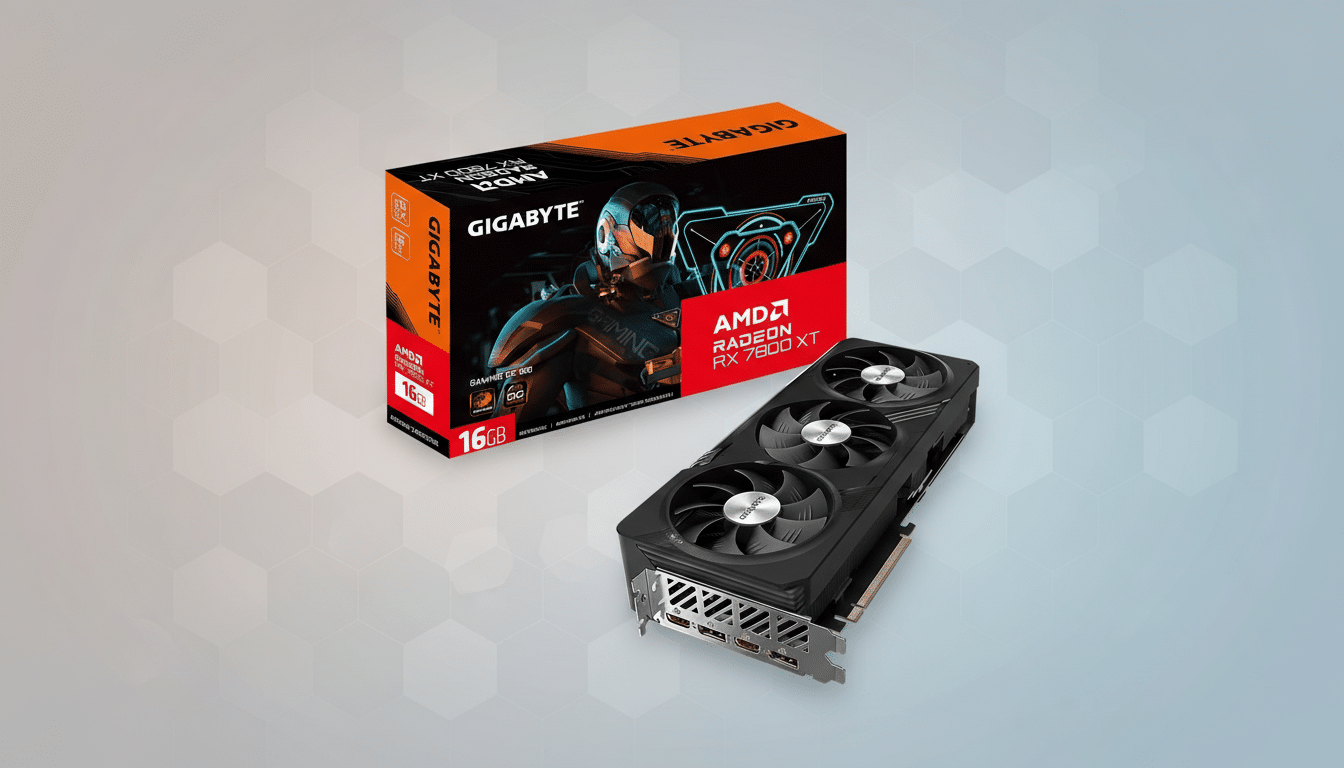
Japan’s PC gaming base is value-sensitive and well informed. Price comparison platforms such as Kakaku.com make rapid shifts glaringly obvious, while social chatter can quickly coordinate a “wait it out” response. The outcome is a real-time lesson in elasticity: push prices too far, too quickly, and sales volumes retreat hard.
Retailers blink first in Japan as inventory stalls
With demand cooling, Japanese retailers moved to protect cash flow and clear aging stock. Multiple board partners’ models saw sticker cuts or quiet rebates, effectively undoing a portion of December’s hikes. The cadence aligns with how big-box chains in Japan typically manage PC components: margins flex to keep inventory fresh, particularly when a generation matures and new launches loom.
Industry watchers note that yen fluctuations have made imports pricier for months, amplifying consumer pushback. In other words, if currency headwinds already nudge prices up, retailers have less room to test shopper patience with aggressive markups. When buyers balked, prices snapped back toward equilibrium.
Signals for the global GPU market and price trends
Japan’s course correction is a reminder that even amid AI-driven demand for compute silicon, the gaming channel cannot defy basic economics. If street prices detach from perceived performance value, volumes fall and shelves fill. That pressure ultimately forces markdowns, promotions, or both.
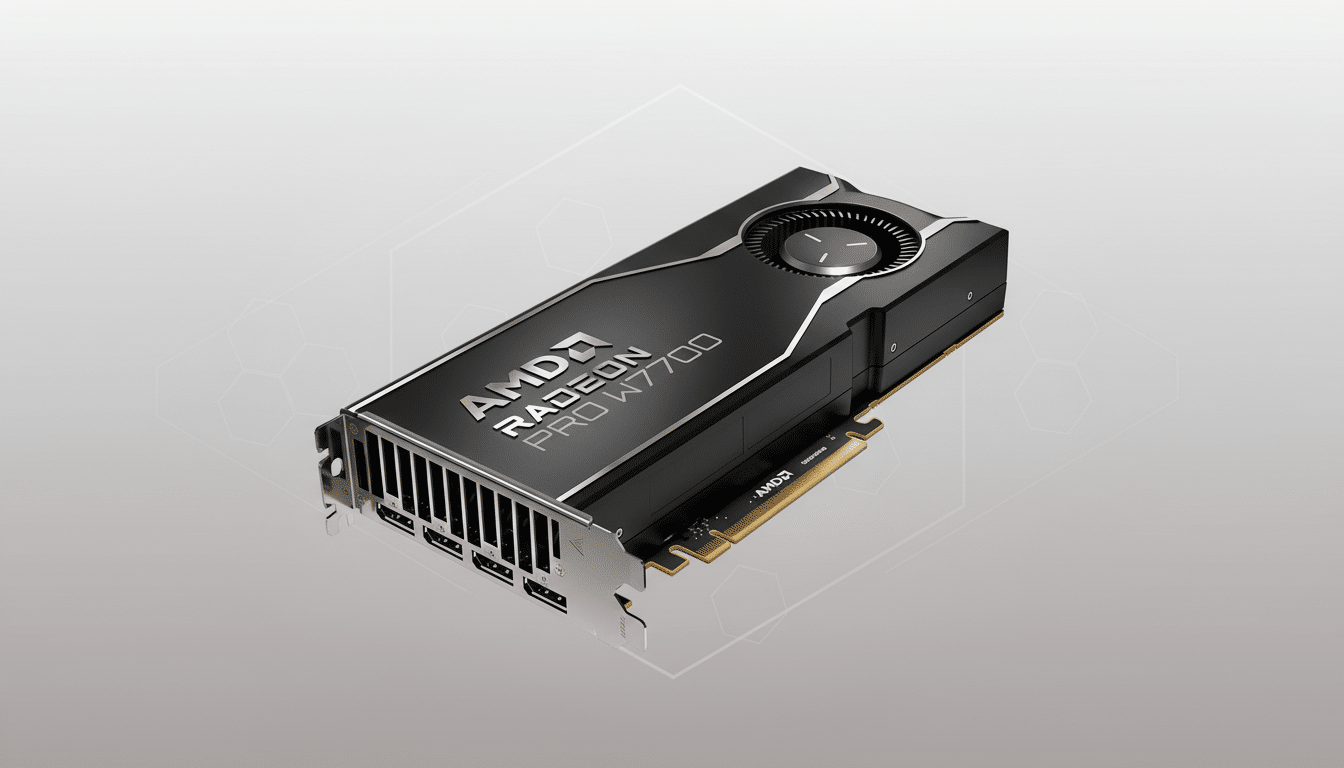
In the US, recent street prices for higher-tier AMD cards have been relatively steady, while upper-midrange and enthusiast Nvidia models often command steeper premiums. In practical terms, shoppers are seeing AMD options around the upper hundreds for top SKUs and mid-$400s for some 16GB midrange cards, while comparable Nvidia tiers commonly range from the high hundreds to over $1,000. The contrast underscores why demand can pivot quickly when one brand overshoots what buyers view as fair value.
Why price elasticity still rules GPUs for gamers
GPUs are a textbook elastic purchase. Outside of professional workflows, most buyers can wait. A backlog of playable games, the strength of last-gen cards, and a healthy secondhand market all cushion delays. That makes abrupt premiums hard to sustain, especially when generational performance gains are incremental rather than transformative.
Analysts at BCN Retail have long shown how quickly sales rankings respond to small price moves in Japan’s PC segment. A 5–10% shift can reorder the charts within a week. Stretch that to 20%, and the needle moves decisively. The latest AMD rollbacks fit that pattern—bring prices back within a believable performance-per-yen band, and shoppers re-engage.
What to watch next in Japan’s GPU pricing shift
- Watch whether Nvidia boards in Japan mirror AMD’s reductions. Cross-brand pricing rarely exists in a vacuum; competitive gaps tend to narrow as retailers chase volume.
- Track inventory signals—clearance events, bundled game codes, and manufacturer rebates often precede broader list-price cuts.
- Monitor MSRP rhetoric. Industry chatter suggests recommended prices could rise by up to 10% in future cycles, potentially to align MSRPs with actual street realities. Japan’s swift correction is a cautionary tale: if official pricing gets too aspirational, the market has a way of voting with its wallet.
The takeaway is simple but powerful. Even in an era shaped by AI data center demand, gamers still set boundaries. Japan just reminded everyone—vendors, board partners, and retailers alike—that there is a limit to what people will pay, and crossing it carries immediate consequences.
