


Amazon is escalating its anti-piracy campaign on Fire TV, moving from blocking the launch of certain apps to preventing their installation outright on Android-based models. The shift, flagged by the TechDoctorUK YouTube channel and corroborated by AFTVnews, means many third-party apps associated with unlicensed streaming will no longer even get through the door. Affected users now see a system warning that reads, “This app has been blocked because it uses or provides access to unlicensed content.”
Installation Now Blocked, Not Just Launching
Previously, Amazon’s Fire TV would allow sideloaded apps to install but would block their execution if they were deemed to facilitate piracy. The latest change tightens that approach by stopping those apps from installing in the first place. While it may sound like a small tweak, it closes a popular loophole and signals Amazon’s intent to keep questionable software off its platform entirely.
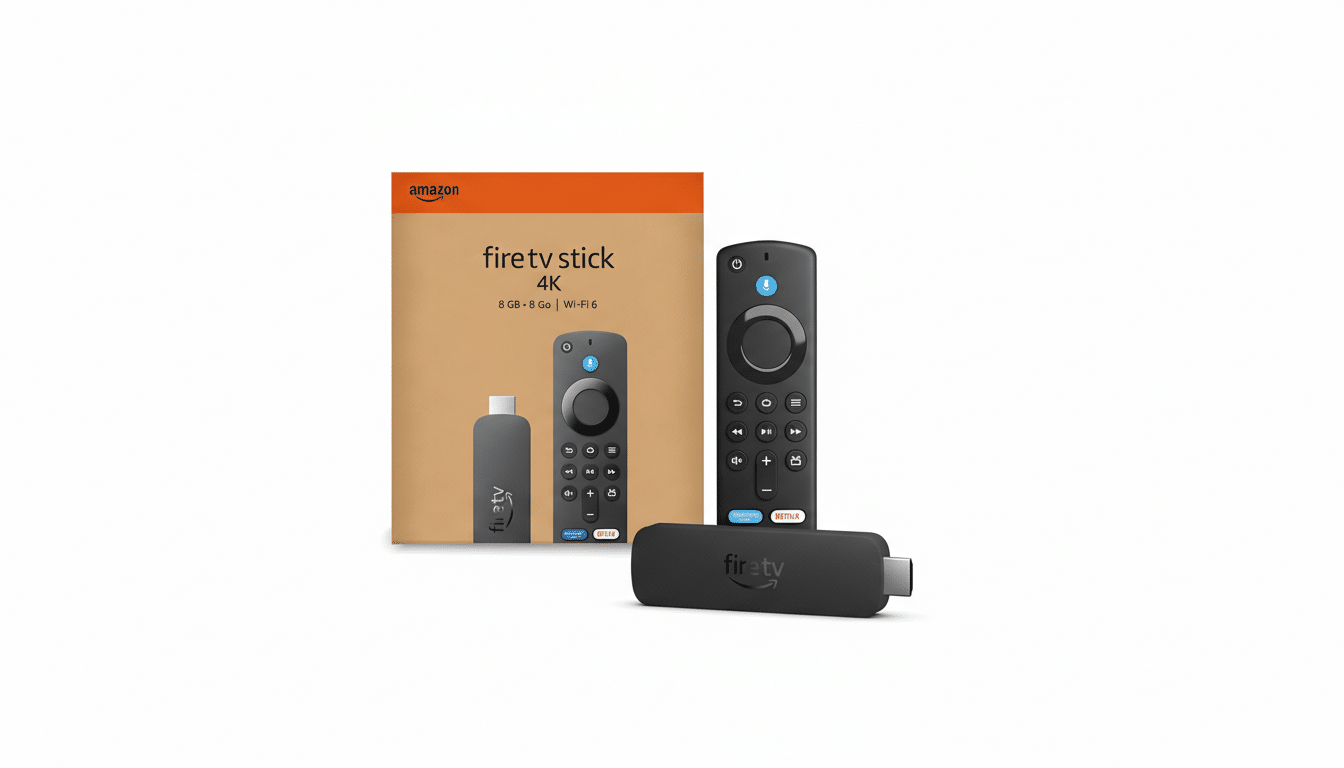
This clampdown appears to target a known list of package names and signatures often associated with gray-market IPTV clients, streaming aggregators, or modified media players. In practice, that means even tech-savvy owners who rely on sideloading—often for niche or open-source tools not offered in the Amazon Appstore—could encounter broader collateral damage if legitimate apps are mistakenly flagged.
Impact for Fire TV Owners as Installation Blocks Expand
For everyday viewers who stick to major streaming services, little changes. For power users, however, the experience is different. Sideloading has long been a hallmark of Android-based Fire TV devices, enabling custom players, beta builds, and utilities not officially distributed by Amazon. Blocking installation adds friction for those workflows, especially when legitimate apps share code similarities with tools that have been abused for piracy.
Community reports suggest some users are experimenting with workarounds, such as trying different versions or package names. But even anecdotal mentions of these tactics underscore the cat-and-mouse dynamic that typically follows new platform enforcement—and they also carry risk. At a minimum, it heightens the chance of installing unvetted software, which can compromise privacy and security.
Part of a Larger Anti-Piracy Push Across Fire TV
The move fits a broader strategy. Amazon has been transitioning newer devices to its Vega OS platform, which decouples parts of the experience from Android and gives the company tighter control over system behavior. On older Android-based Fire TV models, this installation block advances the same goal: to reduce exposure to piracy and the legal and licensing headaches that come with it.
Industry pressure is real. Rights-holders and trade groups have documented persistent piracy growth, and analytics firms such as MUSO have reported hundreds of billions of visits to piracy sites annually worldwide. Regulators and studios increasingly expect platforms to play gatekeeper. Meanwhile, rivals have taken their own measures—Roku formally retired non-certified channels in 2022, and Apple’s tvOS has long enforced strict app distribution rules—while Google relies on Play Protect warnings on Android TV and Google TV to discourage risky installs.
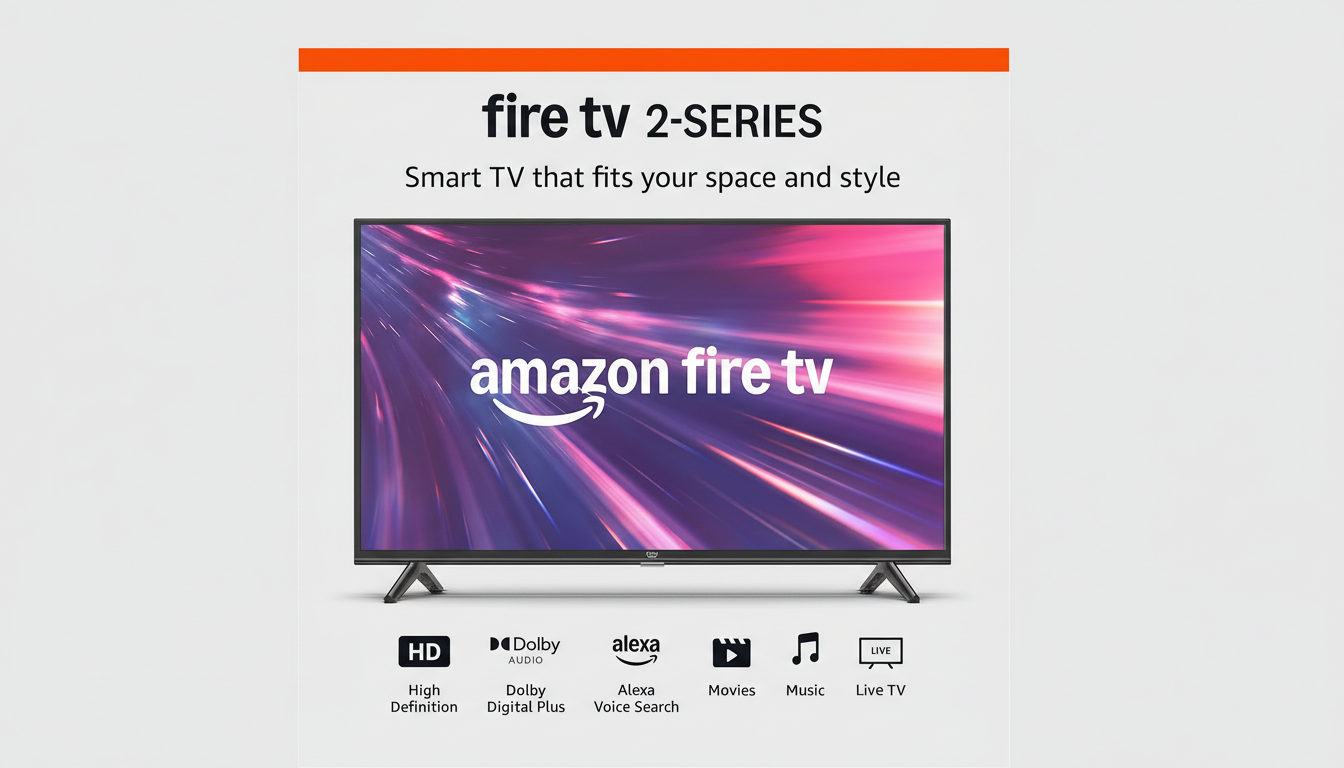
The stakes are high because streaming now dominates viewing habits. Nielsen’s The Gauge has consistently shown streaming accounting for a large share of total TV time in the US, and that attention fuels a thriving ecosystem of official and unofficial apps alike. For a platform the scale of Fire TV, even a small percentage of users sideloading questionable apps can translate into significant legal exposure.
Options and Risks Going Forward for Fire TV Users
If you value openness, an Android TV or Google TV device may still offer more latitude for sideloading, though safeguards remain and policies can change. For those staying on Fire TV, the safest path is to rely on apps from the Amazon Appstore and reputable developers. Power users should watch for false positives and be cautious of any “workarounds” circulating in forums, which can lead to outdated or tampered builds.
Amazon’s terms prohibit apps that enable access to unlicensed content, and this latest move enforces that line at the installation stage. As the company tunes its filters, we’ll learn whether legitimate tools are swept up and whether Amazon introduces avenues—like developer attestations or verification programs—to reduce collateral impact without reopening the door to piracy.
What It Means for the Streaming App Ecosystem
Short-term, expect frustration from some Fire TV owners who relied on sideloaded utilities. Longer-term, this could push developers toward official distribution channels or nudge enthusiasts to competing platforms. Either way, Amazon has made its priorities clear: a curated Fire TV experience with fewer loopholes, even if that means less flexibility for its most technical users.
The bottom line is simple. By blocking installs rather than just launches, Amazon is signaling a new phase in its enforcement strategy—one that will likely stick, regardless of temporary workarounds, as streaming platforms lock down their ecosystems in step with content owners’ expectations.
