


Some days, emotions possess a precarious balance. Stress accumulates silently, sleep becomes restless, and even small choices begin to feel burdensome. You may notice changes in mood that might be difficult to explain or emotional responses that might seem stronger than before. Over time, these patterns influence relationships, focus, and your overall sense of stability.
While it is common for people to try to push through these moments, when left unchecked, unresolved emotional strain can be deepened.
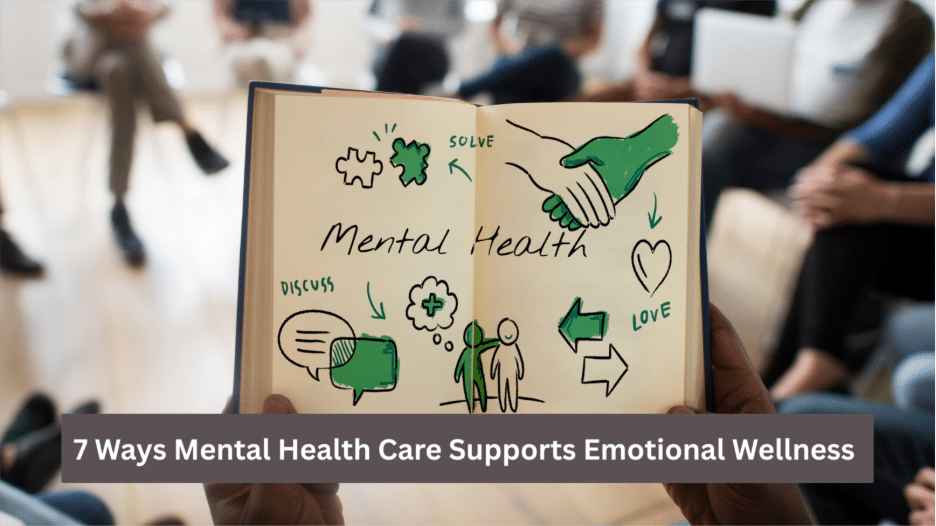
Mental health care is available to deal with these issues with structure, clarity, and support. Rather than providing a surface-level relief, it aims at understanding what is going on beneath the feelings and how to respond to them in healthier ways.
This article examines seven significant ways in which mental health care impacts your emotional wellness and helps you to gain a better sense of balance and control.
1. Provide Structured Emotional Stabilization

When emotions are overwhelming, structure is necessary. Mental health care provides an environment within which daily routines of living, therapeutic schedule, and clinical oversight cooperate to bring the person into emotional balance. This structure helps to reduce unpredictability, which is often the source of anxiety and emotional distress.
In more intensive settings, inpatient mental health care involves a constant source of mental support in which people can take a break from external stressors by properly focusing on emotional healing. This amount of care provides a safe environment in which emotional control can commence without distraction.
Over time, this structured approach helps lay the foundation for long-term emotional resilience.
2. Encourage Healthier Emotional Awareness
Emotional wellness begins with being knowledgeable about what you are feeling and why. Mental health care helps you to recognize emotional patterns that might not have been noticed or understood. Through guided conversations and reflective practices, emotions become clearer rather than confusing.
Instead of suppressing feelings, you learn to observe them without judgment. This awareness enables you to respond thoughtfully rather than react impulsively. As a result, emotional responses are equalized and purposeful.
With constant support, emotional awareness develops into emotional intelligence, helping to build both personal insights and daily decision-making.
3. Teaches Practical Coping Strategies

Emotions do not fade away simply because they are understood. Mental health care provides you with real-life tools to deal with stress, anxiety, and emotional intensity in real-time. These strategies are not abstract concepts but rather actionable strategies that can be used every day.
Breathing exercises, grounding techniques, and cognitive reframing help break the cycle of negative thought. Over time, these skills are able to become an automatic response in emotionally challenging moments.
By practicing these techniques on a regular basis, emotional setbacks can be navigated more easily, lowering the chances of emotional overwhelm.
4. Support Consistent Emotional Regulation
Emotional regulation is being able to feel emotion, but not being consumed by it. Mental health care addresses the reinforcement of this skill using repetition, feedback, and therapeutic guidance.
Rather than swinging from one extreme emotional state to the other, you learn to have steadier emotional responses. This consistency enhances interactions both at work and at home, as well as in social settings.
As emotion regulation becomes better, confidence increases. You start to trust your capacity to deal with your emotional difficulties, even in high-pressure situations.
5. Address Underlying Emotional Triggers

Surface-level emotions are often based on deeper and unresolved experiences. Mental health care assists in discovering these hidden triggers, in the process of careful and therapeutic discovery. Once identified, these triggers lose some of their emotional power.
Once the root cause of emotional reactions is understood, it can be healed. Instead of repeating the same emotional patterns, you now start to respond with clarity and control.
This process not only reduces emotional distress but also helps to avoid emotional disruptions from happening in the future.
6. Strengthen Emotional Resilience
The goal of emotional wellness is not to avoid getting difficult emotions but to learn how to recover from them. Mental health care helps strengthen people’s resilience by teaching them how to cope with their emotions, by helping them adapt, recover, and grow after emotional setbacks.
Through guided support, challenges become learning opportunities rather than sources of discouragement. Emotional resilience builds slowly as you gain more and more confidence in your ability to cope.
As resilience increases, emotional issues seem less overwhelming and more controllable, even during times of uncertainty.
7. Promote Long-Term Emotional Balance

Mental health care focuses on sustainable emotional wellness, not short-term relief. By combining emotional awareness, coping strategies, and resilience-building techniques, it supports long-lasting emotional balance.
This balanced state improves overall quality of life. Relationships feel more stable, stress becomes easier to manage, and emotional clarity supports better decision-making.
Over time, emotional wellness becomes a consistent part of daily living rather than a constant struggle.
Final Thoughts
Emotional wellness affects every aspect of life, from mental clarity to personal connections. Mental health care provides the tools, structure, and insight needed to understand emotions, regulate responses, and build resilience.
Addressing emotional challenges at their core supports a healthier, more balanced emotional state that can be sustained long into the future.
