


Phones aren’t just on the nightstand anymore. A new snapshot of campus life suggests they’re squarely in the moment: 35% of Gen Z adults say they have texted or checked social media during sex, according to a large survey of 100,000 college students conducted on the anonymous app Yik Yak.
The finding captures a striking collision of intimacy and always-on connectivity, raising questions about attention, consent, and how digital habits are reshaping the most intimate parts of young adults’ lives.
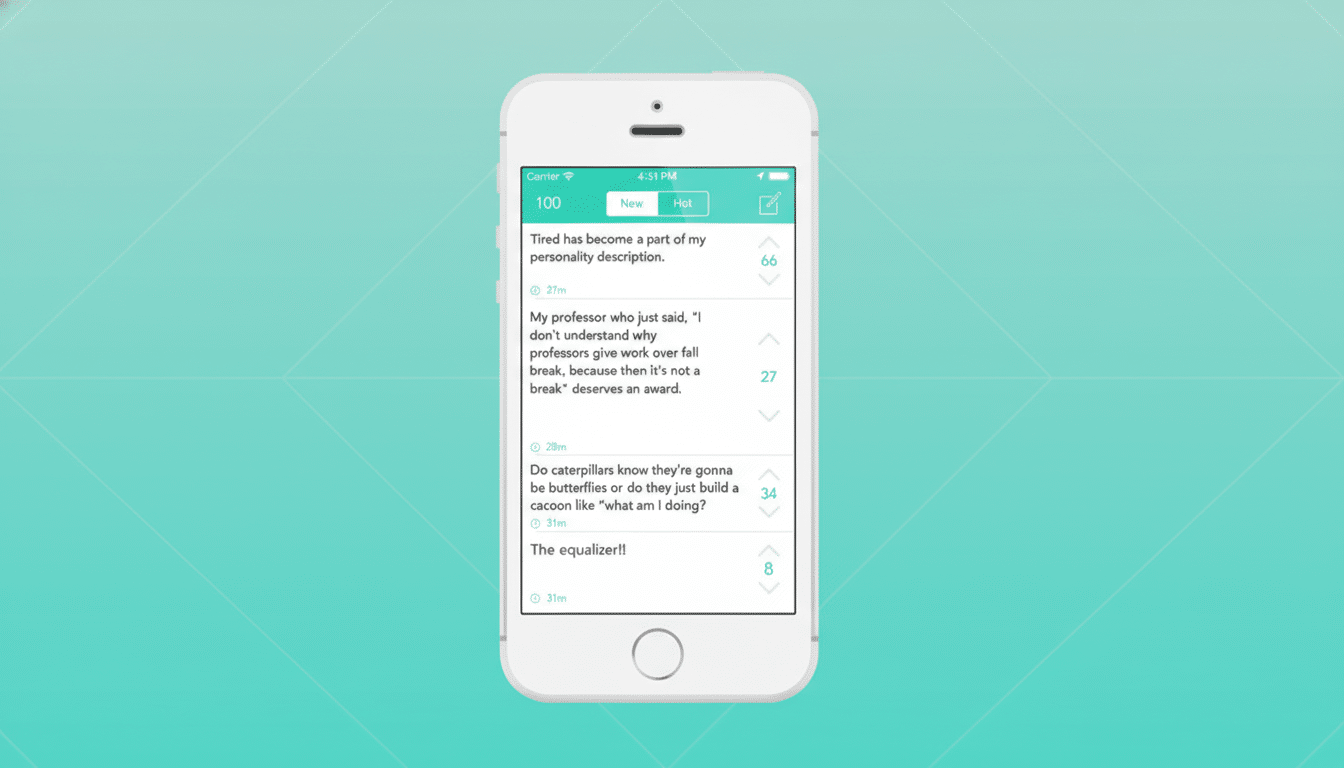
What the Yik Yak College Survey Actually Shows
The Yik Yak poll, while not a nationally representative sample, offers uncommon scale. Beyond the headline figure, the same survey found 23% had sex while a roommate was in the room, and 8% didn’t mind that the roommate was awake. A few respondents even reported answering a parent’s call mid-act—an almost too-on-the-nose example of digital intrusion.
Methodological caveats matter: anonymous, self-reported data can skew toward the sensational. But coupled with broader research on device dependency and “technoference” in relationships, the data points to a real cultural shift.
The Rise of Technoference and Its Impact in Bed
Researchers use the term “technoference” to describe everyday interruptions caused by digital devices. Studies by scholars such as Brandon T. McDaniel and Sarah Coyne have linked frequent partner phone use with lower relationship satisfaction and more conflict, echoing the now-familiar phenomenon of “phubbing” (snubbing someone to look at a phone).
During sex, those interruptions have uniquely high stakes. Sex therapists note that arousal relies on sustained attention; even brief attention shifts can dampen desire, disrupt rhythm, and reduce satisfaction. Physiologically, push alerts competing for working memory can derail the very focus that intimate connection requires.
Why Gen Z Might Be More Vulnerable to Distraction
Gen Z grew up with smartphones as default companions. Pew Research Center consistently finds near-universal social media adoption among adults under 30, and many young people report checking phones reflexively, even when doing something else. The American Psychological Association has cautioned that heavy, habitual social media use can be tied to attention disruptions and sleep problems—factors that easily spill into the bedroom.

At the same time, younger adults today report less sexual activity than earlier cohorts did at the same age. Analyses drawing on the General Social Survey and work by researchers including the Kinsey Institute and social psychologist Jean Twenge have documented declines in partnered sex among young adults over the past decade. While phones aren’t the only reason—economic stress, mental health, changing norms, and delayed partnering all play roles—ubiquitous devices add friction to in-person intimacy.
Consent And Etiquette When Phones Enter The Moment
Texting during sex isn’t just a faux pas; it’s a consent and expectations issue. One partner’s silent assumption that phone use is fine may clash with the other’s expectation of undivided attention. Best practice mirrors any boundary-setting conversation: be explicit. If a phone needs to remain accessible for safety, caregiving, or an urgent work situation, say so upfront and agree on what’s acceptable.
There’s a difference between using a phone as part of mutually agreed play—selecting music, referencing a shared fantasy, or checking a timer—and disengaging to scroll a feed. Clear consent distinguishes connective tech from disruptive tech.
Practical Fixes That Respect Real-Life Needs and Limits
Small changes can curb interruptions without resorting to shame. Couples can try:
- Setting phones on Do Not Disturb or Focus modes with “allow” lists for true emergencies.
- Agreeing on a “phone tray” outside arm’s reach for planned intimate time.
- Using wearables’ silent alarms for essential alerts while keeping screens dark.
- Establishing a norm: if a phone must be checked, pause and ask—then resume together.
A Cultural Tell About Attention in the Digital Age
That 35% figure is startling not because it’s salacious, but because it spotlights a broader attention crisis. If even sex competes—and sometimes loses—to notifications, the bar for uninterrupted presence is high. The takeaway isn’t that Gen Z is uniquely inconsiderate; it’s that digital design and social norms have made being unreachable feel risky.
As universities, health providers, and platforms debate healthier tech use, the bedroom is an overlooked frontier. The fix is less about going analog and more about intentionality: calibrating tech around intimacy, rather than the other way around.
