


Google has closed a popular workaround that let free users keep YouTube audio playing in the background on mobile browsers, reaffirming the feature as a paid perk for YouTube Premium. The change, spotted by users across alternative browsers and confirmed by Google, halts playback when the screen is locked unless you subscribe.
What Changed on Mobile Browsers for Background Play
For years, some viewers bypassed the YouTube app’s restrictions by opening videos in mobile web browsers—often paired with an ad blocker or specific browser settings—to continue listening after turning off the display. Reports from communities using Brave, Vivaldi, and Microsoft Edge indicate that the technique now consistently stops audio when the device locks. Android Authority first highlighted the clampdown, and users quickly echoed the behavior shift.
- What Changed on Mobile Browsers for Background Play
- Why YouTube Is Tightening Access to Background Play
- Cat-and-Mouse With Browser Makers Over Background Play
- Implications For Podcasts And Long Videos
- What Users Can Do Now to Keep Listening on Mobile
- The Monetization Backdrop Behind YouTube’s Enforcement

Google says background play is meant to be exclusive to Premium and that it updated the mobile web experience to keep things consistent across platforms. Put simply: if you want music videos, lectures, or podcasts to keep playing with the screen off, you’ll need a subscription or the official app’s picture-in-picture where available.
Why YouTube Is Tightening Access to Background Play
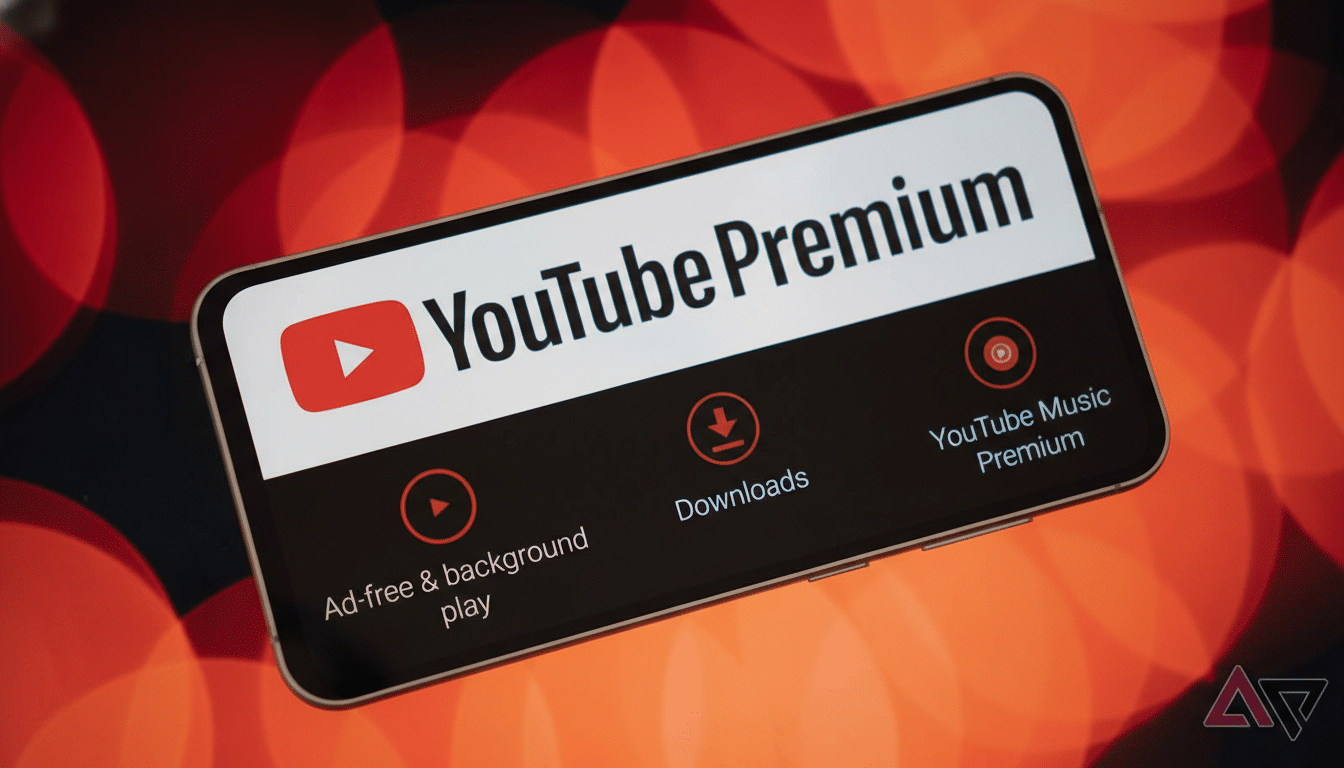
Background listening is one of Premium’s most tangible benefits, alongside ad-free viewing and offline downloads. It’s also a proven conversion lever. YouTube announced that Music and Premium surpassed 100 million combined subscribers worldwide, underscoring how feature gating can drive sign-ups. With more than 70% of watch time coming from mobile, protecting a mobile-first perk is strategically important.
The move also aligns with YouTube’s broader push to ensure ads are seen or paid away. Alphabet’s financial filings routinely show YouTube ads generating tens of billions of dollars in annual revenue. Letting free users listen with the screen off—often with an ad blocker—ran counter to that model.
Cat-and-Mouse With Browser Makers Over Background Play
Shortly after complaints surfaced, Brave said on X that it had restored background play in its browser, hinting at a technical workaround. But these fixes tend to be temporary: server-side changes from Google can roll out quietly and invalidate browser patches overnight. Users on Vivaldi and Edge have reported similar disruptions, suggesting a coordinated enforcement rather than a stray bug.
It mirrors YouTube’s escalating campaign against ad blockers. Last year, viewers using filters saw longer load times, buffering spikes, and warnings urging them to disable blockers or subscribe. This latest step removes a parallel loophole that turned YouTube into a de facto free audio app for many.
Implications For Podcasts And Long Videos
Background play isn’t just for music. It’s essential for podcasts, interviews, and lectures that don’t require a screen. As YouTube courts podcasters and rolls out creator tools for long-form audio, restricting background listening for non-subscribers nudges casual listeners toward Premium—or toward dedicated podcast apps where background play is standard. Creators could see modest changes in listener behavior, especially among audiences who relied on mobile web workarounds during commutes and workouts.
What Users Can Do Now to Keep Listening on Mobile
Officially, the path is YouTube Premium, which currently costs $13.99 per month in the US and includes background play, ad-free viewing, and downloads. Annual and family plans may lower the effective cost for heavy users. Picture-in-picture can help for certain content in some regions, but it isn’t a full replacement for screen-off audio.
Unapproved alternatives—downloader sites and third-party “rippers”—carry risks. Security researchers at firms like ESET and Malwarebytes have repeatedly flagged such sites for malware-laced ads, deceptive buttons, and bundled installers. Even when they work, they can violate terms of service and expose users to privacy and security threats.
The Monetization Backdrop Behind YouTube’s Enforcement
Streaming platforms are putting more fences around premium features to stabilize revenue. Netflix’s password-sharing crackdown produced a subscriber surge; music services have steadily raised prices while keeping core perks behind paywalls. YouTube’s background-play enforcement sits squarely in that trend: fewer loopholes, clearer value for paying customers, and more predictable monetization.
Expect the tug-of-war to continue—browser teams will test new methods, and Google will refine detection and policy enforcement. For now, though, free background listening on the mobile web is no longer a reliable option, and the company’s message is unambiguous: pay for Premium or keep the screen on.
