


As infrastructure becomes more complex and distributed, DevOps teams are under increasing pressure to deliver reliable, secure, and scalable systems faster than ever. Managing infrastructure as code (IaC) has become the standard approach for modern engineering teams, and Terraform has emerged as one of the most widely used tools for provisioning and managing cloud resources. However, many organizations still rely on local Terraform workflows or self-hosted solutions, which can create challenges around collaboration, security, and scalability. This is where Terraform Cloud migration becomes an essential step for modern DevOps teams.
Migrating to Terraform Cloud helps organizations centralize their infrastructure workflows, improve collaboration, strengthen security, and streamline automation. For teams aiming to scale efficiently while maintaining control and visibility, Terraform Cloud offers a powerful platform that supports modern DevOps practices.
Centralized Infrastructure Management
One of the biggest reasons Terraform Cloud migration matters is the ability to centralize infrastructure management. In traditional setups, Terraform runs may be executed locally on developers’ machines or through custom CI/CD pipelines. This can lead to inconsistencies, configuration drift, and a lack of visibility into infrastructure changes.
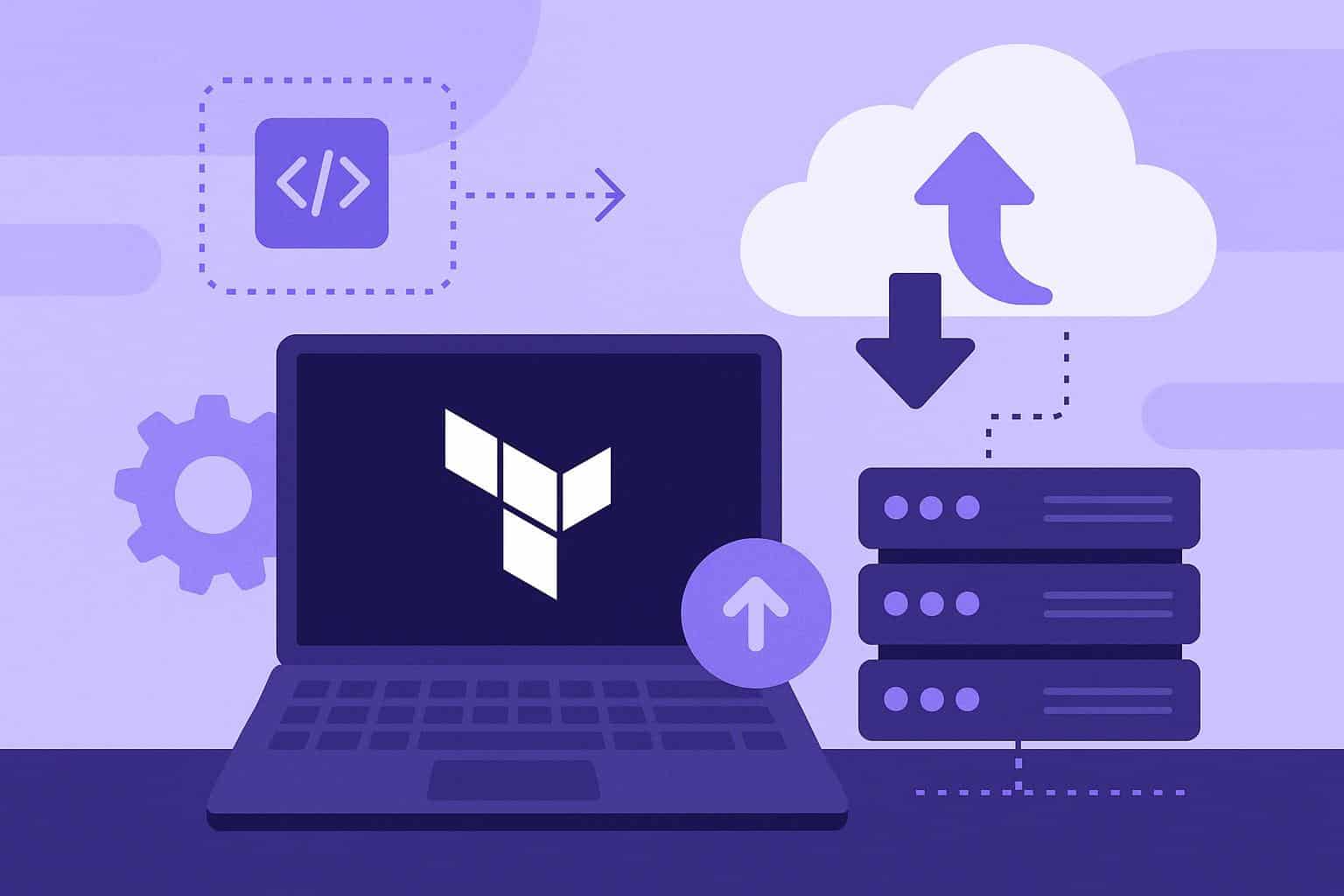
Terraform Cloud provides a centralized platform where all infrastructure code, state files, and execution history are stored securely. By migrating to Terraform Cloud, DevOps teams gain a single source of truth for infrastructure operations. This centralized approach reduces the risk of errors, ensures consistent workflows, and makes it easier to track changes across environments.
With a unified workspace model, teams can manage development, staging, and production environments in an organized way. This structure allows teams to scale infrastructure management without losing control or visibility.
Improved Collaboration Across Teams
Modern DevOps teams are often distributed across different locations and time zones. Collaboration can become difficult when multiple engineers are working on infrastructure simultaneously. Terraform Cloud migration helps solve this problem by enabling real-time collaboration and shared workflows.
Terraform Cloud allows teams to collaborate through shared workspaces, version control integrations, and automated runs. Engineers can review infrastructure changes through pull requests and apply them only after approval. This collaborative workflow ensures that changes are reviewed, tested, and documented before being deployed.
Role-based access control (RBAC) is another important feature. Teams can define who can view, plan, or apply changes to infrastructure. This improves accountability and reduces the risk of unauthorized modifications. For organizations with multiple teams working on shared infrastructure, Terraform Cloud provides the structure needed to collaborate efficiently.
Enhanced Security and Compliance
Security is a top priority for modern DevOps teams, especially when managing cloud infrastructure. Terraform Cloud migration provides enhanced security features that help protect sensitive data and ensure compliance with industry standards.
In a local Terraform setup, state files often contain sensitive information such as API keys, database credentials, and resource details. Storing these files locally or in unsecured storage can create security risks. Terraform Cloud stores state files securely and encrypts them both at rest and in transit.
Terraform Cloud also offers policy enforcement through Sentinel and other policy-as-code frameworks. Organizations can define rules that ensure infrastructure changes meet compliance and security requirements. For example, teams can enforce policies that restrict public access to certain resources or ensure that encryption is enabled by default.
Audit logs and run histories provide visibility into who made changes and when they were applied. This level of transparency helps organizations meet compliance requirements and maintain accountability across teams.
Automation and Workflow Optimization
Automation is at the heart of DevOps, and Terraform Cloud migration supports automated infrastructure workflows. By integrating with version control systems like GitHub, GitLab, or Bitbucket, Terraform Cloud can automatically trigger plans and apply when changes are pushed to a repository.
This automation reduces manual intervention and ensures that infrastructure updates follow a consistent process. Teams can define workflows where code changes trigger automated tests, security checks, and infrastructure updates. This streamlined process improves efficiency and reduces the risk of human error.
Terraform Cloud also supports remote execution, which means infrastructure plans and applications run in a controlled environment rather than on individual machines. This ensures consistent results and eliminates the “it works on my machine” problem. For DevOps teams managing multiple environments, automated workflows make it easier to maintain consistency and reliability.
Scalability for Growing Organizations
As organizations grow, their infrastructure needs become more complex. Managing multiple environments, teams, and cloud providers can quickly become overwhelming without the right tools. Terraform Cloud migration provides the scalability needed to support growing infrastructure demands.
Terraform Cloud supports multiple workspaces, allowing teams to manage different environments and projects efficiently. Organizations can create reusable modules and templates, making it easier to standardize infrastructure across teams. This modular approach improves efficiency and reduces duplication of effort.
For enterprises managing large-scale infrastructure, Terraform Cloud offers features like team management, policy enforcement, and advanced integrations. These capabilities make it easier to scale operations while maintaining control and governance.
Better Visibility and Monitoring
Visibility into infrastructure changes is critical for maintaining stability and reliability. Terraform Cloud provides detailed run histories, logs, and notifications that help teams monitor infrastructure changes in real time.
When teams migrate to Terraform Cloud, they gain access to dashboards that show the status of runs, changes, and workspaces. Notifications can be configured to alert teams about successful deployments, failed runs, or policy violations. This visibility allows teams to respond quickly to issues and maintain system stability.
By having a clear view of infrastructure activity, DevOps teams can identify patterns, optimize workflows, and improve overall performance.
Reduced Operational Overhead
Managing a self-hosted Terraform environment can require significant time and resources. Teams must maintain backend storage, secure state files, and manage execution environments. Terraform Cloud migration reduces this operational overhead by providing a managed platform.
With Terraform Cloud, organizations no longer need to maintain their own infrastructure for running Terraform. The platform handles state storage, execution, and security, allowing teams to focus on building and improving their infrastructure rather than managing tools.
This reduction in operational complexity allows DevOps teams to work more efficiently and focus on delivering value to the organization.
Supporting Modern DevOps Practices
Modern DevOps practices emphasize automation, collaboration, and continuous delivery. Terraform Cloud migration aligns with these principles by providing a platform that supports infrastructure as code, automated workflows, and collaborative development.
By adopting Terraform Cloud, organizations can implement consistent infrastructure workflows, enforce policies, and integrate with existing CI/CD pipelines. This alignment with DevOps best practices helps teams deliver infrastructure changes faster and more reliably.
Terraform Cloud also supports hybrid and multi-cloud environments, making it easier for organizations to manage infrastructure across different providers. This flexibility is essential for teams working in complex cloud environments.
Conclusion
Terraform Cloud migration is more than just a technical upgrade—it’s a strategic move for modern DevOps teams. By centralizing infrastructure management, improving collaboration, enhancing security, and enabling automation, Terraform Cloud provides the tools needed to manage infrastructure at scale.
For organizations looking to streamline operations, reduce risk, and support growth, migrating to Terraform Cloud offers significant advantages. It helps teams maintain consistency, improve visibility, and align with modern DevOps practices. As infrastructure continues to evolve, adopting platforms like Terraform Cloud ensures that teams are equipped to manage complexity and deliver reliable systems efficiently.
For modern DevOps teams seeking greater control, efficiency, and scalability, Terraform Cloud migration is not just beneficial—it’s essential.
