


For 10 years, the leaders of Microsoft have preached the importance of empathy, trust, and responsible innovation. But the company’s current decisions show a move away from those principles, and customers can sense it. With lashings of aggressive AI upsells on one side, controversial product moves in the middle, and contradictory signals about security at the other end, Microsoft now feels less like a partner and more like a platform operator who will take as much value from you as it wants.
Empathy rhetoric meets a tougher internal and external reality
Redmond has been about empowering people and organizations for a long time. But inside and outside the company, that language now runs up against a harsher reality: repeated layoffs even as profits reach new records, and an internal culture that feels more metric-obsessed than mission-driven.
- Empathy rhetoric meets a tougher internal and external reality
- AI upsell fatigue and unclear value for Copilot subscriptions
- Privacy backlash over Recall prompts a rapid policy reversal
- Windows 10 end of support raises security and equity risks
- Security promises versus findings expose a credibility gap
- The per‑seat AI paradox threatens Microsoft’s revenue model
- What it would take to reposition trust and value at Microsoft
Microsoft announced record results for its most recent fiscal year, including revenue of more than $240 billion and profit of over $80 billion, according to company filings. A couple thousand jobs, though, have been cut in the past two years across gaming, Azure, and other units. “We can’t reconcile ‘empathy’ with that whiplash, and morale has taken a hit,” employees say.
AI upsell fatigue and unclear value for Copilot subscriptions
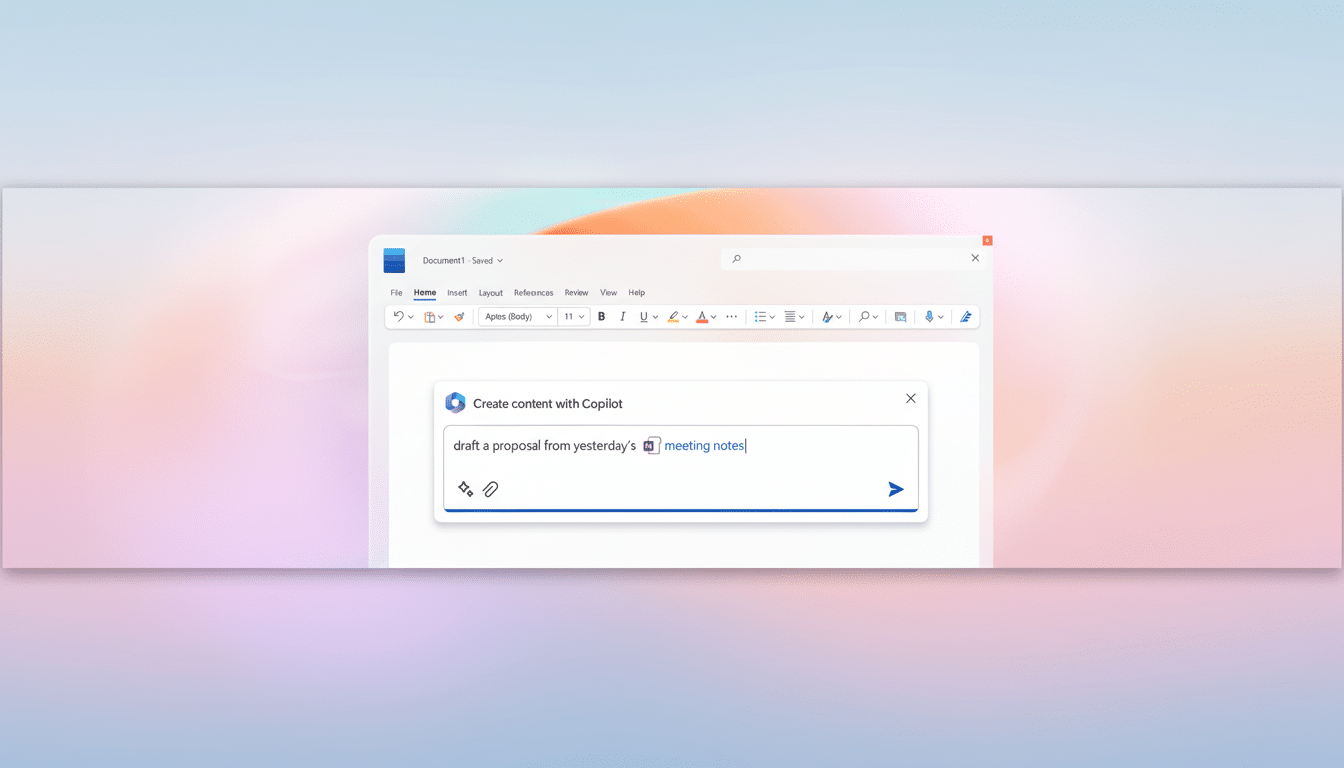
Copilot is the heart of Microsoft’s strategy — and the tab. Enterprise customers are being encouraged to splash out $30 per user per month for Copilot for Microsoft 365, individuals toward a $20 Copilot Pro subscription. At the pitch level, generative AI will pay for itself in productivity gains. Most customers only see an endless upsell stacked on top of the licenses they already pay for.
Real-world performance still varies. Analysts and IT admins say accuracy is inconsistent for Word, Excel, and Teams. Procurement leads are skeptical — without credible ROI information specific to the workloads, such as time saved per task, increased quality, or reduced demand on support. Generative AI alone has elicited broad interest from Gartner and IDC, but the slower time horizon to get it out of the box and be driven by evidence in use at scale within enterprises is a gap Microsoft needs to address with proof, not just promotion.
Privacy backlash over Recall prompts a rapid policy reversal
Nothing epitomized this drift more than Recall, a new screenshotting tool launching on Copilot+ PCs. Security researchers quickly warned that always recording a user’s screen posed serious privacy and abuse risks. Microsoft reversed course after facing public backlash — putting Recall into an opt-in system, strengthening some protections, and committing to further review.
The shift was real, but telling. This is a company that used to be built on trust through thorough threat modeling, shipping a feature many think should never have left the lab. The stumble undercut that confidence at exactly the time Microsoft was urging customers to intertwine AI more deeply into their work and lives.
Windows 10 end of support raises security and equity risks
Windows 10 ends security updates in October 2025. According to StatCounter metrics, a significant chunk of the world’s personal computers remain on Windows 10 — hundreds of millions of them. Microsoft’s Extended Security Updates program provides paid patches, but it’s complex for non‑experts and introduces new costs that many households and small businesses can’t afford.
It is not just a matter of sloppy customer service; it’s one of security and justice. It is imperative that we do not push budget‑constrained users to either insecure systems or expensive upgrades, widening the digital divide and causing unnecessary e‑waste. An “empathy-first” Microsoft would make ESU enrollment straightforward, cap or subsidize fees to consumers and schools, and provide simple step‑by‑step migration guidance.
Security promises versus findings expose a credibility gap
Microsoft’s Secure Future Initiative promises “security above everything else.” But the U.S. Cyber Safety Review Board faulted the company in 2024 for preventable cloud security lapses connected to a high‑profile email intrusion, urging stronger security culture and engineering discipline. Customers hear the pledges — and then read the audits. That credibility gap is corrosive.
Simply writing blog posts alone will not close it. Some independent red‑team tests with results reported publicly, binding commitments to default-on protections, and executive compensation based on measurable security outcomes would show that the company is shunning slogans and embracing standards.
The per‑seat AI paradox threatens Microsoft’s revenue model
Here’s the strategic bind: So much of Microsoft’s software is sold on a per‑user basis, even as it promises AI to automate so many white‑collar tasks. If AI cuts head count or license usage, revenue goes down — unless per‑seat fees go up. And Microsoft is spending tens of billions per year on data center capacity for AI, as we’ve noted in recent earnings calls. That math places pressure on pricing and risks alienating the very buyers that Microsoft needs to win.
A more enduring model might tie AI pricing to its provable value — usage tiers pegged to outcomes achieved, or metered models that value compute rather than seat fees according to actual business. Anything else just feels like rent-seeking at scale.
What it would take to reposition trust and value at Microsoft
Microsoft is not blasting off to oblivion; it is coasting there. The fix is simple in theory and incredibly challenging to pull off:
- Ship fewer headline features, and more trustworthy ones
- Make privacy-sensitive features opt in by default
- Publish third-party evaluations of Copilot’s accuracy and ROI
- Expand meaningful, affordable security offerings for Windows 10 users
- Align incentives so security and customer outcomes matter as much as growth
The company earned its spot by creating tools people use every day. Customers will keep it only if they believe Microsoft is listening. Right now, far too many don’t — and that’s how a tech giant loses its way.
