


Apple’s iPhone 17 lineup looks great on paper, but I am benching myself this cycle. It’s not just sticker shock; it’s maturity. Phones are lasting longer, software support is extending further, and the chasm that exists between what new hardware can do and what I actually need has seldom felt broader.
Paradoxically, my c hoice is a tribute to Apple. The company’s software/hardware integration has made aging iPhones feel relevant for much longer, and that changes the calculus around annual upgrades.

Upgrade cycles are slowing — and for good reasons
Consumer behavior has shifted. According to Statista research, the average smartphone replacement cycle is creeping up on three years, and Counterpoint Research has seen cycles in mature markets surpass 40 months. Average age of iPhones at trade-in continues to rise, says CIRP The average age of an iPhone being traded in on the website rises slightly for both customers and the general population. People aren’t holding onto old devices purely to be stubborn; they’re reacting to better build quality, longer software support, and overall diminishing returns from upgrades on a yearly basis.
Carriers may dangle aggressive trade-in credits, but this does not change a simple fact: If your phone is fast and secure and reliable, the return on investment of upgrading every or even every other year is diminishing.
Software coaxes life out of old iPhones
For the most part, what makes the iPhone experience is in software. Apple’s long history of providing significant iOS upgrades and security patches over years means current models get features and protections even after they were released. The latest device isn’t required for revamped system apps or privacy controls or life-in-general improvements.
Granted, there are a few headline AI features that lean on newer silicon, and some are still locked to the latest chips. But for the rest of it — messaging, photos, payments, navigation and the countless small conveniences built in to iOS — older iPhones remain very much on par. Which makes it kind of hard to get your adrenaline up for an upgrade.
Specs vs. reality: what I use
The iPhone 17 line all deliver huge improvements: faster processors, advanced thermal designs, wider high-refresh-rate displays and camera upgrades that push low-light and zooming even further. For creators, those are the kind of wins that matter. Nice-to-haves I won’t really use, for me.
Whether that’s capturing 8K video or shooting 48MP telephoto. They’re great for additional imagery, but they also swell file sizes, weigh down storage and clutter workflows when most publishing platforms downscale content anyway. A rock solid 4K video, clean 12–24MP images and performance that makes me want to use it cover about 99% of what I actually do. But there’s a gap between capability and utility.
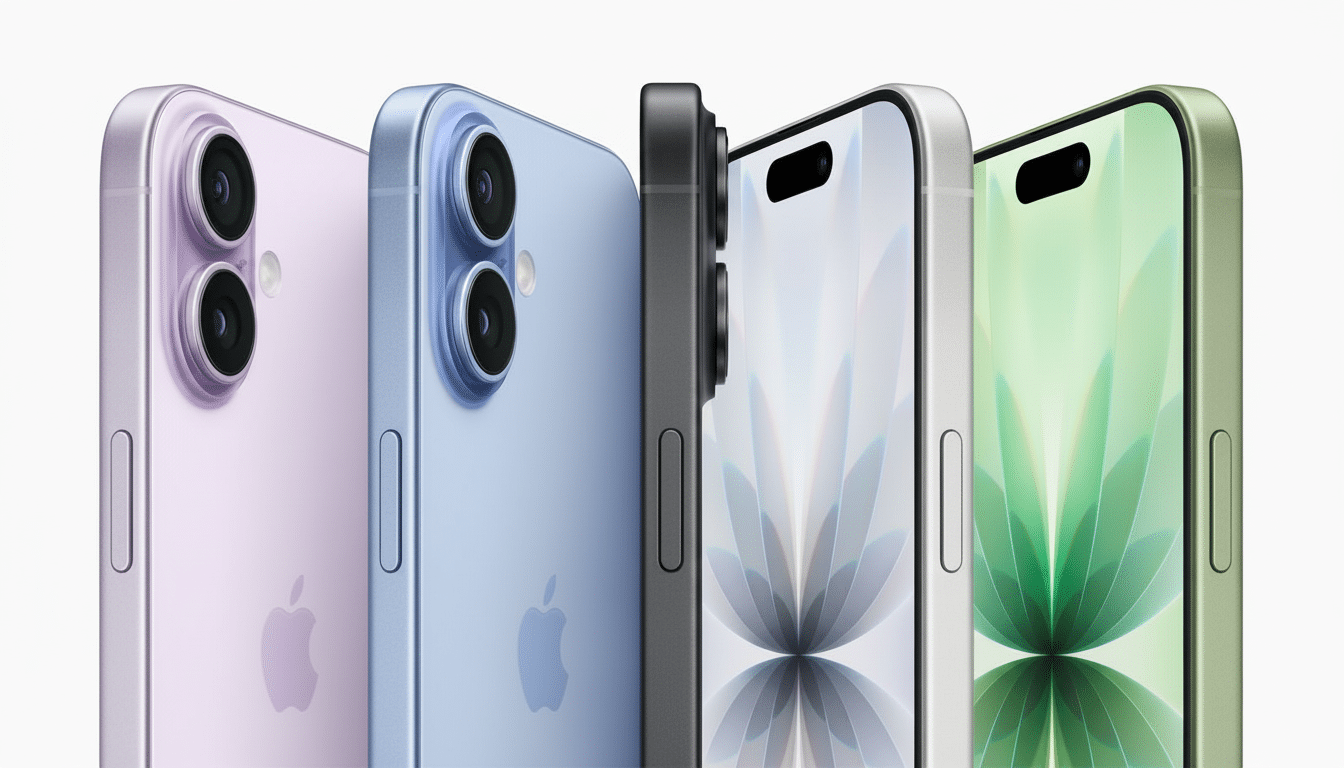
Ultrathin wildcard has trade-offs
The latest, ultrathin iteration this cycle is the most alluring wrinkle: lighter, slimmer and simply stunning. But thinness isn’t free. Space limitations may mean smaller batteries or reduced camera arrays, while first-generation form factors might raise questions of durability or repairability. IFixit has warned for years that pursuing thin designs can make gadgets harder to fix and more fragile. I prefer durability and adaptability over slimming a few millimeters here or there.
If that’s the design you’re drawn to, it might be the best iPhone for you. It’s not worth the compromises in my everyday carry.
It’s not only money: sustainability and value
There’s also the environmental ledger. Apple’s own Product Environmental Reports indicate that most of a phone’s lifetime carbon footprint occurs before you ever turn it on, in materials extraction and manufacturing. A device that lasts for an extra year or two also meaningfully reduces that impact. The Global E-waste Monitor, supported by international agencies, regularly trumpets the tens of millions of tons of electronics dumped each year. Fewer upgrades help.
For now, the cons are only a minor chorus — and for good reason.
Economically speaking, iPhones hang onto their value better than nearly all rivals, according to resale trackers like SellCell and industry analysts like CIRP. That’s all good for eventual trade-ins, but it adds weight to the argument that a upgrade be left until such time as someone solves a genuine problem rather than just scratching an itch.
When I will upgrade
I’m not anti-upgrade. I’m anti-upgrading without a convincing, lived benefit. I’ll buy when a battery life dies enough that an upgrade no longer seems foolish, when the best camera around fundamentally changes what I do for work or pleasure, when new modem or networking tech eliminates at least one coverage or speed problem I have had in the last year (if not all of them), and/or on-device AI adds up to an hour per day back to my time budget.
Until then, I’ll be using my current iPhone with up-to-date software and a new battery if necessary, along with the perspective of what I’m truly losing in comparison to what I will gain. The iPhone 17 looks excellent. It’s just not imperative to me — and that is the best case for skipping it this year.
