


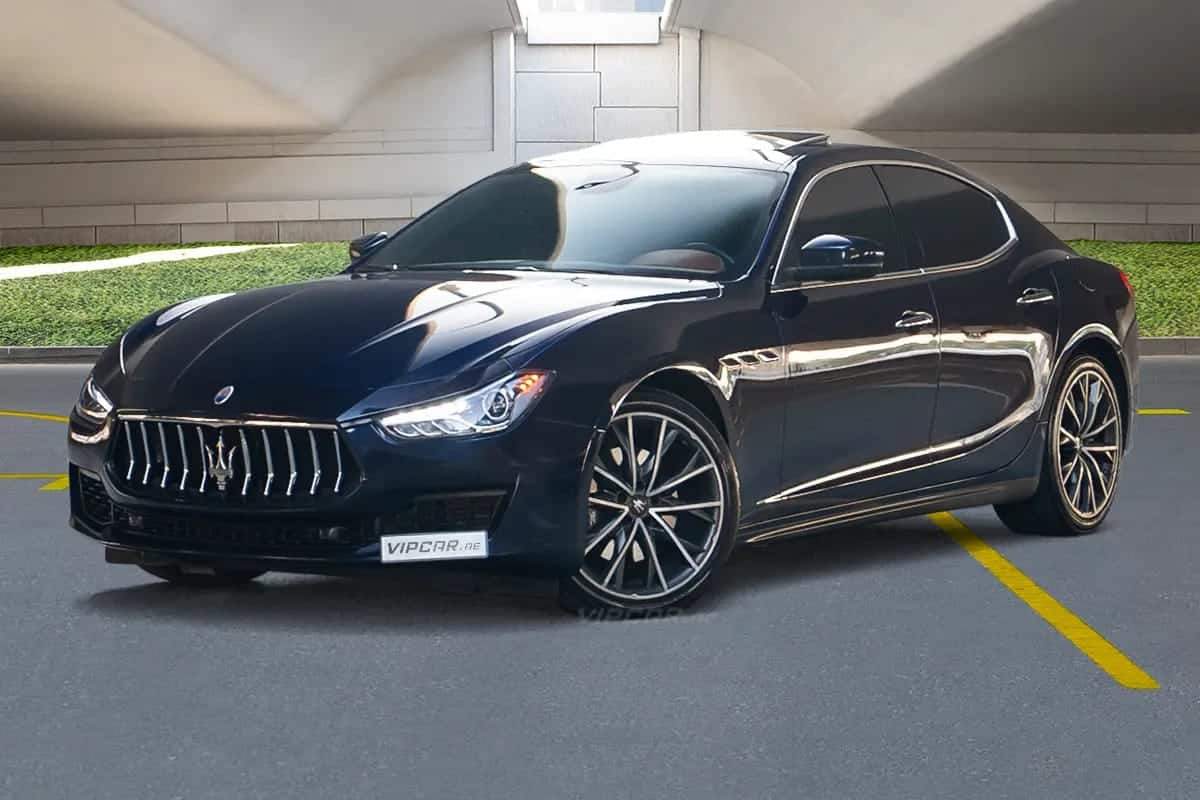
When you picture Dubai, chances are the first images that come to mind are its glittering skyline, endless shopping malls, or beaches stretching into the horizon. But nothing embodies the city’s energy quite like the low growl of a Ferrari, the flash of a Lamborghini, or the thrill of a Maserati rental in Dubai on Sheikh Zayed Road. To most, it looks like pure indulgence. In reality, those cars are the face of a surprisingly powerful industry.
Luxury rentals in Dubai aren’t just toys for adrenaline junkies. They’ve grown into a business that fuels tourism, feeds social media, elevates major events, and cements the city’s global image.
Tourism: The Real Engine
Dubai welcomed more than 17 million visitors in 2023, and while they came for the beaches and malls, many left with a different highlight: the memory of driving a supercar.
Sliding into a McLaren or Rolls-Royce isn’t just about horsepower. For tourists, it’s the chance to step into Dubai’s glamorous lifestyle, even if only for a weekend. The photos, the thrill, the “I drove this in Dubai” story—it’s an experience that sticks. That demand keeps the cars moving and the rental desks busy year-round.
Hotels and malls may take their share of spending, but nothing captures indulgence quite like sitting behind the wheel of a car you’ve only ever seen in movies.
The Social Media Effect
Scroll through Instagram or TikTok and it’s hard to miss: sleek cars against desert highways, neon skylines, or the Burj Khalifa towering in the background. A short clip of someone stepping out of a bright-orange Lamborghini instantly sends one message—status.
For rental companies, this kind of exposure is gold. Every video doubles as advertising, and influencers push it further by partnering with businesses. Discounts, free rides, or full campaigns often turn into viral moments that spread Dubai’s image worldwide.
Put simply, the city’s streets have become rolling billboards—not just for the rental companies, but for Dubai itself.
Events and Corporate Glamour
Dubai has built a reputation on spectacle, and luxury cars are part of the performance. Film festivals, sports events, high-profile conferences—there’s almost always a supercar in the mix.
From celebrities arriving at galas in a Rolls-Royce to companies chauffeuring executives in Bentleys, these cars aren’t background props; they’re woven into the fabric of the city’s event culture. Weddings, product launches, and private parties only add to the demand, making luxury car rentals in Dubai an essential piece of the city’s glamorous stagecraft. It’s another way the rental industry keeps itself firmly tied to Dubai’s status as a global stage.
The Elite Crowd
While tourists keep the cars circulating, the wealthiest clients sustain the market long-term. Celebrities, athletes, and business moguls don’t just rent cars—they expect an experience.
Sometimes that means chauffeur-driven rides, sometimes concierge-style service, and often access to cars so rare they’re nearly impossible to find elsewhere. In some cases, rentals stretch for weeks or months, turning into six-figure contracts. This kind of clientele is what firmly places Dubai at the centre of luxury car culture.
Ripple Effect on the Economy
The money doesn’t stop with the rental agencies. High-performance cars require constant attention from skilled mechanics, detailers, and technicians, creating jobs and fueling an entire service ecosystem. Specialised insurance brokers, drivers, and even custom wrap and paint shops benefit from the demand.
And then there’s the spillover. The people renting these cars are usually the same ones booking penthouse suites, dining at Michelin-starred restaurants, and filling VIP lounges. A single rental often sparks a trail of luxury spending that touches nearly every corner of Dubai’s high-end economy.
In this way, the supercar rental market isn’t just a business in itself—it’s a catalyst for other industries, multiplying its impact far beyond the initial transaction.
Challenges and What’s Next
Of course, running this business isn’t without headaches. Exotic cars cost a fortune to maintain, competition among rental agencies is fierce, and client expectations leave little room for error. A Lamborghini isn’t just a car—it’s an investment that needs near-constant care. Add in the risks of reckless drivers and high insurance premiums, and it’s easy to see why not every company thrives.
Yet the future looks promising. Younger travellers, especially Gen Z, increasingly value experiences over possessions, and few experiences top driving a supercar through Dubai. The rise of electric hypercars, such as the Rimac Nevera, opens new possibilities for environmentally conscious luxury. Meanwhile, collaborations with luxury hotels, fashion houses, and even tech brands are adding creative twists to the business.
In short, the industry is adapting quickly, and Dubai continues to provide the perfect stage for reinvention.
Conclusion
On the surface, Dubai’s luxury rentals might look like a tourist splurge. But in reality, they’re an economic engine—fueling tourism, driving global attention, supporting jobs, and strengthening Dubai’s identity as the world’s luxury capital.
So the next time a Lamborghini roars past the Burj Khalifa, you’ll know it’s not just for show. It’s part of a much bigger story.
And here’s a thought: if you landed in Dubai tomorrow, would you take the keys—or leave the dream to someone else?
