


Shipping a car across state lines sounds simple until you start comparing quotes, timelines, and pickup details. If you’re moving for school, buying a vehicle online, or sending a car to family, small decisions can affect cost, delivery speed, and peace of mind.
If your route touches North Carolina, local logistics matter more than most people expect. Charlotte, for example, sits near major interstates that often shape transport schedules, carrier availability, and pricing windows in the Southeast.
Understand How Auto Transport Actually Works
When you ship a car, you’re usually working with either a carrier or a broker. A carrier owns the truck that moves your vehicle. A broker coordinates the shipment by matching your job with an available carrier. Neither option is automatically better; it depends on your budget, route, and how much communication you want.
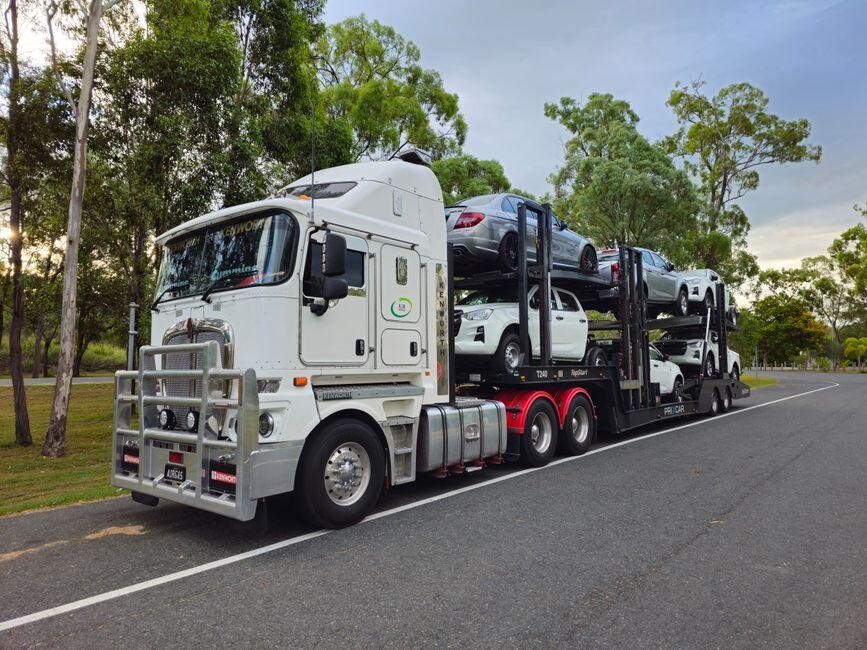
Most vehicles travel on open carriers, the large multi-car trailers you’ve probably seen on highways. Enclosed carriers cost more but offer extra protection for classic, luxury, or specialty vehicles. That’s helpful if your car is more “collector pride” than everyday commuter.
Pickup and delivery can be door-to-door, though in reality that often means the nearest safe street or parking area. Large transport trucks can’t always squeeze into apartment lots, gated communities, or tight suburban roads without causing a small geometry crisis.
Prepare Your Vehicle the Right Way
A little prep makes transport smoother and protects you if there’s a dispute later. Start by washing your car so you can clearly photograph any existing scratches, dents, or chipped paint. Dirt hides flaws, and hidden flaws become arguments.
Take clear photos from multiple angles, including close-ups of any damage. Remove personal items, toll passes, and loose accessories. That includes phone mounts, charging cables, and the mysterious water bottle that has lived in your cupholder since spring.
Leave about a quarter tank of gas. The car needs enough fuel to load and unload, but a full tank adds unnecessary weight. Check for leaks, make sure the battery works, and confirm tire pressure is normal.
If you’re wondering what the pickup process should look like, Geyers Towing outlines a 4-step transport process that reflects the kind of structure you want to see when evaluating professional vehicle shipping services.
Know What Affects the Price of Shipping
Car shipping prices aren’t random, even if some quotes feel like they were pulled from a hat. Several factors influence what you’ll pay, and understanding them helps you compare offers without getting distracted by a suspiciously low number.
Key pricing factors include:
- Distance and route popularity
- Vehicle size and weight
- Open versus enclosed transport
- Seasonal demand
- Pickup urgency
- Vehicle condition
A standard sedan on a busy route often costs less to ship than a non-running SUV headed to a rural area. Summer moves and snowbird seasons usually push rates higher because demand spikes. If your car doesn’t run, loading requires extra equipment, which adds labor and cost.
Always ask whether the quote is binding, estimated, or subject to change based on carrier availability. That one detail can save you from budget whiplash later.
Check the Company’s Credentials Before Booking
Before you hand over your keys, verify that the company is properly registered and insured. In the United States, interstate auto transport companies should have a USDOT number and usually an MC number if they operate as brokers or carriers. You can look these up through the Federal Motor Carrier Safety Administration.
Insurance matters just as much as registration. Ask what the carrier’s cargo insurance covers, what deductibles apply, and whether personal items inside the car are protected. In many cases, they aren’t.
It also helps to read recent customer reviews with some healthy skepticism. One angry review doesn’t tell the whole story, and neither do twenty suspiciously glowing ones written like corporate poetry. Look for patterns involving delays, communication, billing changes, or damage handling.
If a company avoids direct answers, treats paperwork casually, or pressures you to book fast, take that as useful information.
Pay Attention to Timing and Delivery Windows
Auto transport rarely works like overnight package shipping. Pickup and delivery windows matter more than exact dates because traffic, weather, equipment issues, and route changes can shift schedules. A company promising absolute precision on a long interstate route may be selling optimism more than reality.
Busy corridors usually move faster because carriers already travel those lanes. Rural pickups may take longer since fewer trucks service them. If you need your car by a hard deadline, such as the start of college classes or a job relocation, build in extra time.
Ask these questions before booking:
- What is the estimated pickup window?
- What is the estimated delivery window?
- How are delays communicated?
- Is expedited shipping available?
- Are weekend pickups or drop-offs possible?
Good scheduling expectations reduce stress. Great scheduling expectations prevent you from standing in an empty parking lot checking your phone every six minutes.
Watch for Common Red Flags in Quotes and Contracts
A polished website and a low quote don’t guarantee a smooth shipment. Some of the biggest problems show up in the fine print or in the way a company explains its pricing. If the quote looks dramatically lower than competitors, ask what’s missing before you celebrate.
Common red flags include vague cancellation terms, large upfront deposits, no written insurance details, and pricing language that leaves room for major increases after booking. You should also watch for companies that refuse to explain whether they are a broker or a carrier.
Read the transport agreement carefully. Look for terms related to payment timing, claims procedures, rescheduling, and liability for delays. If damage occurs, the bill of lading becomes one of your most important documents, so understand how it works before pickup day.
Clear contracts aren’t exciting, but neither is arguing about fees while your car is somewhere between two states and three customer service departments.
Choose the Best Option for Your Situation
The best car shipping choice depends on what you’re moving, where it’s going, and how flexible your schedule is. If you’re transporting a daily driver on a common route, open transport is usually the practical pick. If the vehicle has high value or sentimental importance, enclosed shipping may be worth the extra cost.
For students, military families, and people relocating for work, convenience often matters as much as price. A slightly higher quote from a well-organized company can save time, prevent confusion, and reduce risk. That tradeoff often becomes obvious only after something goes wrong.
Focus on a few basics: verified credentials, realistic timing, documented insurance, and communication that feels direct instead of slippery. Car shipping doesn’t need to be complicated, but it does require attention to detail.
When you know what questions to ask, you’re far more likely to end up with a straightforward move instead of a roadside lesson in contract language.

