


VIN matching is often treated like a safety net. Plug the number in, confirm compatibility, and move on. For factory ordering, that works most of the time. On third-party listings, especially marketplaces and reseller sites, VIN matching only solves the most obvious problems. It does not protect you from the ones that cost time, money, or both.
A VIN can tell you what the car was when it left the factory. It cannot tell you what has happened to it since, or how accurately a seller understands the part they are offering.
- VIN Confirms Platform, Not Configuration Drift
- Mid-Year Changes Slip Through Cleanly
- Trim Packages Blur The Lines
- Aftermarket Overlap Creates False Confidence
- Condition And Revision Are Invisible To VIN Checks
- Seller Interpretation Is The Weakest Link
- Wiring And Electronics Are Where Mistakes Hurt Most
- International And Cross-Market Parts Add Risk
- Why Enthusiasts Double-Check Everything
- VIN Matching Solves The Wrong Problem First
- Use VIN As A Filter, Not A Verdict
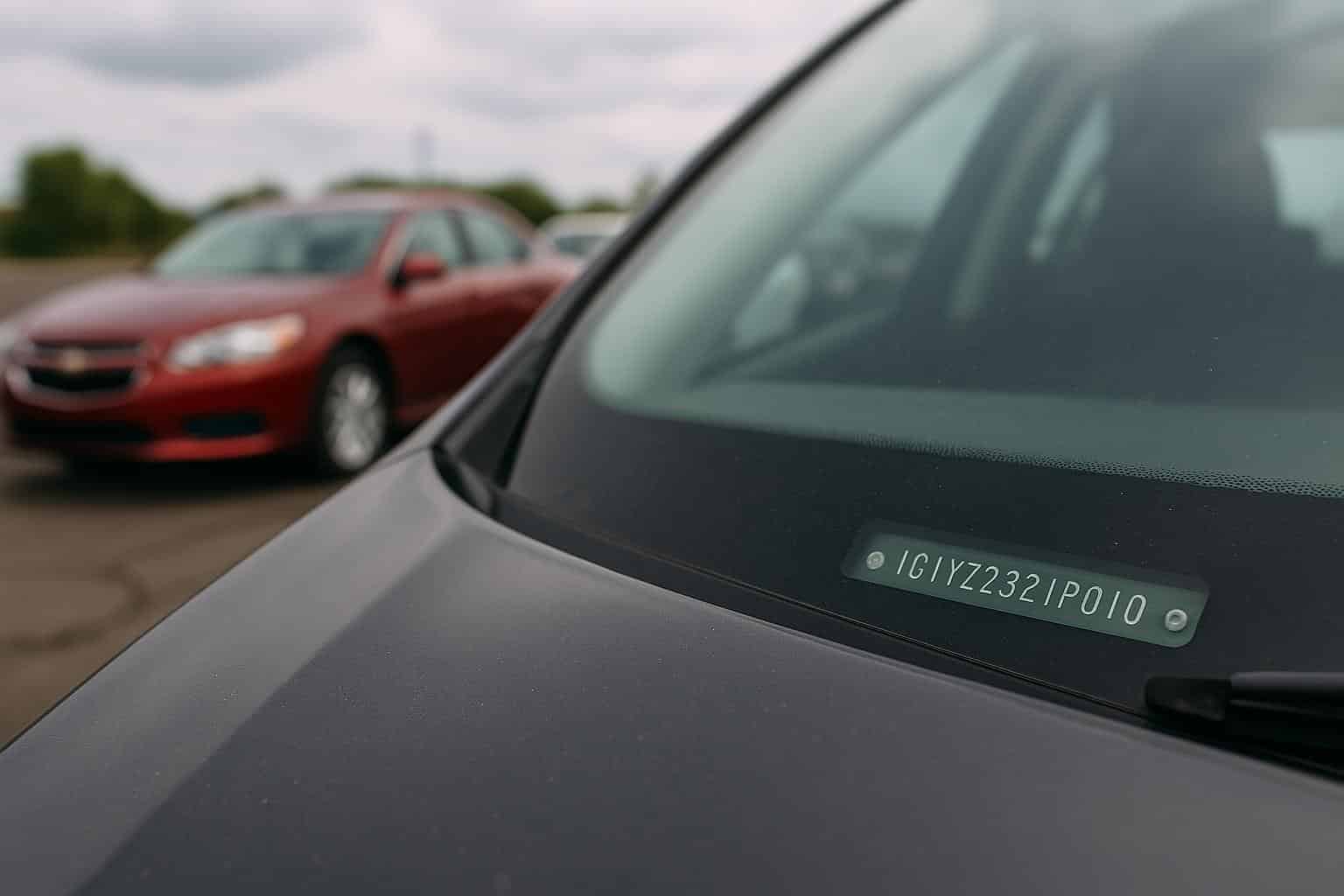
VIN Confirms Platform, Not Configuration Drift
VIN matching is excellent at confirming generation, engine family, and original drivetrain. It stops you from buying C6 parts for a C7. That is the easy part.
What it does not catch is configuration drift. Over time, cars change. Suspension gets upgraded. Brakes get swapped. Cooling systems get revised. Owners modify, dealers retrofit, and shops mix components based on availability. The VIN stays the same while the car quietly becomes something else.
Mid-Year Changes Slip Through Cleanly
Manufacturers make running changes. Sensors get revised. Mounting points shift slightly. Hardware suppliers change. These updates often happen mid-year without obvious external indicators.
VIN matching usually points you to a range, not a specific production window. That is where fitment problems start. A part listed as correct for a model year may technically match the VIN but still be wrong for an early or late build.
Trim Packages Blur The Lines
Trim packages complicate everything. Performance packages, appearance packages, and dealer-installed options all alter part compatibility.
VIN systems often recognize the base trim but miss layered options. A cooling duct, wiring harness, or undertray might differ based on a package that never shows up clearly in a third-party listing. Sellers often list parts by “model” without understanding those distinctions.
Aftermarket Overlap Creates False Confidence
Many third-party sellers lean on VIN compatibility as proof of correctness even when selling aftermarket parts. The logic is flawed.
Aftermarket components are designed around common fitment, not factory exactness. A VIN may confirm the car, but it does not confirm the tolerances, materials, or intended use of the part. A listing can say “fits your vehicle” and still introduce clearance issues, noise, or premature wear.
Condition And Revision Are Invisible To VIN Checks
VIN matching says nothing about condition. It does not tell you whether a part is from an early revision known for failure or a later improved version.
Used and refurbished parts are especially risky here. A control module or mechanical component may technically match the VIN but carry known issues tied to a specific production run. Sellers rarely disclose revision numbers because many do not know them.
Seller Interpretation Is The Weakest Link
Third-party listings rely heavily on how well the seller understands the part. Many do not.
Parts get mislabeled. Photos get reused. Descriptions get copied across listings. A seller may match a VIN to a general category and assume compatibility without verifying specifics. The system works only as well as the person using it, and that is where it breaks down.
Wiring And Electronics Are Where Mistakes Hurt Most
Electronic components expose VIN matching limits fast. Harness connectors, pin layouts, and software compatibility can change within the same model year.
A VIN might confirm the module family, but not the exact revision your car needs. Installations fail silently. Warning lights appear. Systems half-work. The part “fits,” but the car does not behave correctly.
International And Cross-Market Parts Add Risk
Parts sourced from different markets often share VIN-level compatibility but differ in regulation-driven details. Cooling, emissions, and safety components are common examples.
A listing may show a correct fit based on VIN but overlook market-specific variations. That mistake usually surfaces after installation, not before.
Why Enthusiasts Double-Check Everything
Experienced buyers use VIN matching as a starting point, not a decision. They cross-reference part numbers, production dates, and known revisions. They read forums. They look for install notes buried in comment sections.
This matters when buying performance or restoration-critical items through Corvette parts online listings, where sellers range from specialists to liquidators moving inventory they barely understand.
VIN Matching Solves The Wrong Problem First
VIN matching answers the question “Could this part fit?” It does not answer “Is this the right part for my car as it exists today?”
That gap is where most frustration lives. Returns get complicated. Install time gets wasted. Confidence drops in both the seller and the platform.
Use VIN As A Filter, Not A Verdict
VIN matching is useful, but limited. It narrows the field. It does not replace verification.
Third-party listings require extra scrutiny because they lack the context factory systems assume. The safest buyers treat VIN compatibility as permission to keep researching, not permission to buy.
The difference between a smooth install and a long headache is usually not whether the VIN matched. It is whether someone asked the questions the VIN never could.
