


Waymo is quietly enlisting DoorDash drivers to perform an unexpectedly low-tech task for a high-tech service: closing the doors of stalled self-driving cars. In a pilot program running in Atlanta, Dashers are being pinged to swing by nearby Waymo vehicles that can’t depart because a door was left ajar, restore the latch, and free the robotaxi to resume service.
The companies confirmed the pilot and framed it as a pragmatic way to boost fleet efficiency. For an autonomous service operating across six cities, an immobilized vehicle means lost rides, unhappy riders, and potential traffic blockages. Paying a local gig worker a small fee to close a door is faster and cheaper than dispatching a specialized crew—and it keeps the fleet’s utilization metrics from slipping.
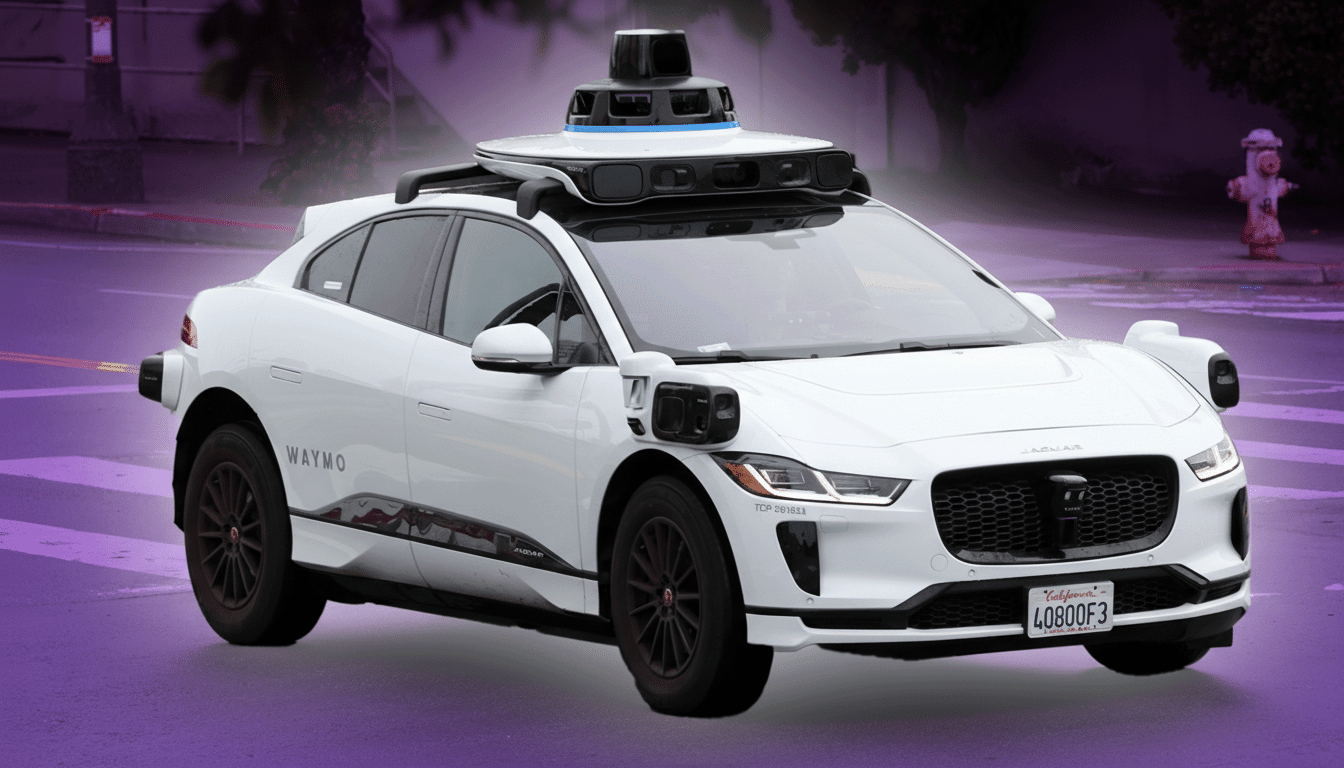
Why Gig Workers Are Closing Robotaxi Doors
AVs treat an unlatched door as a critical safety fault. If any door is not fully secured, the system won’t move an inch—by design. Remote assistance teams can offer guidance, but they can’t physically shut a door from afar. That creates a tiny but consequential gap where human help still matters.
DoorDash provides a hyperlocal labor network already optimized for rapid, short-distance tasks. By tapping nearby Dashers, Waymo turns a potential 30- to 60-minute downtime into a quick fix that takes minutes. Every minute saved protects asset productivity, rider satisfaction, and overall network throughput.
Inside The Atlanta Pilot Program Using Dashers For Door Fixes
Drivers have reported receiving app offers around $6.25 to travel less than a mile to a Waymo vehicle and close its door, with an additional completion bonus bringing the total to roughly $11.25. The companies say such incidents are rare, but when they do occur, the platform alerts eligible Dashers nearby to resolve the snag and get the robotaxi rolling again.
This door-closing arrangement sits alongside a broader Waymo–DoorDash relationship that also includes autonomous deliveries in Phoenix, where Waymo vehicles transport food and groceries to customers. Put simply, the same logistics muscle that gets takeout to your doorstep can also nudge an AV back into service when a rider forgets to shut the door.
Beyond Atlanta, Other Quick-Fix Partners
Atlanta isn’t the only market where Waymo has sought on-demand help. In Los Angeles, the company has worked with Honk, a platform best known for connecting drivers with towing and roadside assistance. Users there have reported offers as high as $24 for the same task—significantly more than what Dashers have seen in Atlanta—illustrating how pricing can flex by market conditions and response-time needs.
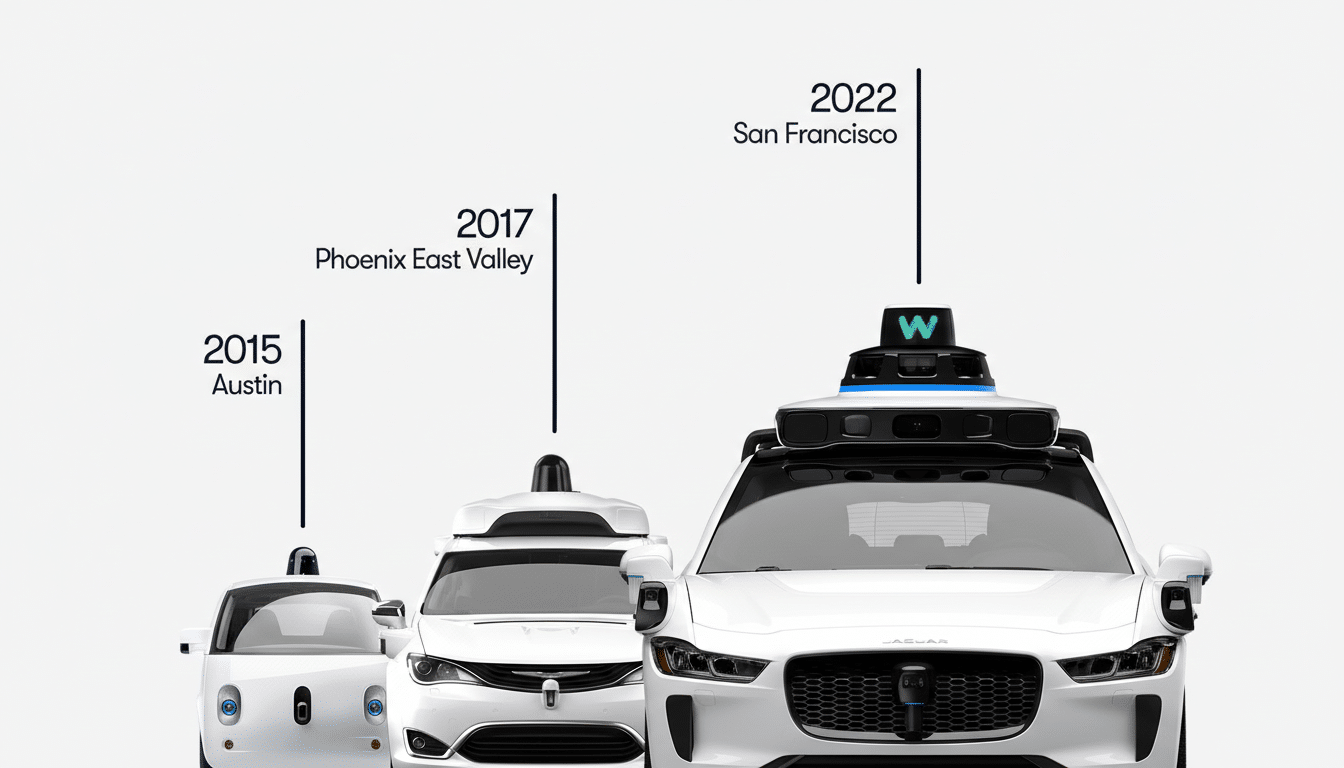
The logic is straightforward. A stationary robotaxi generates no revenue and can disrupt traffic or block curb space, drawing scrutiny from city agencies and the public. A small payout for a nearby helper can be the fastest way to clear the lane and preserve goodwill.
A Temporary Fix Until Hardware Catches Up
Waymo says future vehicles will include automated door-closure capabilities, eliminating the need for ad hoc assists when riders forget to pull a door tight. Until then, the company is leaning on a playbook common across the AV sector: human-in-the-loop support for edge cases that are rare but operationally expensive if left unresolved.
Regulators and industry groups have long acknowledged that remote assistance and occasional human intervention are part of safely scaling automated driving systems. The Atlanta pilot underscores that reality: highly autonomous vehicles can still hinge on a simple human touch to keep fleets fluid.
What It Signals For Robotaxi Economics And Operations
Behind the door anecdote is a broader business story. Waymo has secured substantial capital—reportedly $16 billion—to expand internationally and deepen service in the U.S. With that scale comes intense pressure to maximize uptime, smooth curb operations, and maintain reliable response times. Micro-interventions like door closures can have an outsized impact on utilization and customer experience.
There’s also a reputational angle. Swiftly resolving a stuck vehicle prevents social-media fodder and neighborhood frustration. For cities evaluating robotaxis as part of their mobility mix, seamless operations—and quick recoveries when things go sideways—matter as much as the underlying AI.
In the long run, better hardware and software will retire the need for this workaround. For now, though, a modern robotaxi network still benefits from an old-fashioned solution: a nearby human, paid a few dollars, closing the loop—literally—so autonomy can keep moving.
